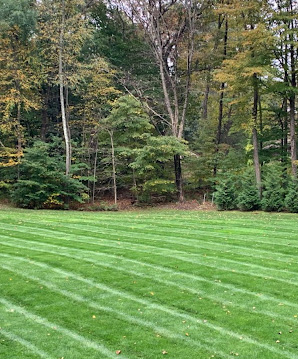
Spring is one of the busiest seasons for lawn renovation in New Jersey. After months of winter dormancy, thin grass, plow damage, construction traffic, drainage issues, and bare soil become much easier to see. For homeowners, builders, contractors, HOAs, and commercial property managers, spring sod installation in New Jersey can be a practical way to establish a usable lawn faster than seed while the weather is still friendly to cool-season turf.
The key is timing and preparation. Spring weather in New Jersey can shift quickly from chilly, wet mornings to warm afternoons, and new sod needs good soil contact, consistent moisture, and a realistic first-month care plan. This guide explains when spring sod makes sense, how to prepare your yard or job site, and what to do after installation so the lawn has the best chance to root before summer heat arrives.
Is Spring a Good Time to Install Sod in New Jersey?
Yes. Spring can be an excellent sod installation window in New Jersey, especially for cool-season lawns that benefit from moderate temperatures and natural rainfall. The best spring conditions are usually after the ground has thawed, drainage has improved, and the soil can be graded without turning into mud. In many New Jersey communities, that means planning projects from early to mid-spring through late spring, depending on the property and the season.
Spring is especially useful when a lawn needs to be ready before graduation parties, home listings, tenant move-ins, municipal inspections, or the start of heavier summer property use. It also works well for newly built homes where the final grade is complete and the owner wants a finished yard quickly. If you are still comparing seasons, New Jersey Sod Company’s guide to the best time to lay sod in New Jersey explains how spring and fall differ.
When Spring Sod Should Wait
Spring sod should not be rushed onto a site that is too wet, compacted, uneven, or still under active construction. If footprints sink deeply into the soil, if water is standing in low spots, or if contractors still need heavy access across the lawn area, installation may be better delayed until the site is ready. Sod is a living product, and it performs best when it can be installed promptly on properly prepared soil.
It is also worth looking at irrigation access before installation day. New sod does not need guesswork; it needs a dependable watering plan from day one. A large residential yard, townhouse common area, retail frontage, or athletic-adjacent lawn may require hoses, sprinklers, timers, or coordination with property staff. If watering cannot be managed during the first few weeks, it may be smart to solve that problem before scheduling delivery and installation.
Soil Preparation Comes Before the Sod Truck
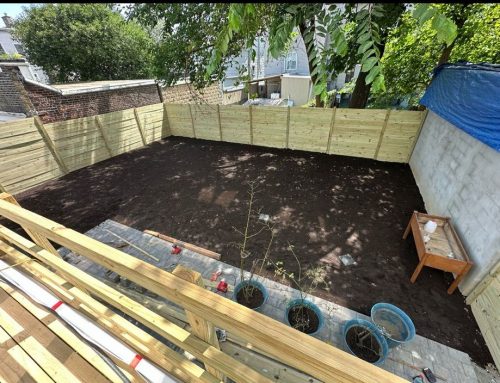
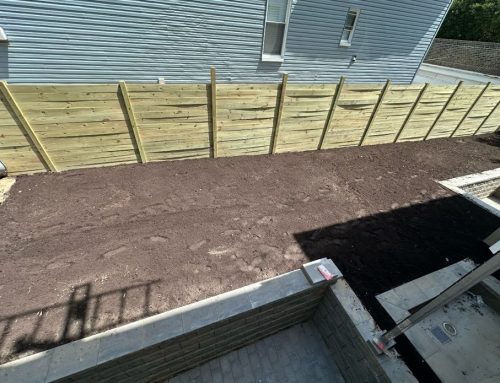
Many spring lawn problems are really soil problems. In New Jersey, winter freeze-thaw cycles, snow piles, road salt near curbs, construction debris, and compacted fill can all affect how well sod roots. Before installation, the lawn area should be cleared of old turf, stones, roots, and debris. The soil should be loosened where practical, graded for positive drainage, and smoothed so the sod can make firm contact without air pockets.
Good grading matters because sod will follow the surface underneath it. If the base has dips, ridges, or low areas near walkways, the finished lawn can look uneven and may collect water. For new construction properties, soil preparation is especially important because the visible surface may hide compacted subsoil or leftover construction material. For a deeper checklist, see New Jersey sod installation services and the site’s broader sod care and maintenance guide.
Spring Delivery and Installation Logistics
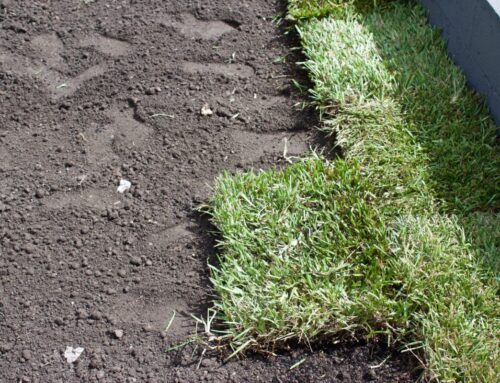
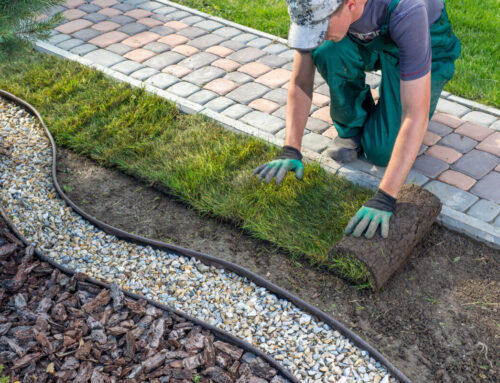
Fresh sod should be installed as quickly as practical after delivery. That is why access and staging are important. Before delivery, think through where pallets can be placed, whether the driveway or curb area can handle staging, and how installers will move sod to the back yard, side yard, courtyard, or commercial lawn area. Narrow driveways, fences, parked vehicles, tight townhome layouts, and busy streets can all affect the plan.
For larger properties, contractors and property managers should coordinate installation areas in phases so sod is not sitting too long before it is laid. If you need material brought to a job site, New Jersey Sod Company’s sod delivery in New Jersey page explains how delivery fits into residential and commercial projects. Pairing delivery with installation planning helps keep the project moving and reduces stress on the sod.
How Much Sod Should You Order for a Spring Project?
Ordering too little sod can delay a project. Ordering too much can create waste. The best starting point is a careful measurement of the install area, broken into simple rectangles, triangles, or sections. Add reasonable allowance for cuts around beds, curves, walkways, patios, trees, and irregular edges. This is especially important in older New Jersey yards where property lines, hardscapes, and planting beds may not be square.
If you are still measuring, use the New Jersey sod calculator and buying guide to estimate square footage before scheduling. For builders, landscapers, and property managers, confirming measurements early also helps with delivery timing, staging space, and crew planning.
First-Month Watering After Spring Sod Installation
Spring weather can make watering easier, but rain should not be your only plan. New sod needs consistent moisture while roots begin knitting into the soil. The goal during the early period is to keep the sod and upper soil from drying out, without creating puddles or runoff. Sunny slopes, curb strips, windy corners, and exposed commercial frontages can dry faster than shaded or protected areas.
As rooting improves, watering can usually shift from frequent light watering toward deeper, less frequent irrigation. The exact schedule depends on temperature, sun exposure, soil, rainfall, and drainage. Avoid heavy traffic while the sod is rooting, and be careful with mowing until the lawn is established enough to tolerate it. For a detailed timeline, review the New Jersey sod care and maintenance guide.
Residential and Commercial Spring Sod Projects
For homeowners, spring sod can transform a muddy or patchy yard before outdoor living season. It is a common fit for front yards, backyards, play areas, pool-adjacent lawns, curb appeal projects, and properties being prepared for sale. Learn more about residential sod services in New Jersey if your goal is a finished lawn around the home.
For commercial properties, spring sod can help restore winter-damaged entrances, apartment and condo grounds, retail edges, office campuses, municipal areas, and contractor-managed sites. These projects often need more coordination around access, public visibility, irrigation responsibility, and timing. New Jersey Sod Company also supports commercial sod services in New Jersey for property managers, contractors, and organizations that need a cleaner lawn quickly.
Spring Sod Installation Checklist
- Confirm the lawn area is no longer frozen, saturated, or muddy.
- Remove old grass, weeds, rocks, roots, and construction debris.
- Grade the soil so water moves away from structures and low spots are corrected.
- Measure the area carefully and account for curves, cuts, and waste.
- Plan delivery access, pallet staging, and installation sequence.
- Set up hoses, sprinklers, timers, or property-staff watering responsibilities before installation.
- Limit foot traffic while the sod begins rooting.
- Monitor sunny, windy, or sloped areas because they may dry faster.
FAQ: Spring Sod Installation in New Jersey
Can sod be installed in early spring in New Jersey?
Often, yes, as long as the ground has thawed, the soil is workable, and the site is not too wet. The right timing depends on the property, drainage, and current weather conditions.
Is spring or fall better for sod in New Jersey?
Both can work well. Fall often provides cooler temperatures and less summer stress, while spring is useful when the lawn needs to be ready before peak outdoor season. Site readiness and watering are more important than the calendar alone.
How soon can I walk on new spring sod?
Keep traffic light while the sod roots into the soil. Occasional access for watering may be necessary, but regular use should wait until the lawn is more firmly established.
Do I still need to water if spring rain is in the forecast?
Yes. Rain can help, but it may not be even or reliable enough for new sod. Check the sod and soil moisture regularly, especially in sunny, windy, or sloped areas.
Can New Jersey Sod Company help with both delivery and installation?
Yes. New Jersey Sod Company provides sod delivery and installation support for New Jersey properties. Call (862) 201-3101 to discuss your project and scheduling needs.
Schedule Spring Sod Help in New Jersey
If you are planning a spring lawn project, start with the site conditions: soil, drainage, measurements, access, and watering. New Jersey Sod Company can help homeowners, contractors, and property managers plan sod delivery and installation for a cleaner, faster lawn transformation. Call (862) 201-3101 or visit the New Jersey sod installation page to get started.