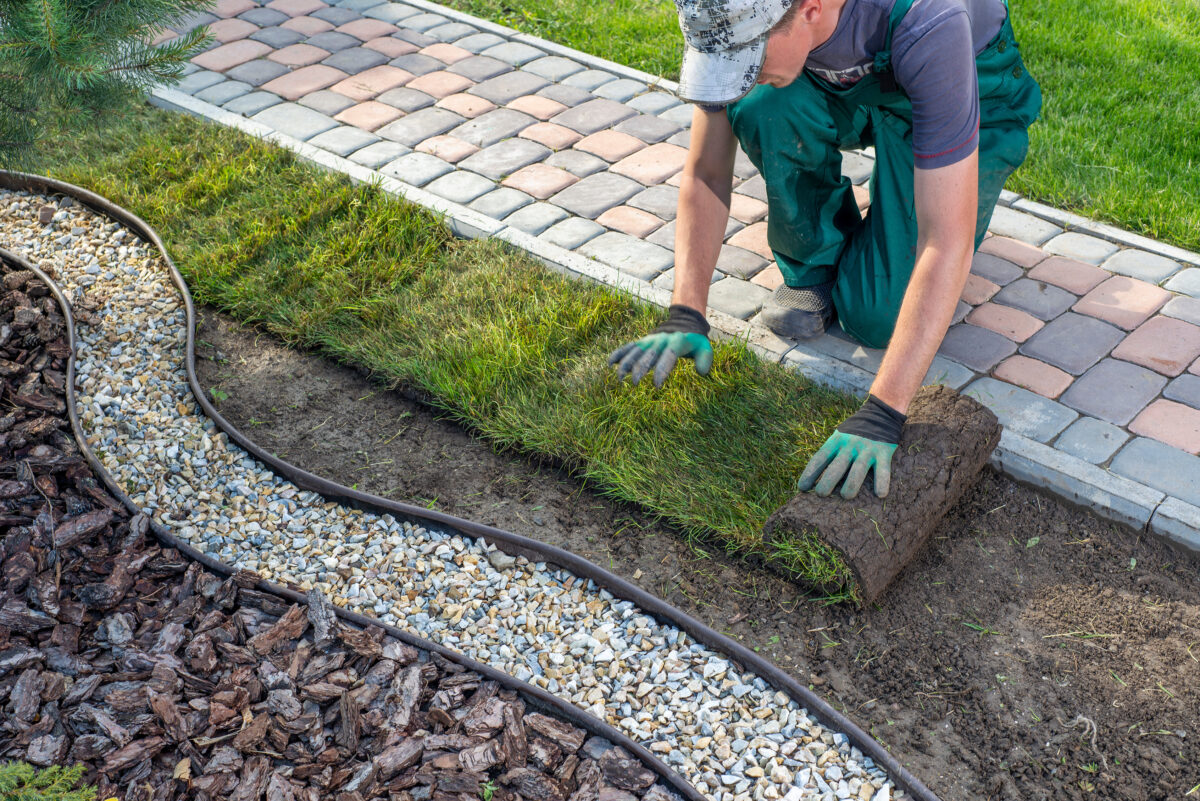
Burlington County covers a wide mix of New Jersey lawn conditions: established suburban yards in Mount Laurel and Moorestown, larger properties around Medford and Southampton, tighter in-town lots near Burlington and Bordentown, and sandy or wooded areas closer to the Pine Barrens. That variety is exactly why a one-size-fits-all sod page from an out-of-state company is not enough. A successful Burlington County sod project depends on New Jersey timing, soil preparation, delivery planning, and the first few weeks of watering.
If you are replacing a thin lawn, finishing a new construction yard, repairing a jobsite, or preparing a commercial property, New Jersey Sod Company can help you plan the right next step for local conditions. Start with our guides to sod installation in New Jersey and sod delivery in New Jersey, then use the Burlington County notes below to avoid common mistakes.
Why Burlington County Sod Projects Need Local Planning
Burlington County sits between dense South Jersey suburbs, rural properties, and coastal-influenced sandy soils. That means sod planning can change from one town to the next. A yard in Mount Laurel may need compacted-soil correction after construction traffic. A Medford property may have shade, roots, and irrigation coverage issues. A Bordentown or Burlington City project may need tighter delivery staging because of narrower access.
Local planning matters because fresh sod is perishable. It should be installed quickly onto prepared soil, then watered consistently. Generic multi-state delivery pages often talk about sod like a product that simply shows up on a truck. In real New Jersey conditions, the timing of the delivery, the readiness of the soil, and the homeowner or contractor’s watering plan all affect whether the lawn roots well.
Best Timing for Sod Installation in Burlington County
For most Burlington County lawns, spring and fall are the most forgiving windows. Cooler temperatures help sod root without the same heat stress that can hit South Jersey lawns in midsummer. Fall can be especially strong because the soil is still warm, air temperatures are milder, and new turf has time to establish before winter dormancy.
Summer installation can still work when the site is ready and watering is reliable, but it leaves less margin for error. If you are working around a closing date, builder schedule, HOA deadline, or commercial opening, plan the watering logistics before the sod arrives. Our page on the best time to lay sod in New Jersey explains the seasonal tradeoffs in more detail.
Soil Prep Before Fresh Sod Arrives
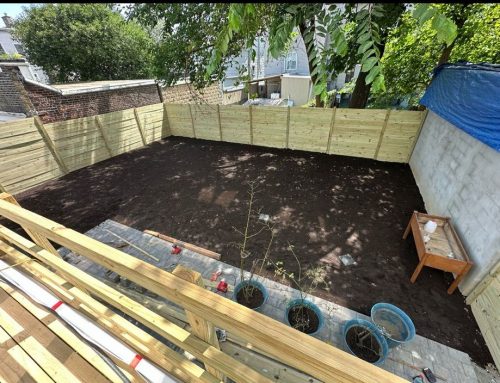
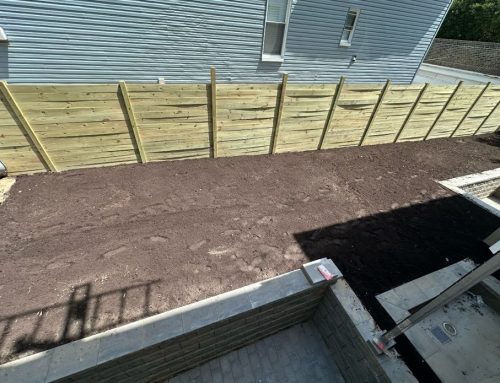
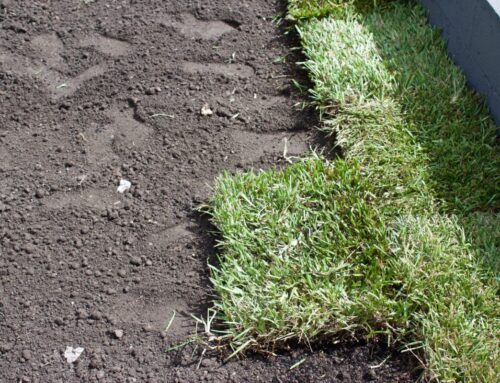
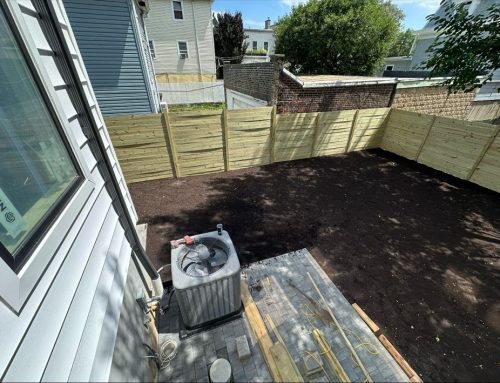
Good sod installation starts below the grass. Burlington County properties can have compacted fill, clay pockets, sandy sections, tree-root competition, or uneven construction-grade soil. Before delivery day, the site should be cleared of debris, old dead turf, large rocks, and grade problems that would leave low spots or drainage issues under the new lawn.
The goal is firm, smooth, workable soil—not fluffy soil that sinks after watering and not hardpan that prevents rooting. For many residential and contractor projects, the prep step is where the final lawn quality is won or lost. Our New Jersey sod installation guide covers the broader process, but Burlington County customers should pay close attention to grading, drainage, and irrigation coverage before the pallets are scheduled.
Delivery Access: Suburban Lots, Larger Properties, and Job Sites
Sod delivery in Burlington County can look very different depending on the property. A homeowner in Moorestown may need careful driveway or curbside staging. A builder in Mount Holly or Bordentown may need delivery coordinated around other trades. A larger property in Medford, Lumberton, or Southampton may need a clear staging area so the sod can be moved efficiently without sitting too long in the sun.
Before ordering, think through:
- Where the sod can be placed safely on delivery day
- Whether trucks have clear access to the staging area
- How quickly the sod can be moved from pallet to prepared soil
- Whether irrigation or hoses are ready before installation starts
- Whether other contractors will block access, create mud, or disturb the grade
This is where a New Jersey-focused sod company is more useful than a broad regional page. Local logistics, timing, and expectations are part of the job—not an afterthought.
Watering After Installation in South Jersey Conditions
Fresh sod needs consistent moisture while roots knit into the soil. In Burlington County, watering demands can change quickly with sun exposure, wind, shade, sandy soil, and summer heat. The first watering should begin soon after installation, and the lawn should not be allowed to dry out while it is establishing.
That does not mean flooding the lawn. Overwatering can create soft soil, runoff, and shallow rooting problems. The better approach is to keep the sod and soil beneath it evenly moist during the early establishment period, then gradually transition toward deeper, less frequent watering as the lawn roots.
If the property has irrigation, check coverage before installation. Dry corners, blocked heads, and uneven spray patterns can show up fast on new sod. For hand-watering, confirm hose reach, sprinkler placement, and who is responsible for watering each day.
Residential, Builder, HOA, and Commercial Use Cases
Burlington County sod projects are not all the same. A homeowner may want a fast lawn replacement before listing a house or hosting an event. A builder may need a clean finish for a new construction property. An HOA or property manager may need common-area turf repaired without dragging the project across multiple weeks. A commercial site may need sod installed around access, parking, and opening schedules.
New Jersey Sod Company supports both residential sod services and commercial sod services in New Jersey. The key is matching the plan to the property: delivery-only, installation support, timing, access, and aftercare expectations should be clear before the order is finalized.
How NJ Sod Beats Generic Out-of-State Pages
Out-of-state and multi-state sod competitors can publish a page for nearly every town, but that does not mean the advice fits Burlington County. Local sod work depends on Northeast cool-season timing, South Jersey soil variation, real delivery access, and practical watering plans after installation.
For Burlington County homeowners, contractors, builders, HOAs, and property managers, the better question is not just “who has a page for my town?” It is “who understands how sod projects actually work in New Jersey?” New Jersey Sod Company is built around that local focus.
FAQ: Burlington County NJ Sod Installation
What is the best season for sod installation in Burlington County NJ?
Spring and fall are usually the most forgiving seasons because temperatures are milder and sod can root with less heat stress. Summer sod can work when watering is reliable and the site is ready before delivery.
Can sod be delivered to tight suburban properties in Burlington County?
Often, yes, but delivery staging should be planned in advance. Driveway access, curb space, street conditions, and jobsite activity can affect where pallets can be placed and how quickly the sod can be installed.
Do Burlington County lawns need special soil prep before sod?
Many do. Compacted soil, construction fill, sandy sections, shade, roots, and grading issues should be addressed before sod arrives. Sod performs best when it is installed over firm, smooth, properly prepared soil.
Is sod installation useful for new construction homes in Burlington County?
Yes. Sod can give new construction homes a finished lawn faster than seed, but builder schedules, final grading, irrigation, and access should be coordinated before delivery day.
How do I start a Burlington County sod project?
Review the New Jersey installation and delivery resources, then contact New Jersey Sod Company with the property location, approximate area, timing, access notes, and whether you need delivery only or installation help.
Ready to Plan a Burlington County Sod Project?
If you are planning sod installation in Burlington County, do not rely on generic regional advice. Get a New Jersey-specific plan for timing, delivery, soil prep, installation, and watering. Contact New Jersey Sod Company to discuss your residential, contractor, HOA, builder, or commercial sod project.