
Atlantic County sod projects need more than a generic New Jersey lawn checklist. A yard in Egg Harbor Township, Galloway, Mays Landing, Hammonton, Linwood, Northfield, Somers Point, Brigantine, or Atlantic City can face different soil, wind, access, and watering challenges from one town to the next. New Jersey Sod Company helps homeowners, builders, landscapers, HOAs, and commercial property managers plan sod installation around those real South Jersey conditions.
If you are comparing a local New Jersey sod company with a broad out-of-state page that simply lists counties, use this guide to ask better questions before ordering. The best sod results usually come from matching the installation window, soil prep, delivery timing, and watering plan to the property instead of treating every Atlantic County lawn the same.
Why Atlantic County sod installation needs local planning
Atlantic County includes shore-area properties, mainland suburbs, wooded neighborhoods, commercial corridors, and inland lots. Near the coast, lawns can face sandy soil, salt air, wind exposure, high foot traffic, and irrigation restrictions or practical watering challenges. Inland properties may have larger yards, mixed soil, construction compaction, drainage issues, or delivery staging questions.
That variety matters because sod is perishable and site contact is everything. Fresh sod should be installed promptly on a prepared base. If the lawn area is uneven, compacted, too dry, full of construction debris, or lacking water access, the finished lawn can struggle even if the sod looks good when it arrives.
For a broader overview of the service, see New Jersey sod installation. For projects that need material staged at the right time, the New Jersey sod delivery page explains the delivery side.
Best timing for sod installation in Atlantic County, NJ
For most cool-season New Jersey lawns, spring and fall are the most forgiving sod installation windows. Cooler weather reduces stress, and the sod can root before the hardest parts of summer or winter. Fall is often especially useful because soil temperatures can still support rooting while air temperatures are easier on new turf.
Spring can work well when the ground is workable and the site is not too wet. Summer projects can also succeed, but the margin for error is smaller. Atlantic County heat, wind, sandy soil, and reflected heat near pavement can dry sod quickly. If a builder, contractor, or homeowner needs a July or August installation, watering access should be ready before the truck arrives.
For seasonal planning, see Best Time to Lay Sod in New Jersey. The right timing decision should consider more than the calendar: site readiness, irrigation, shade, soil, and project urgency all matter.
Soil prep for coastal and South Jersey lawns
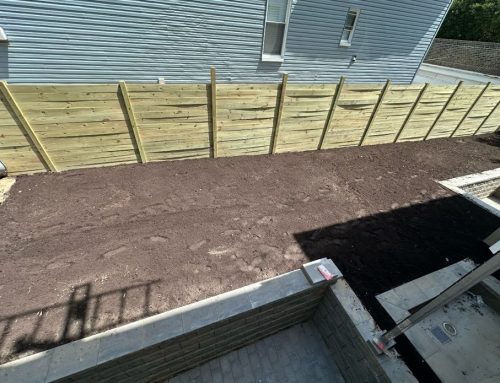
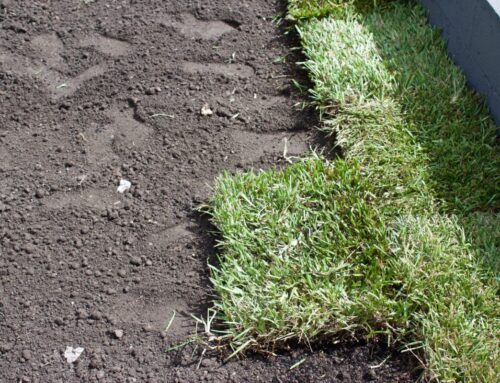
Sod needs firm soil contact. In Atlantic County, that can mean correcting sandy areas that dry quickly, loosening compacted construction soil, removing old turf and weeds, and smoothing low spots before installation day. On shore-area or high-traffic properties, the goal is not only to make the lawn look finished but to give the roots a realistic chance to establish.
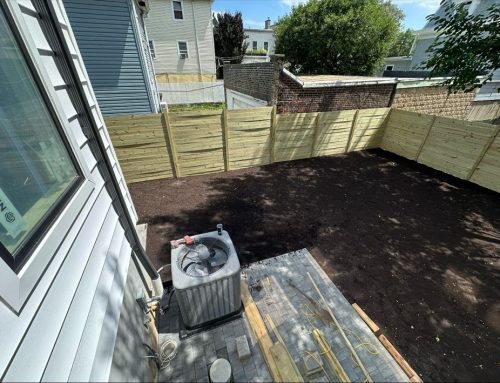
A good prep plan should address grade, drainage, debris, and watering before sod is delivered. If topsoil or amendments are needed, they should be spread, leveled, and settled before pallets are waiting. If irrigation is part of the plan, it should be tested before the first piece of sod is laid.
Atlantic County pre-install checklist
- Remove old grass, weeds, roots, rocks, construction debris, and loose material.
- Confirm the final grade moves water away from homes, patios, walkways, and commercial entrances.
- Loosen compacted areas so roots can make contact with soil.
- Smooth transitions along curbs, sidewalks, beds, fences, driveways, and pool areas.
- Test sprinklers, hose bibs, timers, or temporary watering before delivery day.
- Decide where pallets can be staged without blocking streets, tenant access, driveways, or active work zones.
Delivery access: shore towns, suburbs, builders, and commercial sites
Sod delivery is part of the quality equation. On a tight residential property near the shore, pallet placement may need to account for narrow streets, parked cars, fences, walkways, and limited side-yard access. On a builder or contractor job in Egg Harbor Township, Galloway, Mays Landing, or Hammonton, timing may depend on final grading, irrigation readiness, and other trades leaving the lawn area clear.
Commercial and HOA projects bring their own logistics. A property manager may need work staged around tenant traffic, parking, storefront access, or common-area use. A builder may need delivery coordinated so sod is not sitting on a hot site while crews finish grading. A homeowner may need a simple plan for where material goes and how quickly it can be installed.
That is why local planning matters. Delivery-only and full-installation needs are different buying decisions, and both should start with a realistic site-readiness conversation.
Residential, commercial, HOA, and contractor use cases
Atlantic County sod projects often fall into four practical groups. Residential customers may be replacing a worn lawn, repairing a yard after construction, or finishing a backyard around a patio, pool, or fence. Builders and contractors may need fresh sod to finish a new home or landscape package on schedule. HOAs may need a consistent result across common areas. Commercial property managers may need a clean, safe, professional-looking finish around entrances, signs, or high-visibility lawn areas.
New Jersey Sod Company supports both residential sod services in New Jersey and commercial sod services in New Jersey. The planning advice in this article is meant for real purchase decisions: what is the site condition, when can sod be installed, how will it be watered, and who is responsible for each step?
Watering after installation in Atlantic County
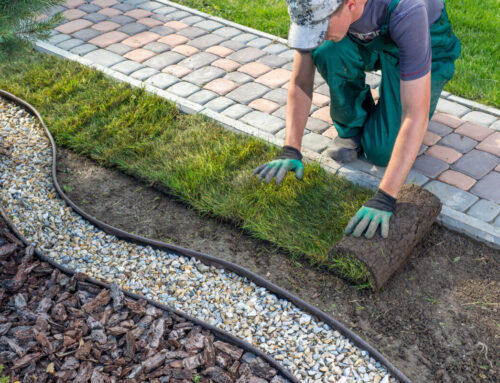
Fresh sod needs consistent moisture while it roots. The first watering should begin as soon as practical after installation, not the next day after heat or wind has already pulled moisture from the turf. Early watering should keep the sod and upper soil moist without causing runoff, puddling, or seam movement.
Atlantic County conditions can change quickly. A sunny, windy lawn near open exposure may dry faster than a shaded inland yard. Sandy soils may need more careful monitoring because water can move through them quickly. A commercial site surrounded by pavement may heat up faster than a residential backyard. As roots begin to establish, watering can gradually shift deeper and less frequent, but the early period is where planning matters most.
For step-by-step installation expectations, use the New Jersey sod installation guide as a companion resource.
How this helps beat generic out-of-state sod pages
A broad competitor page can add “Atlantic County” to a list of service areas, but that does not help a homeowner, builder, landscaper, HOA, or property manager plan a better lawn. A useful Atlantic County sod article should discuss coastal conditions, sandy soil, spring/fall timing, delivery staging, site readiness, watering, and the difference between residential, contractor, HOA, and commercial projects.
That is the advantage of New Jersey Sod Company: the content is built around New Jersey buying decisions and local project planning instead of thin multi-state coverage. For customers, the next step is not just finding sod; it is making sure the lawn area is ready when the sod arrives.
FAQ: Atlantic County NJ sod installation
What is the best season to install sod in Atlantic County?
Spring and fall are usually the most forgiving windows for cool-season New Jersey lawns. Summer installation can work when the site is ready and watering is handled carefully, but heat, wind, and sandy soil can make timing more demanding.
Does coastal or sandy soil change the sod plan?
Yes. Sandy or exposed sites can dry quickly, so soil preparation and watering access are especially important. The lawn should be graded, firm, and ready before sod delivery, and the watering plan should start immediately after installation.
Can sod be installed for new construction homes in Atlantic County?
Yes, but new construction sites often need extra attention. Compacted soil, construction debris, unfinished grade, and missing irrigation or hose access should be handled before sod is delivered.
Do contractors and HOAs need delivery-only or full installation?
It depends on the project. Some contractors need fresh sod delivered at the right time for their crews, while others need installation support to keep a schedule moving. HOAs and commercial properties should plan access, staging, and watering responsibility before work begins.
Ready to plan sod in Atlantic County?
For Atlantic County homeowners, builders, landscapers, HOAs, and commercial property managers, the next step is a local plan for timing, delivery, soil prep, installation, and watering. Contact New Jersey Sod Company through the contact page to discuss your project and avoid the problems that generic sod pages often leave out.