
Gloucester County is not the place for a generic “New Jersey sod” checklist copied from a multi-state delivery page. A lawn in Washington Township, Deptford, Glassboro, Mullica Hill, Sewell, Mantua, or West Deptford has its own timing, soil, access, and watering realities. New Jersey Sod Company helps homeowners, builders, contractors, HOAs, and commercial property managers plan sod installation around the way South Jersey properties actually get built and maintained.
If you are comparing a local New Jersey sod company against an out-of-state page that simply lists towns, use this guide to ask better questions before ordering. Good sod results start before the truck arrives: the site should be graded, loose soil should be settled, irrigation or hose access should be ready, and delivery staging should be realistic for the property.
Why Gloucester County sod projects need local planning
Gloucester County sits in a practical middle ground for sod work. Some properties feel suburban and tight, especially around established neighborhoods in Deptford, Washington Township, and Woodbury. Others have larger lots, newer construction areas, or more open access near Mullica Hill, Woolwich, or South Harrison. The installation plan should match the property type, not just the county name.
That matters for three reasons: prep, delivery, and watering. A newly built home may have compacted subsoil, construction debris, or uneven final grade. A replacement lawn may have old turf, weeds, shallow roots, or drainage issues. A commercial or HOA project may need delivery timing that avoids tenant traffic, parking conflicts, or irrigation shutdowns. Local planning helps prevent sod from sitting too long, drying out, or being installed over a poor base.
Best timing for sod installation in Gloucester County, NJ
For most cool-season New Jersey lawns, spring and fall are the most forgiving windows. Cooler weather reduces heat stress, and the lawn can root before harsher summer or winter conditions. Fall is often especially strong because soil temperatures can still support rooting while air temperatures are easier on the sod.
Spring can also work well when the ground is workable and the site is not too wet. The main risk is rushing installation before drainage, grading, or soil settling is addressed. Summer installation is possible, but it demands faster delivery-to-install timing and stricter watering. If a homeowner, builder, or contractor needs sod in July or August, the watering plan should be ready before installation day.
For broader seasonal guidance, see Best Time to Lay Sod in New Jersey. For full-service help, the main New Jersey sod installation page is the best next step.
Soil prep: the step that separates a strong lawn from a short-term patch
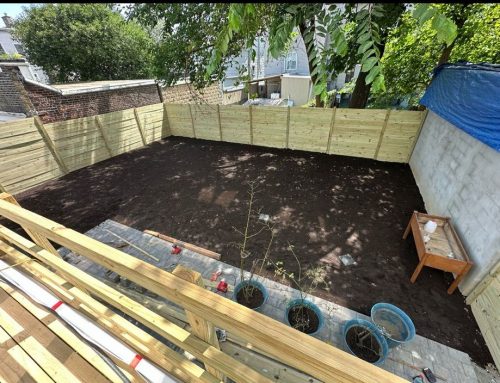
Many Gloucester County lawns fail because the prep was treated as an afterthought. Sod can look finished on day one and still struggle if the soil underneath is compacted, uneven, full of debris, or poorly graded. Before installation, the site should be cleared of construction scraps, rocks, old roots, and loose material that will interfere with contact between sod and soil.
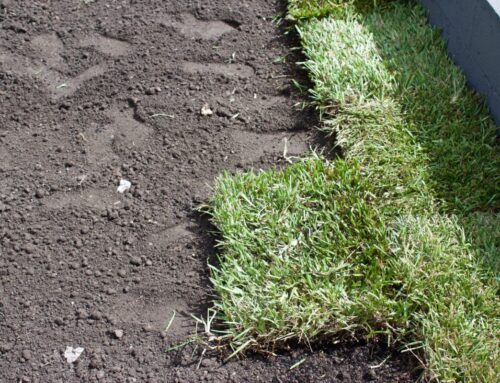
The grade should move water away from structures without creating low spots where the new lawn stays soggy. Soil should be loosened enough for root contact, but not left fluffy or unstable. If topsoil is added, it should be spread and leveled before the sod arrives, not while pallets are waiting. This is especially important on new construction lots where heavy equipment may have compacted the ground.
Prep checklist before sod arrives
- Remove old turf, weeds, construction debris, rocks, and leftover roots.
- Confirm the final grade drains away from the home, walkways, patios, and driveways.
- Loosen compacted soil so roots can establish.
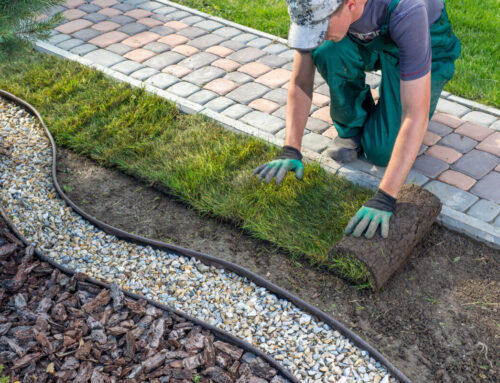
- Level low spots and smooth transitions along sidewalks, curbs, beds, and fence lines.
- Test sprinklers, hoses, or temporary watering before delivery day.
- Plan where pallets can be staged without blocking streets, driveways, or active construction areas.
Delivery access and staging in South Jersey neighborhoods
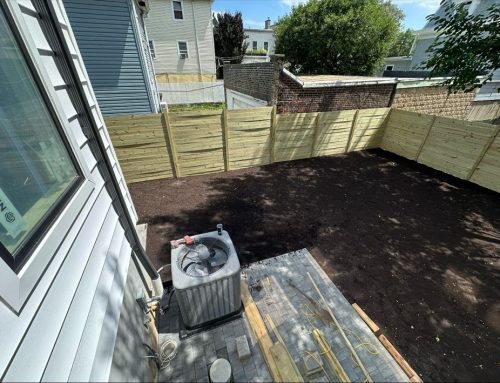
Sod delivery is not just a product drop. The timing and staging affect quality. Fresh sod should be installed promptly, especially in warm weather, so delivery should be scheduled for a site that is actually ready. On tighter Gloucester County properties, pallet placement may need to account for narrow driveways, fences, parked cars, sidewalks, and township street activity.
For builders and contractors, the best results usually come from coordinating sod after final grading, major hardscape work, and irrigation preparation are complete. For homeowners, the key is making sure there is a clear place to receive sod and a plan to move it efficiently across the yard. See sod delivery in New Jersey for delivery-focused planning.
Residential, commercial, HOA, and builder use cases
Gloucester County sod projects are not all the same. A residential backyard in Sewell may need careful access and quick watering. A new construction home in Woolwich may need soil correction after site work. A commercial property near a busy corridor may need installation planned around customer or tenant access. An HOA common area may need consistent finish, clear watering responsibility, and staged work that does not disrupt residents.
New Jersey Sod Company supports both residential sod services in New Jersey and commercial sod services in New Jersey, so the article’s planning advice is meant for real buying situations, not only a homeowner weekend project.
Watering after installation: Gloucester County lawns need a plan immediately
Fresh sod needs consistent moisture while it roots. The first watering should begin as soon as practical after installation, not the next day after the lawn already looks stressed. During the first stretch, the goal is to keep the sod and upper soil moist without creating puddles or washing out seams. As roots begin to establish, watering can gradually shift deeper and less frequent.
The exact schedule depends on weather, soil, shade, slope, and season. A sunny front lawn in late June will dry faster than a shaded backyard in October. That is another reason local planning beats generic advice. The installation window, site conditions, and watering access should be discussed together before the project starts.
How this beats generic out-of-state sod pages
A broad competitor page may mention Gloucester County or list towns, but a useful sod plan needs more than a location keyword. It should explain spring versus fall timing, soil and grading concerns, delivery access, watering readiness, and the different needs of homeowners, builders, HOAs, and commercial properties. New Jersey Sod Company is built around New Jersey-specific work, not a generic regional landing page trying to cover several states at once.
If you are planning a Gloucester County sod project, use a local conversation to confirm timing, prep, access, and watering before you order. That is how a new lawn gets the best chance to root quickly and look finished for more than just the first week.
FAQ: Gloucester County NJ sod installation
What is the best season to install sod in Gloucester County?
Spring and fall are usually the best windows for cool-season New Jersey lawns because temperatures are more forgiving and rooting conditions are better. Summer can work when the site is ready and watering is handled carefully.
Can sod be installed on a new construction lot?
Yes, but new construction sites often need extra preparation. Compacted soil, debris, uneven grade, and unfinished irrigation should be addressed before sod delivery and installation.
How soon should fresh sod be watered?
Watering should begin as soon as practical after installation. The sod and upper soil should stay consistently moist during the early rooting period, with adjustments for heat, rain, shade, and soil conditions.
Do Gloucester County contractors and builders need delivery-only or full installation?
It depends on the project. Some builders and landscapers need fresh sod delivery at the right stage of a job, while others want installation support to keep the schedule moving. The best option depends on site readiness, labor, access, and timeline.
Ready to plan sod in Gloucester County?
For Gloucester County homeowners, builders, landscapers, HOAs, and commercial property managers, the next step is a local plan that covers timing, delivery, soil prep, installation, and watering. Contact New Jersey Sod Company through the contact page to discuss your project and avoid the common mistakes that generic sod pages leave out.