Fresh sod can transform a bare or patchy yard quickly, but the quality of the finished lawn depends heavily on what happens before the rolls arrive. In New Jersey, soil preparation is especially important because lawns may be dealing with compacted construction fill, clay-heavy ground, older turf, uneven grades, tree shade, foot traffic, or drainage problems from a long winter. If the base is not ready, even good sod can struggle to root evenly.
This guide explains how to prepare soil for sod in New Jersey so homeowners, contractors, property managers, and commercial site teams know what to look for before scheduling delivery or installation. For projects where timing, access, grading, or square footage are uncertain, New Jersey Sod Company can help coordinate sod installation in New Jersey and fresh sod delivery. Call (862) 201-3101 to discuss your lawn.
Why Soil Prep Matters Before Laying Sod in New Jersey
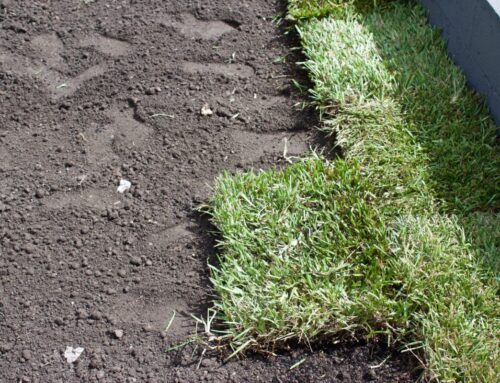
Sod arrives as living grass with a shallow layer of roots and soil. Once installed, those roots need direct contact with a loose, level, moist soil bed. If the ground underneath is hard, dry, full of debris, or uneven, the sod may dry out faster, root slowly, or show seams and low spots after the first few weeks.
New Jersey lawns also face seasonal pressure. Spring can bring wet soils and cool nights. Summer heat can make new sod harder to establish if watering is inconsistent. Fall is often an excellent window because temperatures are cooler and root growth can continue before winter dormancy. Planning the soil work around those conditions gives your lawn a better chance to knit in before stress arrives. If you are deciding when to schedule the project, review the best time to lay sod in New Jersey.
Step 1: Remove Old Grass, Weeds, Rocks, and Jobsite Debris
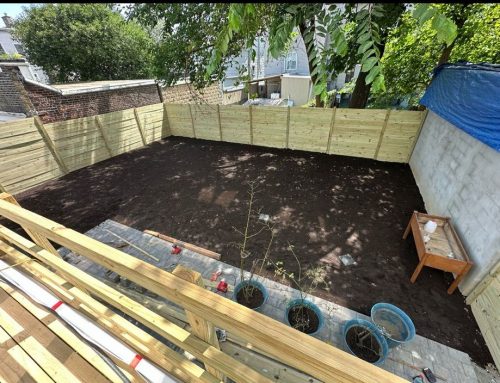
Start by clearing the installation area. Old turf, dead patches, weeds, roots, stones, sticks, construction debris, and leftover landscape materials should be removed before sod is installed. Sod should not be laid directly over existing grass. The old lawn can create an uneven layer that blocks root contact and decomposes under the new sod.
For residential yards, this often means stripping existing turf and cleaning up bed edges, walkways, patios, fences, and sprinkler heads. For commercial properties, builders, HOAs, and municipal-looking grounds, the same principle applies at a larger scale: the new lawn area should be clean, accessible, and ready for final grading before pallets are staged. If the property has heavy weed pressure, address it before the final sod date rather than trying to hide weeds under new grass.
Step 2: Loosen Compacted Soil
Compaction is common in New Jersey yards, especially around new construction, driveways, side yards, patios, and high-traffic areas. When soil is compacted, water may run off instead of soaking in, and new roots have difficulty growing down into the lawn bed.
The goal is not to create fluffy soil that sinks underfoot, but to loosen the top layer enough for root contact and water movement. Depending on the site, this may involve raking, tilling, or mechanically loosening the upper soil. Be careful around buried utilities, irrigation lines, shallow drainage, and tree roots. If the area has been compacted by equipment, it may need more attention than a typical lawn renovation.
Step 3: Improve the Soil Bed Without Guessing
Some New Jersey yards benefit from adding screened topsoil or organic matter to improve the lawn bed. Others mainly need grading and debris removal. The right approach depends on what is already there. Clay-heavy soil may need better structure. Sandy or thin areas may need more moisture-holding capacity. Construction fill may need cleanup and a better top layer before sod installation.
Avoid dumping random amendments on the lawn without a reason. More material is not always better, and overly soft or uneven soil can settle after the sod is installed. If you are unsure how much sod or prep area you are dealing with, use the New Jersey sod calculator and buying guide as a starting point for measuring the project.
Step 4: Grade for Drainage and Smooth Mowing
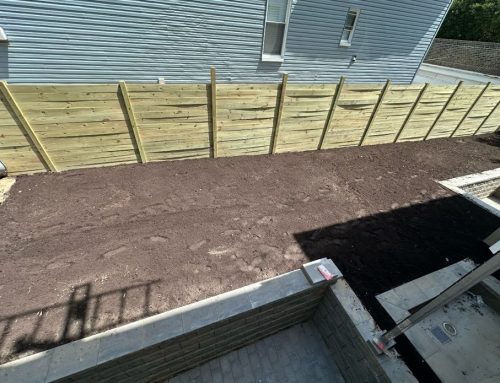
Final grading is one of the most important steps before sod delivery. The lawn should be smooth and firm, with water directed away from foundations, patios, walkways, and low spots where puddles collect. Small bumps and dips may not look serious before installation, but they become much more noticeable once sod is down and the lawn is being watered daily.
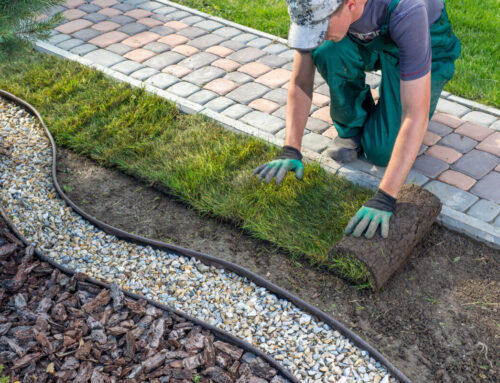
Pay attention to transitions at driveways, sidewalks, fences, planting beds, entrances, curb lines, loading areas, and pedestrian paths. The finished grade should let sod sit at the right height next to hard surfaces without creating trip edges or mower scalping problems.
Step 5: Firm the Soil Before Installation
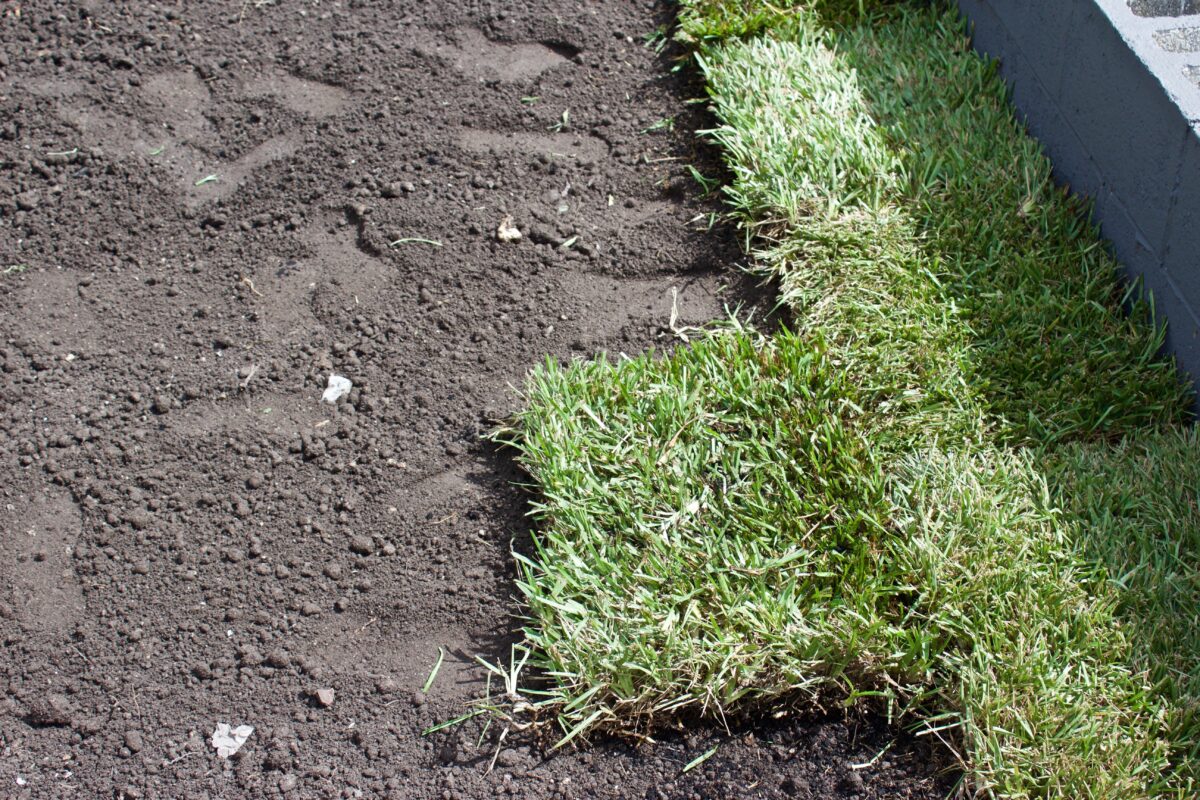
After soil has been loosened, amended if needed, and graded, it should be firmed enough to reduce settling. A good rule of thumb is that the prepared area should feel stable underfoot, not powdery or overly soft. If footprints sink deeply, the soil may need additional leveling and firming before sod is laid.
This step helps the sod make consistent contact with the soil. Good contact reduces air pockets, improves early rooting, and makes watering more effective. It also helps create the smooth, finished look most people expect from a professionally installed lawn.
Step 6: Lightly Moisten the Soil Before Sod Arrives
Sod should not be installed on dusty, bone-dry soil. Lightly moist soil helps roots begin the establishment process and prevents the ground from pulling moisture out of the sod immediately after installation. The soil should be damp, not muddy. If the area is saturated, footprints, ruts, and uneven installation can become a problem.
Once sod is installed, watering becomes a daily priority during establishment. New sod in New Jersey generally needs consistent moisture at first, then a gradual transition to deeper, less frequent watering as roots develop. For aftercare, see the New Jersey sod care and maintenance guide.
Step 7: Coordinate Delivery Access and Timing
Soil preparation should be completed before the sod is delivered. Fresh sod is perishable, and it should be installed promptly after arrival. Before the delivery date, decide where pallets can be placed, whether a driveway or curbside area is accessible, and how installers or workers will move sod from the staging area to the lawn.
This matters in dense New Jersey neighborhoods where driveways are narrow, streets are busy, or backyard access is limited. It also matters for larger commercial projects where staging, irrigation, and labor timing need to line up. Coordinating sod delivery with a prepared soil bed helps reduce delays and keeps the grass in better condition.
Residential and Commercial Soil Prep Considerations
For residential sod projects, soil prep is often about curb appeal, backyard usability, drainage, and getting the lawn established before a family event, home sale, or seasonal deadline. Homeowners should focus on clean removal, smooth grades, watering access, and realistic timing.
For commercial sod services in New Jersey, preparation may include larger staging areas, coordination with contractors, irrigation checks, and making sure the finished lawn can handle foot traffic after establishment. Commercial properties should avoid opening new sod to heavy use too quickly, even if the grass looks green immediately after installation.
Common Soil Prep Mistakes to Avoid
- Laying sod over old grass: This prevents good soil contact and can create uneven rooting.
- Ignoring drainage: Low spots can stay wet and weaken the new lawn.
- Leaving soil too compacted: Roots need a workable soil bed to establish.
- Installing on dry soil: Dry ground can pull moisture away from fresh sod.
- Ordering before measuring: Poor measurements can lead to shortages, delays, or excess sod.
- Waiting too long after delivery: Fresh sod should be installed promptly once it arrives.
FAQ: Soil Preparation for Sod in New Jersey
Do I need to remove my old lawn before laying sod?
Yes. For best results, old grass and weeds should be removed so the new sod can make direct contact with prepared soil. Laying sod over an existing lawn usually leads to poor rooting and an uneven surface.
Should New Jersey soil be wet before sod installation?
The soil should be lightly moist, not muddy. Damp soil helps new sod begin rooting, but saturated soil can create ruts and make installation messy.
Can sod be installed on clay soil?
Sod can be installed on clay-heavy soil if the area is properly prepared, graded, and loosened enough for root growth and water movement. Severe compaction or drainage issues should be addressed before installation.
How far ahead should soil be prepared before sod delivery?
Major clearing and grading can be done ahead of time, but the final surface should be ready by the time sod arrives. Fresh sod should be installed promptly, so the soil bed should not be left unfinished on delivery day.
Who can help with sod delivery and installation in New Jersey?
New Jersey Sod Company can help homeowners, contractors, and commercial properties coordinate sod delivery and installation. Call (862) 201-3101 to discuss your project and timing.
Get Help Preparing for a New Sod Lawn
If you want a greener lawn without guessing through the prep, delivery, and installation process, New Jersey Sod Company can help you plan the next step. Whether you are refreshing a home lawn, repairing a construction area, or improving a commercial property, proper soil preparation helps the sod root faster and look better from the start.
Call (862) 201-3101 or visit New Jersey Sod Company online to schedule sod delivery or installation support in New Jersey.