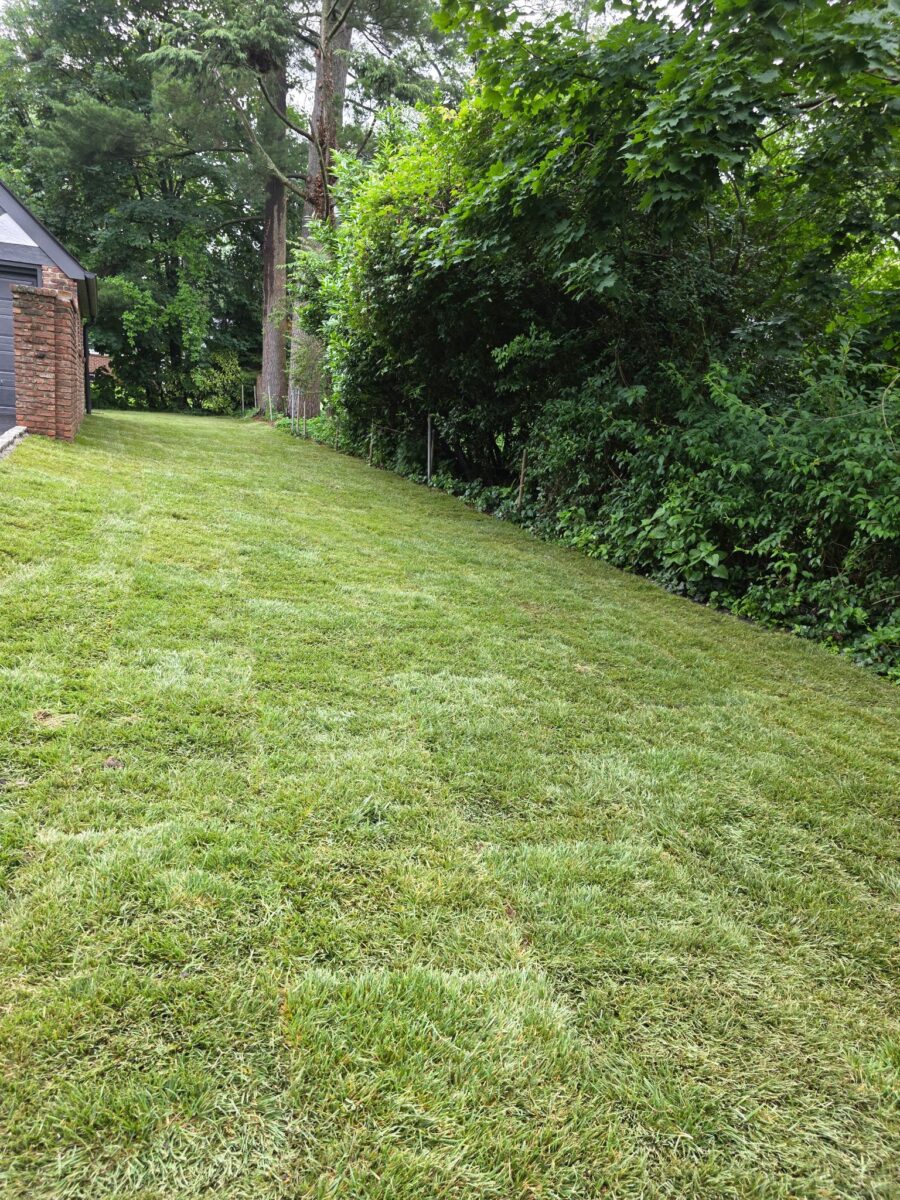
A successful sod installation in New Jersey does not end when the last roll is tucked into place. The first few weeks of watering are what help fresh sod knit into the soil, resist summer stress, and build the root system needed for a durable lawn through winter dormancy and the next growing season.
That is especially important in New Jersey, where a lawn can face cool spring nights, humid summer afternoons, compacted construction soil, and fast-changing fall weather. Whether you are refreshing a front yard in Bergen County, finishing a new build in Monmouth County, or coordinating a commercial property upgrade in Middlesex, the right watering plan protects the investment you just made.
This guide explains a practical sod watering schedule for New Jersey lawns during the first 30 days after installation, plus the signs that your lawn is getting too much or too little water.
Why new sod needs a schedule, not random watering
Fresh sod arrives with a thin soil layer and a living root system that has been cut from the farm field. After installation, those roots need consistent moisture so they can grow down into the prepared soil below. If the sod dries out before rooting, seams can shrink, corners can lift, and brown areas can appear quickly.
At the same time, watering too heavily can create puddling, soft soil, fungal pressure, and shallow rooting. The goal is not to keep the lawn flooded. The goal is to keep the sod and the top layer of soil evenly moist until the roots have enough contact to support deeper, less frequent watering.
A professional installation helps with grading, soil contact, seams, and layout, but the watering window after installation is still critical. If you are planning a project and want help with site preparation, delivery timing, and installation, see New Jersey Sod Company's sod installation services at sod installation services.
Before watering: make sure the site is ready
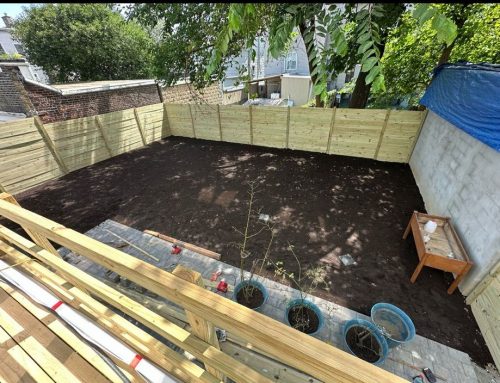
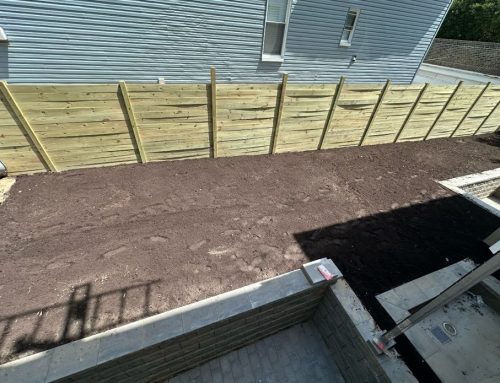
Watering works best when the soil has been properly prepared before the sod arrives. Compacted soil, construction debris, uneven grades, and low spots can all cause water problems after installation.
Before sod is installed, the area should generally be cleared, loosened, graded, and raked smooth so the sod can make direct contact with the soil. Low areas may stay soggy, while high spots can dry out faster. Sloped yards, curb strips, and areas near driveways may also need extra attention because they can shed water more quickly.
If you are still estimating how much sod to order, measure carefully and account for cuts around beds, walkways, patios, and curves. The New Jersey sod calculator and buying guide at New Jersey sod calculator and buying guide can help you plan square footage before delivery.
Day 1: water immediately after installation
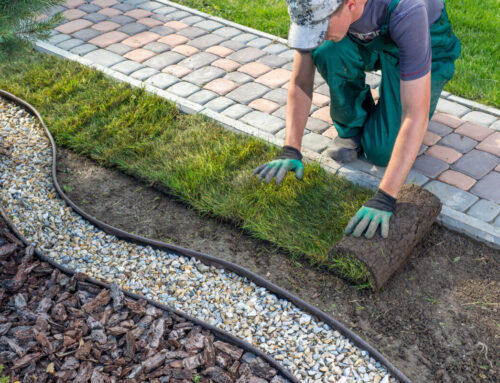
On installation day, water should begin as soon as practical after the sod is laid. Do not wait until the entire property is finished if the first section has been sitting in the sun. New sod can dry quickly on warm or windy New Jersey days, especially in late spring and summer.
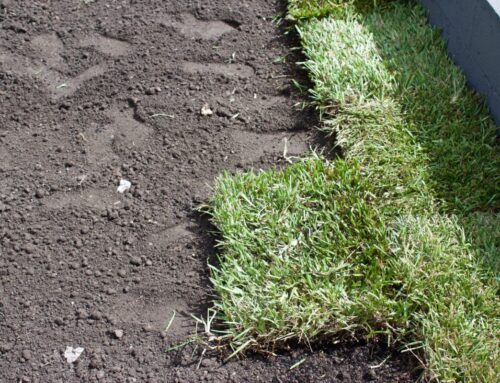
The first watering should soak the sod and moisten the soil underneath. A simple check is to lift a corner carefully after watering and confirm that the underside of the sod and the topsoil below are damp. If the soil underneath is still dry, continue watering in that zone.
Avoid heavy foot traffic after this first soak. Saturated sod can shift, and footprints can create uneven areas before the roots have anchored.
Days 2 through 7: keep the sod consistently moist
During the first week, the sod should stay consistently moist throughout the day. In many New Jersey spring or fall conditions, that may mean watering once in the morning and again later if the surface begins to dry. In hotter, sunnier, or windier weather, short additional cycles may be needed.
Focus on frequent, moderate watering rather than one long watering that runs down the street or pools near sidewalks. Early morning is usually the best time because it reduces evaporation and gives the lawn time to dry before night. Midday watering may be necessary during heat, but evening watering should be used carefully because wet grass overnight can increase disease pressure.
Pay attention to edges, seams, slopes, and areas near pavement. These spots often dry faster than the middle of the lawn. If you see bluish-gray grass, curling blades, or gaps forming at seams, the sod is likely drying and needs water sooner.
Week 2: begin encouraging root growth
By the second week, many new sod lawns begin to root into the soil below. You can test this gently by tugging on a corner. If the sod resists lifting, roots are starting to take hold. Do not pull aggressively; the goal is only to check progress.
As rooting begins, gradually reduce watering frequency and increase the depth of each watering. This encourages roots to follow moisture downward instead of staying at the surface. The lawn should still not be allowed to dry out, but it should not remain constantly soggy.
For a typical New Jersey lawn in mild weather, this may look like one thorough morning watering with another lighter cycle only if needed. In hot weather or on sandy soil, you may still need more frequent attention. In cooler fall weather, you may need less.
Weeks 3 and 4: transition toward normal lawn watering
During weeks three and four, the lawn should be moving toward a more normal watering pattern. Instead of frequent shallow watering, the goal is deeper watering less often. This supports stronger roots and helps the lawn handle dry spells.
A common target for established cool-season lawns is roughly an inch of water per week from rainfall and irrigation combined, but new sod may need closer observation until it is fully rooted. Use the lawn itself as the guide. If footprints remain visible, blades fold, or color dulls, the lawn may need water. If the soil stays spongy, puddled, or constantly wet, reduce watering.
This is also the stage when mowing may become appropriate, but only when the sod is rooted enough and the grass is tall enough. Use a sharp mower blade, avoid cutting too short, and never mow when the soil is saturated.
For broader seasonal care after the establishment period, bookmark the New Jersey sod care and maintenance guide at New Jersey sod care and maintenance guide.
Seasonal adjustments for New Jersey lawns
A sod watering schedule in New Jersey should change with the season.
Spring installations often benefit from cooler temperatures and natural rainfall, but rain does not always soak evenly into new sod. Check the soil rather than assuming a rainy day did enough.
Summer installations need the closest monitoring. Heat, reflected pavement, and dry wind can stress sod quickly. Water early, watch edges and slopes, and coordinate delivery and installation so sod is not sitting exposed longer than necessary. If you need sod staged for a project, review sod delivery options at sod delivery options.
Fall installations are often favorable because temperatures are cooler and root growth can be strong before winter. However, do not stop watering just because the air feels cool. Sod still needs moisture while it roots, and dry fall winds can pull water from the surface.
Winter dormancy is different from failure. Cool-season grass may lose color during cold periods, but a properly rooted lawn can green up when conditions improve.
Residential, contractor, and commercial watering considerations
Homeowners usually have the advantage of checking the lawn daily. Walk the property in the morning, look for dry seams or puddles, and adjust sprinkler coverage zone by zone.
Contractors and builders should assign watering responsibility before installation day. A beautiful new sod lawn can decline quickly if nobody is responsible for the first week of watering after a closing, renovation, or punch-list item. For homeowner-focused projects, New Jersey Sod Company's residential sod services are outlined at residential sod services.
Commercial properties, HOAs, municipal sites, and roadside areas may have larger zones, irrigation limitations, or access issues. These projects often need a written watering plan so maintenance teams know when to start, how to adjust, and what problem signs to report. For larger property needs, see commercial sod services at commercial sod services.
Common watering mistakes to avoid
The biggest mistake is waiting too long after installation to begin watering. Fresh sod should not sit dry in the sun while the crew finishes every detail of a large property.
Another common mistake is watering only the center of the lawn while edges, corners, and narrow strips dry out. Sprinkler patterns are rarely perfect, so check coverage manually.
Overwatering is also a problem. If water is running off the lawn, pooling for long periods, or leaving the soil muddy, shorten the cycles and allow water to soak in between rounds. New sod needs moisture, not standing water.
Finally, do not assume every yard on the same block needs the same schedule. Shade, slope, soil type, wind, irrigation coverage, and installation season all matter.
FAQ: sod watering schedule in New Jersey
How soon should I water new sod after installation?
Water as soon as practical after installation begins. The sod and the soil underneath should be moist on day one, especially during warm, sunny, or windy weather.
How often should I water new sod in the first week?
Most new sod needs frequent moisture checks during the first week. Depending on weather and soil, that may mean watering in the morning and again later if the sod begins drying. Hot or windy conditions may require more attention.
When can I reduce watering on new sod?
You can usually begin reducing frequency once the sod starts rooting into the soil, often during the second week. Transition gradually toward deeper, less frequent watering rather than stopping suddenly.
Can rain replace watering for new sod?
Sometimes, but do not rely on rainfall without checking. Lift a corner gently or probe the soil to confirm moisture reached the root zone. Light rain may wet the blades without soaking the soil below.
When should I mow new sod?
Mow only after the sod has rooted enough that it does not shift or lift easily, and only when the grass is tall enough to cut without scalping. Avoid mowing when the soil is wet or soft.
Plan your New Jersey sod project with watering in mind
The best results come from matching quality sod, proper soil preparation, timely delivery, professional installation, and a realistic first-month watering plan. New Jersey Sod Company helps homeowners, contractors, and commercial property managers plan sod delivery and installation around local conditions.
For help with your lawn project, call New Jersey Sod Company at (862) 201-3101 or start with the sod installation page at sod installation services.