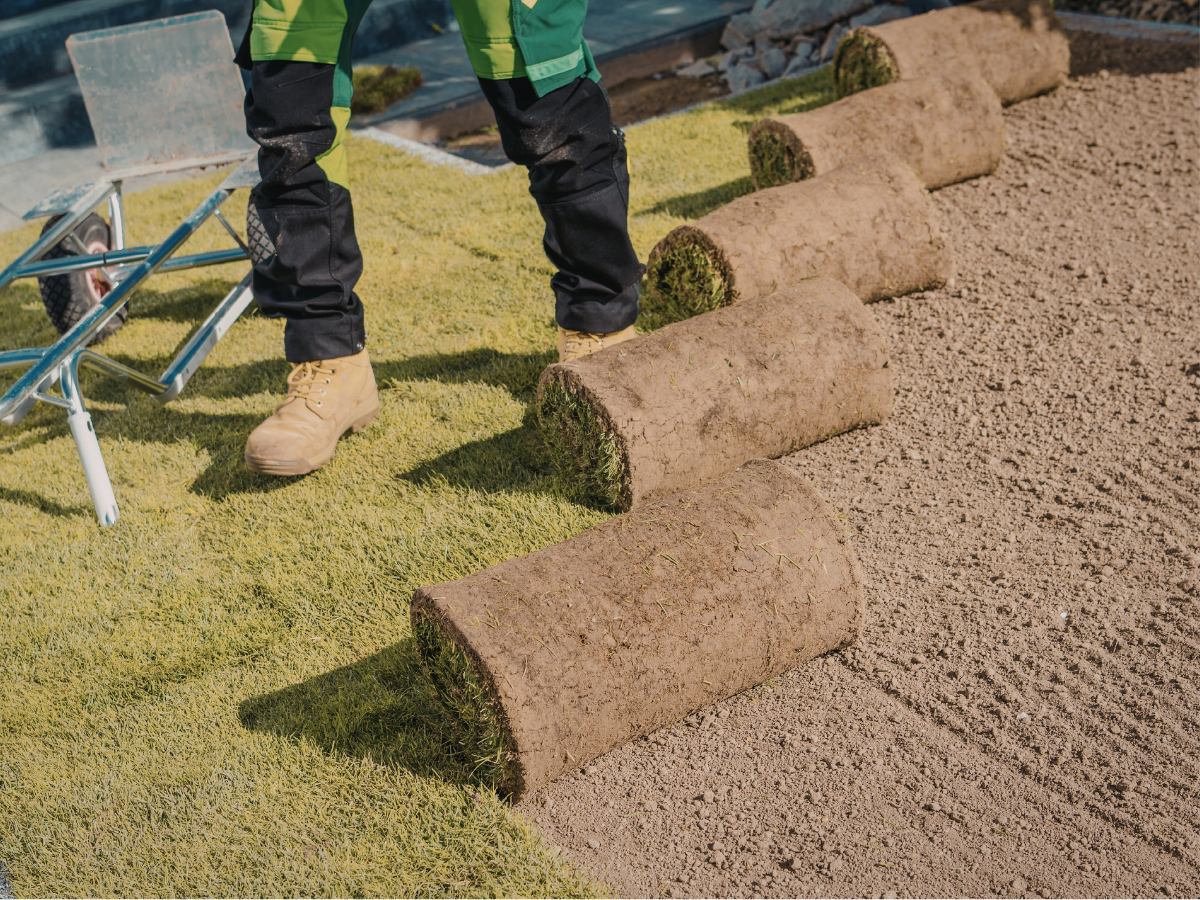
A worn-out lawn in New Jersey does not always need another round of seed, patch products, or fertilizer. If the turf is thin, uneven, weedy, compacted, or damaged from construction, pets, drainage problems, or years of stress, full sod replacement may be the faster and more reliable path to a usable lawn. The key is knowing when the old lawn should be removed, how the soil should be prepared, and what timing gives the new sod the best chance to root before heat, drought, or winter dormancy.
For homeowners, contractors, HOAs, and commercial property managers, sod replacement is different from simply filling bare spots. It is a reset. The existing grass and weed layer is removed, the grade is corrected where needed, the soil is loosened and leveled, and fresh sod is installed in a way that encourages quick root contact. Done correctly, a property can move from tired turf to a clean, green lawn much faster than waiting for seed to fill in.
When sod replacement makes sense in New Jersey
Sod replacement is usually worth considering when the lawn has more problems than healthy turf. A few small bare spots can often be repaired. But if large sections are dominated by weeds, moss, crabgrass, compacted soil, ruts, dead patches, or mixed grass types, replacing the lawn can produce a cleaner result than trying to rescue what is left.
Common New Jersey situations that point toward replacement include lawns damaged by home additions, pool removals, patios, drainage work, septic or utility work, and heavy equipment traffic. Replacement can also make sense after repeated summer decline, especially where shallow roots and compacted soil prevent the lawn from recovering. In North Jersey, Central Jersey, and South Jersey towns alike, the best projects start by correcting the conditions that caused the decline instead of covering them with new grass.
If you are comparing repair versus replacement, start with the percentage of the lawn that is still healthy. When most of the area is thin or contaminated with weeds, full removal and new sod often saves time. If the lawn is mostly strong with isolated damage, spot repair may be enough.
Why removing the old lawn matters
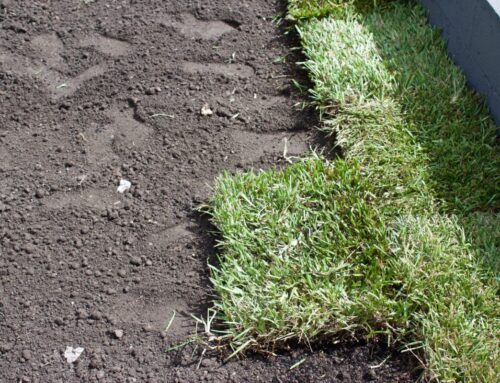
New sod needs firm contact with prepared soil. Installing directly over old grass, thatch, weeds, or uneven debris can prevent roots from reaching the soil evenly. The result may look green for a short time, but weak rooting can show up later as drying edges, bumps, seams, or sections that fail during heat or heavy use.
Removing the old lawn also gives you the opportunity to fix grade and drainage issues. Low spots can hold water after storms, while high spots may dry out quickly. A smooth, properly prepared surface helps the sod knit together and makes mowing easier once the lawn is established.
For larger properties, commercial sites, and contractor-managed projects, this preparation step is especially important because mistakes are harder to hide across wide open areas. If your project needs professional help, review New Jersey Sod Company’s sod installation services in New Jersey before scheduling the work.
Best timing for sod replacement in NJ
New Jersey lawns are strongly affected by seasonal weather. Spring and fall are usually the most forgiving windows for sod replacement because temperatures are moderate and the new sod has time to root before the hardest parts of summer or winter. Fall is often excellent because the soil is still warm, rainfall is more consistent, and weed pressure is lower than in late spring.
Spring replacement can also work well when the site is prepared properly and watering is managed closely. Summer installations are possible, but they require more attention to moisture because heat can dry new sod quickly. Winter projects depend on conditions; sod may be dormant, rooting is slower, and frozen or overly wet soil can limit preparation quality.
If timing is the main question, use the best time to lay sod in New Jersey guide to compare seasonal pros and cons before committing to a replacement date.
How to prepare for a sod replacement project
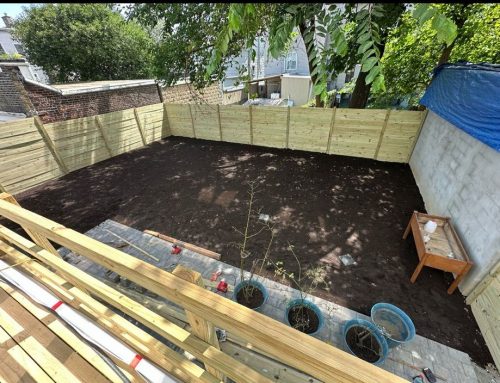
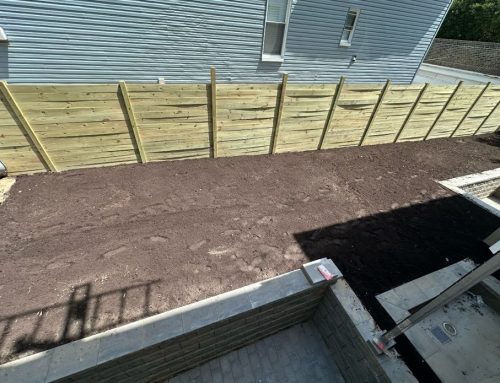
Good preparation is the difference between a lawn that simply looks new and a lawn that establishes well. Before fresh sod arrives, the old turf should be removed, debris should be cleared, and the soil should be loosened where it is compacted. The surface should be graded so water moves away from structures and does not settle in low pockets. The final grade should be smooth, firm, and slightly below sidewalks, patios, and driveways so the new sod sits flush after installation.
It is also smart to measure the area carefully before ordering sod. Over-ordering can waste material, while under-ordering can delay installation and leave seams unfinished. For planning help, see the New Jersey sod calculator and buying guide. The guide can help you think through square footage, waste factor, access, and delivery planning without relying on rough guesses.
If you are coordinating with a landscaper, builder, or property manager, make sure site access is clear before delivery. Pallets need a practical staging area, and installers need room to move efficiently without damaging hardscapes, planting beds, or finished construction.
Delivery and installation considerations
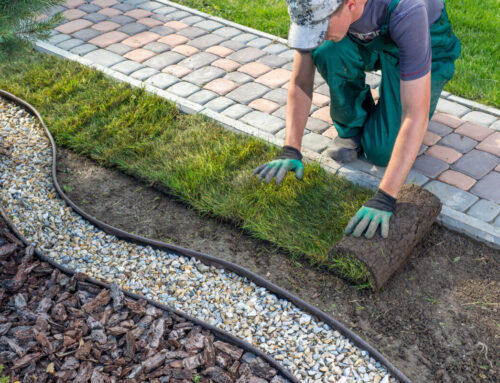
Fresh sod is perishable. Once it is harvested and delivered, it should be installed promptly so it does not heat up, dry out, or sit too long on pallets. That is why replacement projects should be scheduled in the right order: site prep first, sod delivery second, installation immediately after delivery, and watering as soon as sections are placed.
For homeowners managing their own installation, delivery logistics matter. Consider driveway access, street parking, slopes, gates, fenced yards, and how far rolls need to be carried. For larger jobs, professional installation may reduce delays and help keep seams tight and watering on schedule.
New Jersey Sod Company can help customers evaluate whether they need sod delivery in New Jersey, installation support, or both. Residential customers can also review residential sod services, while property managers, contractors, and business owners can explore commercial sod services.
Watering after sod replacement
The first few weeks after replacement are critical. New sod has shallow roots at first, so the soil underneath must stay consistently moist without becoming muddy. Watering should begin right away after installation. Edges, corners, sunny areas, and slopes often dry faster than shaded or low-lying sections, so they may need extra attention.
As roots begin to knit into the soil, watering can gradually shift from frequent light watering to deeper, less frequent watering. Mowing should wait until the sod is rooted enough to stay in place, and foot traffic should be limited while the lawn is establishing. These details are covered in the New Jersey sod care and maintenance guide.
Do not treat replacement as finished the day the sod is installed. The first month determines whether the lawn becomes established, especially during warm weather or dry stretches. A clear watering plan is as important as the sod itself.
Residential and commercial replacement projects
Residential sod replacement often focuses on curb appeal, backyard usability, pet damage, play areas, and correcting patchy front lawns. Commercial projects may involve building entrances, retail properties, apartment communities, HOA common areas, municipal sites, and contractor turnover work. The same fundamentals apply, but commercial projects usually require tighter coordination around access, timing, safety, and public appearance.
For both types of properties, the best approach is to identify why the lawn failed, correct site conditions, choose an appropriate installation window, and avoid letting fresh sod sit before installation. That combination gives the new lawn a better start in New Jersey’s cool-season growing environment.
FAQ: Sod replacement in New Jersey
Can I lay new sod over my old lawn?
It is usually better to remove the old lawn first. New sod needs direct contact with prepared soil. Existing grass, weeds, thatch, and uneven debris can interfere with rooting and create bumps or weak areas.
What is the best season for sod replacement in New Jersey?
Spring and fall are generally the most forgiving seasons. Fall is often especially strong because soil temperatures are still favorable, weed pressure is lower, and cooler weather reduces heat stress. Summer replacement can work, but watering must be managed carefully.
How soon should sod be installed after delivery?
Sod should be installed as soon as practical after delivery. Fresh sod can dry out or heat up if it sits too long, especially during warm New Jersey weather. Site preparation should be completed before the sod arrives.
Do I need professional installation for sod replacement?
Some homeowners handle small projects themselves, but professional installation can help when the lawn is large, uneven, time-sensitive, or part of a contractor or commercial project. Proper removal, grading, seams, and watering setup all affect the final result.
How do I start a sod replacement project?
Start by measuring the area, deciding whether the old lawn needs full removal, checking access for delivery, and choosing a spring or fall installation window when possible. You can also call New Jersey Sod Company at (862) 201-3101 to discuss sod delivery and installation options.
Ready to replace a worn-out New Jersey lawn?
If your lawn is too thin, weedy, uneven, or damaged to repair section by section, sod replacement may be the most practical way to start fresh. New Jersey Sod Company helps homeowners, contractors, and commercial properties plan sod delivery and installation for New Jersey conditions. Call (862) 201-3101 or review the company’s New Jersey sod installation services to plan your replacement project.