
Union County is a compact, busy part of New Jersey, which makes sod installation different from a generic out-of-state delivery page. A lawn project in Summit, Westfield, Scotch Plains, Cranford, Union, Linden, Rahway, or Elizabeth has to account for Northeast weather, clay-heavy soil pockets, older neighborhoods, tight delivery access, municipal cleanup expectations, and fast curb-appeal goals. That is why local planning matters before the first pallet arrives.
This guide explains how Union County homeowners, builders, landscapers, HOAs, and commercial property managers should think about sod timing, site prep, delivery logistics, and first-month watering so the new lawn has the best chance to root quickly.
Why Union County Sod Projects Need Local Planning
Union County includes dense urban properties, suburban homes, school and municipal grounds, commercial frontage, and new construction or renovation sites. A one-size-fits-all sod plan can miss important details: where the truck can safely stage, whether the lawn area has shade from mature trees, how quickly the site drains after heavy rain, and whether irrigation or hose access is ready before installation day.
For a buyer comparing a New Jersey-based sod company against a broad multi-state sod page, the local difference is practical. The question is not just “can sod be delivered?” It is “can the delivery, prep, installation window, and aftercare match the conditions of a real New Jersey job site?”
Best Timing for Sod Installation in Union County
Union County lawns are in the cool-season grass region. Spring and fall are usually the most forgiving installation windows because temperatures are moderate and the new sod can root without the same heat stress seen in July or August. Early spring work can be effective once the soil is workable, while fall installations often benefit from cooler nights and steady moisture.
Summer sod is possible, but it requires more careful watering and faster coordination. Sod should not sit around on pallets in hot weather, and the customer should be ready to water immediately after installation. If the site has full sun along a street frontage or reflected heat near pavement, that planning becomes even more important.
For a deeper timing breakdown, see New Jersey Sod Company’s best time to lay sod in New Jersey resource.
Soil Prep: The Step That Separates Good Installs From Short-Lived Lawns
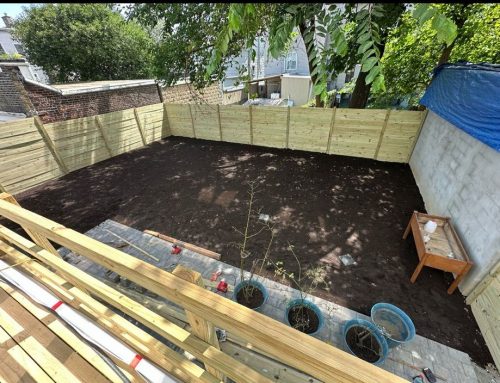
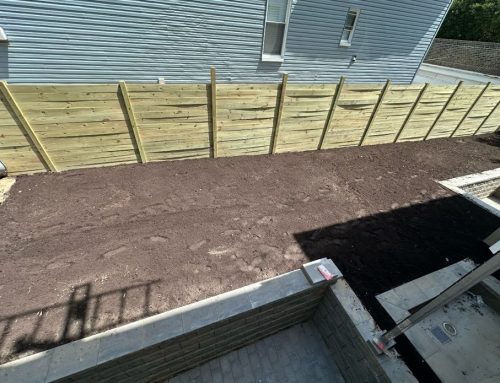
Many Union County properties have compacted soil from construction, older lawn renovation, foot traffic, tree roots, or years of patch repairs. Before sod is installed, the area should be cleared of old grass, weeds, stones, and debris. The surface should be graded so water moves away from foundations, sidewalks, patios, and low spots.
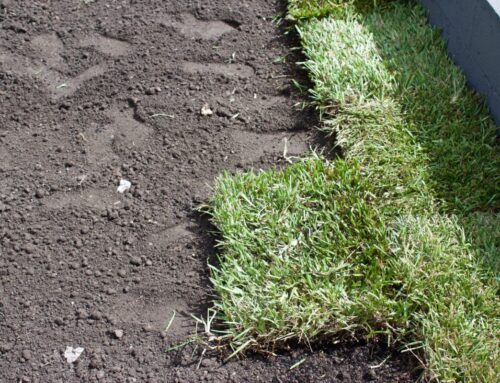
Good prep normally includes loosening compacted areas, creating a smooth final grade, and making sure the soil surface is ready for sod-to-soil contact. Sod roots into soil, not air pockets. If the base is uneven, rocky, or compacted, even fresh sod can struggle.
For full-service help with prep and installation, visit sod installation in New Jersey.
Delivery Access Matters in Towns Like Cranford, Westfield, Union, and Elizabeth
Union County projects often involve tight driveways, narrow streets, street parking, alleys, detached garages, fences, and mature landscaping. Before ordering sod, confirm where pallets can be staged and how the sod will move from the drop area to the lawn. A delivery-only order for a wide-open suburban property is different from a commercial entrance renovation or a backyard project behind a fence.
Buyers should think through:
- Whether the property has a safe pallet drop location.
- How far sod must be carried from the staging area.
- Whether street parking or property access changes during school, commute, or business hours.
- Whether irrigation, hoses, and sprinklers are ready the same day.
- Whether grading or cleanup must be finished before delivery.
If you only need fresh sod delivered, start with New Jersey sod delivery. If you need the lawn fully installed, delivery and installation should be coordinated together so the sod is placed as quickly as practical after arrival.
Residential, Builder, HOA, and Commercial Union County Use Cases
Union County sod projects are not all the same. A homeowner in Scotch Plains may be replacing a worn backyard. A builder in Linden may need curb appeal before showing a new or renovated property. An HOA or property manager in Springfield or Berkeley Heights may need common-area repair after utility work, drainage repairs, or seasonal wear. A commercial property in Elizabeth or Rahway may need a clean frontage that looks finished quickly.
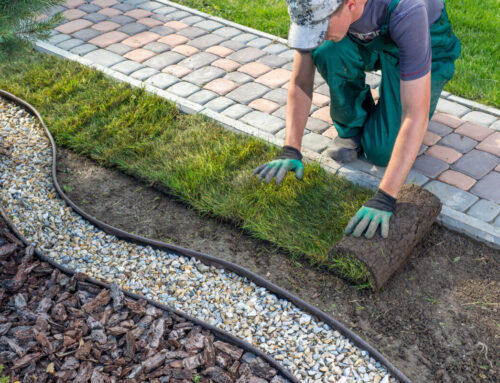
For homeowners, the priority is usually fast curb appeal and a lawn that can establish with proper watering. For builders and contractors, scheduling and site readiness matter because sod is often one of the final exterior steps. For HOAs and commercial properties, access, safety, visibility, and coordination around residents or tenants can be just as important as the grass itself.
Relevant service pages include residential sod services in New Jersey and commercial sod services in New Jersey.
Watering After Installation: The First Month Is Critical
Once sod is installed, the first watering should begin right away. The goal is to keep the sod and upper soil layer consistently moist while roots knit into the prepared soil. Watering needs vary based on sun exposure, slope, drainage, temperature, and rain, but the first couple of weeks usually require the closest attention.
Union County customers should watch for edges, corners, slopes, and areas near pavement because those sections can dry faster. Avoid letting new sod go dry during establishment, but also avoid creating puddles that leave the soil saturated for long periods. As rooting improves, watering can gradually shift toward deeper, less frequent irrigation.
Common Mistakes to Avoid Before Ordering Sod in Union County
- Ordering before the site is ready. Fresh sod performs best when it can be installed promptly.
- Ignoring drainage and grading. Low spots and runoff problems should be corrected before sod goes down.
- Underestimating access. Delivery staging can be a major issue on tight New Jersey properties.
- Skipping the watering plan. Someone needs to be ready to water immediately after installation.
- Choosing a generic sod page instead of local guidance. New Jersey timing, soil, and logistics are not the same as a broad Northeast template.
FAQ: Union County NJ Sod Installation
Can sod be installed in Union County during summer?
Yes, but summer installations require tighter coordination and consistent watering. Heat, full sun, and pavement exposure can dry new sod quickly, so the site should be prepared and irrigation should be ready before the sod arrives.
Is spring or fall better for sod installation in Union County?
Both can work well. Spring offers a strong start before summer if the soil is workable and watering is managed. Fall often brings cooler weather and less heat stress, which can help cool-season sod establish.
Do I need delivery only or full installation?
Delivery only can work when the customer or contractor has the labor, tools, prep, and watering plan ready. Full installation is better when the property needs grading, old lawn removal, tight scheduling, or professional coordination.
What Union County towns does this guidance apply to?
The planning points apply across Union County, including communities such as Summit, Westfield, Scotch Plains, Cranford, Union, Linden, Rahway, Elizabeth, Springfield, and Berkeley Heights. Final logistics depend on the specific property and site access.
Talk to a New Jersey Sod Company Before You Order
If you are planning sod installation in Union County, the best next step is to match the sod delivery, installation timing, prep work, and watering plan to the actual property. New Jersey Sod Company focuses on New Jersey lawns, not generic out-of-state coverage pages. For help planning a residential, builder, HOA, or commercial project, contact New Jersey Sod Company.