
Somerset County lawns can change fast from one property to the next. A yard in Bridgewater or Hillsborough may have open sun and newer construction soil. A lawn in Basking Ridge, Bernardsville, Warren, or Watchung may have more shade, slopes, mature trees, and compacted areas near driveways or patios. That is why sod installation in Somerset County, NJ should be planned around New Jersey conditions instead of treated like a generic delivery order.
A strong sod project starts before the truck arrives. The right timing, soil prep, access plan, and first-week watering schedule can make the difference between a lawn that roots quickly and one that struggles through heat, shade, or poor drainage.
New Jersey Sod Company works with homeowners, contractors, builders, and property managers who need local guidance for New Jersey lawns—not broad out-of-state advice copied across dozens of town pages.
Why Somerset County sod projects need local planning
Somerset County sits in the middle of New Jersey’s real lawn challenges. Many properties have cool-season turf expectations, spring and fall weather swings, clay-heavy or compacted soil, and neighborhoods where delivery access needs to be planned before the sod arrives.
A generic sod page might tell you to “prepare the area and water daily.” A better New Jersey plan looks at:
- Whether the lawn gets full sun, filtered shade, or tree competition
- Whether the area was recently graded after construction
- How easily pallets can be staged near the install area
- Whether the property has slopes, tight driveway access, or HOA rules
- How much irrigation or hose coverage is available for the first two weeks
- Whether the project is residential, builder-driven, commercial, or common-area work
For broader statewide planning, see New Jersey Sod Company’s sod installation services in New Jersey.
Best timing for sod installation in Somerset County
For most Somerset County lawns, spring and fall are the most forgiving windows. Cool-season sod generally performs best when temperatures are moderate, the soil is workable, and the new lawn can root before severe heat or winter dormancy.
Spring installation
Spring can be a strong time to repair winter-damaged lawns, finish a new construction yard, or prepare a home for listing. The key is to avoid rushing onto soil that is still saturated from late winter rain. Wet, soft ground can create grading problems and footprints that show through the finished lawn.
Fall installation
Fall is often one of the best times for sod in Central and North Jersey. Cooler air, warm soil, and less summer stress give new sod a better chance to root. If a homeowner in Bridgewater, Montgomery, Somerville, or Warren wants a lawn established before the next spring, fall can be an ideal planning window.
Summer installation
Summer sod installation can work, but it demands tighter watering and scheduling. If the lawn area is in full sun or the property has limited irrigation, the project should be planned carefully. For more statewide timing guidance, read the best time to lay sod in New Jersey resource.
Soil prep matters more than the sod itself
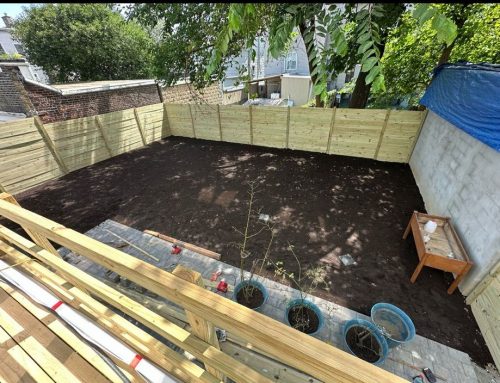
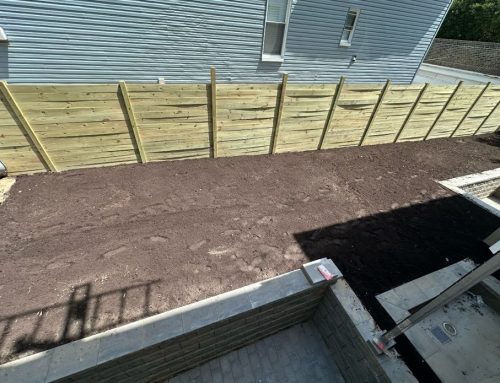
Fresh sod can only perform as well as the surface underneath it. Many Somerset County projects fail because the lawn area is not properly prepared before delivery. Common issues include compacted soil, construction debris, low spots, poor drainage, and old grass left in place.
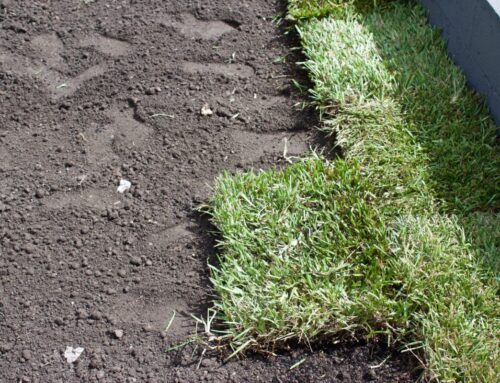
Before installation, the area should generally be cleared, graded, loosened where needed, and smoothed so the sod can make direct contact with soil. Direct soil contact helps roots move down instead of drying out on top of uneven ground.
For new construction homes in Somerset County, soil prep is especially important. Builders may leave behind compacted subsoil, ruts, stones, or uneven transitions between the driveway, walkway, patio, and lawn area. Sod can create a finished look quickly, but only when the base is ready.
Delivery logistics for Somerset County neighborhoods
Sod is heavy and time-sensitive. Delivery planning affects the whole project, especially in neighborhoods with narrow streets, long driveways, shared parking, steep slopes, or limited staging space.
Before ordering sod delivery in Somerset County, homeowners and contractors should think through:
- Where pallets can be placed without blocking traffic or damaging hardscapes
- Whether the installation area is close to the drop point
- How quickly the sod can be installed after delivery
- Whether the crew has enough labor to move sod efficiently
- Whether weather could delay installation or watering
For delivery-only and project logistics, use New Jersey Sod Company’s sod delivery in New Jersey page.
Watering after sod installation
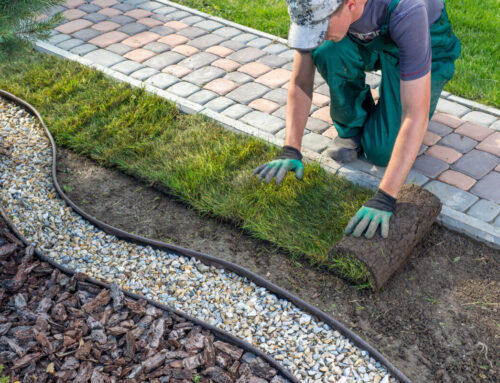
The first few weeks after installation are critical. New sod needs consistent moisture while roots knit into the soil. In Somerset County, watering needs can vary by season, shade, slope, and soil type.
A shaded Bernards Township yard may stay damp longer than a sunny Hillsborough lawn. A sloped yard in Warren or Watchung may dry unevenly or shed water too quickly. Newly graded soil around a construction home may need careful monitoring because it can dry out differently than established topsoil.
The goal is not to flood the lawn. The goal is to keep the sod and top layer of soil consistently moist while rooting begins, then gradually transition to deeper, less frequent watering as the lawn establishes.
Residential, builder, and commercial sod projects
Somerset County sod projects are not all the same. A homeowner may need a front yard replaced before a sale. A builder may need sod installed around a new construction home. A property manager may need common-area turf restored after site work or drainage repairs.
New Jersey Sod Company supports both residential sod services in New Jersey and commercial sod services in New Jersey, which is important for projects where timing, access, and finished appearance all matter.
Why choose a New Jersey sod company for Somerset County work
Out-of-state sod pages often target New Jersey towns with thin, generic content. That does not help a homeowner decide when to install, how to prep, or what to expect from delivery.
A New Jersey-based sod company can give more practical guidance because the work is built around local conditions: Northeast weather, New Jersey soils, cool-season turf expectations, county-level logistics, and the difference between spring, summer, fall, and winter dormancy.
If you are planning sod installation in Somerset County, NJ, start with the project details: location, lawn size, sun and shade, access, timing, and whether you need delivery only or full installation.
FAQ
What is the best time to install sod in Somerset County, NJ?
Spring and fall are usually the most forgiving windows because temperatures are moderate and cool-season sod can root before major stress. Summer can work with careful watering and scheduling.
Can sod be installed on new construction soil?
Yes, but the soil should be cleaned, graded, loosened where needed, and prepared before sod arrives. New construction areas often have compaction, debris, and uneven grades that need attention first.
Do I need sod delivery only or full installation?
Delivery may be enough if you have an experienced landscaper or crew ready to install immediately. Full installation is better when you need prep, timing, and finish quality managed as one project.
How soon should sod be watered after installation?
Water should begin as soon as practical after installation. The first days are especially important because the sod needs consistent moisture while roots start connecting with the soil.
Does New Jersey Sod Company work with contractors and property managers?
Yes. New Jersey Sod Company supports residential, commercial, builder, contractor, and property-manager sod needs across New Jersey.
CTA
Planning sod installation in Somerset County or another New Jersey county? Contact New Jersey Sod Company to discuss delivery, installation timing, site prep, and the best next step for your lawn or project.
Start here: contact New Jersey Sod Company.