Why Hudson County sod projects need a New Jersey-specific plan
Sod installation in Hudson County is different from a wide-open suburban lawn project. Between Jersey City, Hoboken, Bayonne, Union City, North Bergen, Secaucus, Weehawken, Kearny, and West New York, many properties have tighter access, smaller yards, shaded side lots, old fill soil, paved edges, shared driveways, and strict timing expectations from homeowners, builders, HOAs, or property managers.
That is why a local New Jersey sod plan matters. A generic multi-state delivery page may say sod can be dropped off and installed, but it rarely explains the real Hudson County details: where pallets can be staged, how quickly sod should be installed after delivery, how to prepare compacted city soil, and how to keep new turf alive through the first few weeks.
New Jersey Sod Company helps homeowners, contractors, and commercial property managers think through those local details before the sod arrives. If you are comparing options, start with New Jersey-specific guidance on sod installation in New Jersey and sod delivery in New Jersey.
Hudson County installation challenges to plan around
Tight access and pallet staging
In Hudson County, delivery access can be just as important as the sod itself. A project in a Jersey City rowhome backyard, a Hoboken brownstone courtyard, or a Bayonne side yard may not have the same staging room as a larger property in Morris or Somerset County.
Before ordering sod, confirm:
- Whether a pallet can be placed safely near the work area
- If there is driveway, curb, alley, or side-yard access
- Whether gates, fences, steps, retaining walls, or narrow walkways limit movement
- If an HOA, building manager, or municipal parking rule affects delivery timing
- How quickly the sod can be moved from the delivery point to the prepared lawn area
Good planning helps avoid sod sitting too long in a hot or inconvenient location. It also helps contractors and builders keep jobs moving when there are other trades, dumpsters, materials, or inspections happening at the same property.
For delivery-first projects, review New Jersey sod delivery options before scheduling the order.
Compacted soil, fill, and old urban lawns
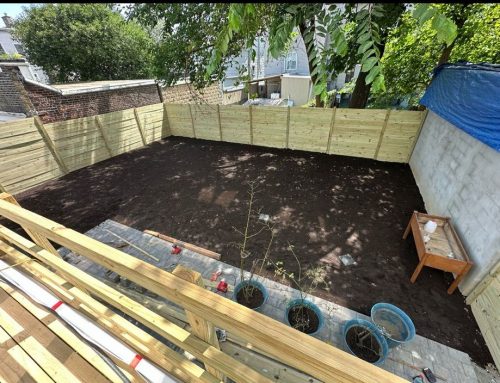
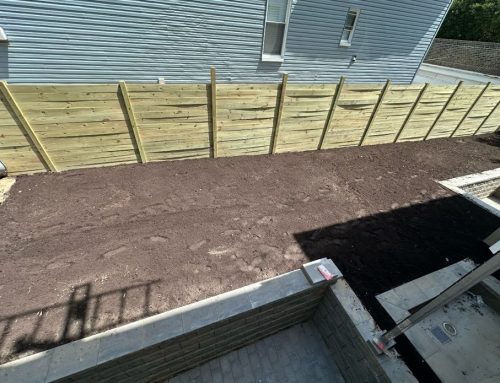
Many Hudson County lawns are built on older urban soil, mixed fill, construction-disturbed ground, or heavily compacted areas near sidewalks, patios, and foundations. Sod can root well in New Jersey, but it needs firm, prepared soil—not hardpan, rubble, debris, or uneven low spots.
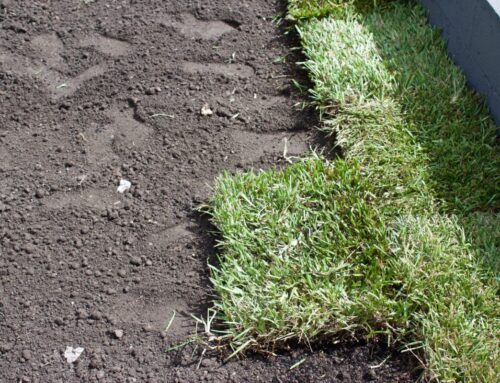
Before installation, the lawn area should generally be cleared, graded, loosened where compacted, and checked for drainage problems. The goal is not fluffy soil that sinks underfoot; it is a smooth, firm surface where sod roots can make contact with the soil below.
A rushed prep job can lead to uneven turf, dry edges, poor rooting, puddling, or seams that open after the first few mowings. That is especially noticeable in small Hudson County yards because every edge, corner, and grade change is visible.
Shade, buildings, and reflected heat
Hudson County properties often have shade from neighboring buildings, fences, mature trees, and narrow side yards. Other areas may get reflected heat from pavement, masonry, patios, or south-facing walls. Those microclimates affect how fast new sod dries out and how much sunlight the turf receives.
A front strip near a sidewalk may need closer watering attention than a shaded backyard. A courtyard with limited airflow may stay damp longer. A commercial property near pavement may dry faster on the edges. A local sod plan should account for those differences instead of using one generic watering assumption for every New Jersey property.
Best timing for sod installation in Hudson County
Spring and fall are often the most forgiving windows for sod installation in New Jersey because temperatures are milder and cool-season turf can root before severe heat or winter dormancy. Summer installation can still work when water access, scheduling, and aftercare are handled carefully, but it leaves less room for missed watering.
Hudson County homeowners, contractors, and property managers should think about:
- Spring projects after soil is workable and heavy site work is complete
- Fall projects before hard freezes and winter dormancy
- Summer projects only when immediate watering and daily attention are realistic
- New construction projects after grading, hardscape, utility, and debris work are finished
- Commercial or HOA projects where resident access and irrigation schedules need coordination
For a broader seasonal guide, see the best time to lay sod in New Jersey.
Watering new sod in dense New Jersey neighborhoods
Watering is one of the biggest make-or-break steps after sod installation. In Hudson County, it is especially important because many yards are small, irregular, shaded in some spots, and exposed to pavement heat in others.
The main goal is to keep the sod and the top layer of soil consistently moist during the early rooting period without creating runoff or puddles. Property owners should check corners, edges, and areas near concrete because those sections can dry out faster than the center of the lawn.
A few practical reminders:
- Start watering as soon as the sod is installed, not days later
- Pay extra attention to edges along sidewalks, patios, curbs, and fences
- Avoid letting seams dry out or curl
- Adjust watering for shade, rain, slope, and drainage
- Keep foot traffic limited while roots are establishing
- Coordinate with tenants, building managers, or landscape crews so watering is not missed
A beautiful sod installation can fail if aftercare is ignored. That is why Hudson County projects should include a watering plan before the first pallet arrives.
Residential, contractor, HOA, and commercial projects
New Jersey Sod Company works best when the project type is clear from the beginning. A homeowner replacing a small backyard in Hoboken has different needs than a builder finishing a new home in Secaucus or a property manager improving curb appeal at a multifamily building in North Bergen.
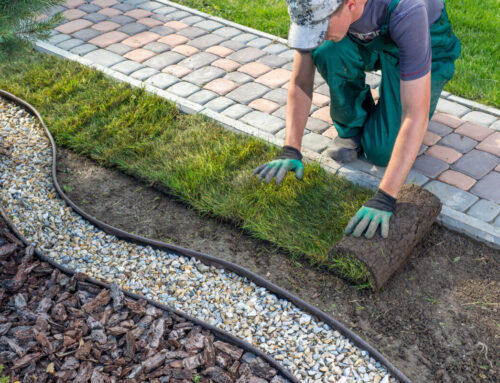
For homeowners, the focus is usually clean prep, careful installation, and a finished lawn that improves the property quickly. For contractors and builders, timing, staging, and coordination matter because sod is often one of the last visible steps before turnover. For commercial sites, HOAs, and property managers, access, safety, irrigation, and resident communication can be just as important as the turf itself.
Relevant planning pages include:
- [Residential sod services in New Jersey](https://njsod.com/residential-sod-services-new-jersey/)
- [Commercial sod services in New Jersey](https://njsod.com/commercial-sod-services-new-jersey/)
- [New Jersey sod installation guide](https://njsod.com/new-jersey-sod-installation-guide/)
What to confirm before ordering sod in Hudson County
Before scheduling sod delivery or installation, gather the details that affect the job:
- The property city or neighborhood
- Approximate lawn square footage
- Whether this is delivery only or full installation
- Site access for delivery and staging
- Current lawn condition: bare soil, old turf, weeds, construction soil, or compacted fill
- Sun and shade conditions
- Water access and who will handle watering after installation
- Any HOA, building, tenant, contractor, or parking restrictions
- Desired timing and whether the job is tied to closing, inspection, move-in, or turnover
Those details help avoid surprises and make the project easier to schedule correctly.
Why local New Jersey sod guidance beats a generic multi-state page
A broad out-of-state sod page may target New Jersey towns, but local sod success depends on more than adding a city name to a headline. Hudson County projects require practical knowledge of dense neighborhoods, small-yard logistics, Northeast cool-season timing, compacted soil, watering realities, and delivery staging.
That is where New Jersey Sod Company can create a stronger customer experience: local New Jersey focus, useful preparation guidance, and support pages built around how sod actually gets delivered and installed here.
If you are planning sod installation in Hudson County, contact New Jersey Sod Company before ordering so the project can be matched to your property, access, timing, and aftercare needs.
Ready to plan a Hudson County sod project? Start with sod installation in New Jersey, compare sod delivery in New Jersey, or contact New Jersey Sod Company to discuss your lawn.
FAQ
Do Hudson County sod projects need special delivery planning?
Many do. Tight streets, shared driveways, small yards, gates, steps, and limited staging areas can affect where sod is placed and how quickly it must be moved to the lawn area.
What is the best season for sod installation in Hudson County NJ?
Spring and fall are generally the most forgiving seasons in New Jersey. Summer installation may still work when watering is consistent and the site is ready, but it requires closer aftercare.
Can sod be installed in small city yards?
Yes. Small yards can be good candidates for sod when soil prep, drainage, access, and watering are handled properly. The smaller the yard, the more visible uneven grading and dry edges can become.
Should contractors schedule sod before or after construction cleanup?
Sod should usually come after major grading, debris removal, hardscape work, utility disruption, and heavy equipment traffic are finished. Installing too early can damage the new lawn.
Who should I contact for sod installation in Hudson County?
Use a New Jersey-focused sod company that understands local timing, delivery logistics, soil prep, and aftercare. You can start with New Jersey Sod Company’s contact page.