
Essex County lawns have a different set of sod installation challenges than a generic out-of-state delivery page can cover. A homeowner in Montclair with mature shade trees, a builder finishing a property in Livingston, and a property manager coordinating turf replacement in Newark all need the same thing: fresh sod staged correctly, installed on prepared soil, and watered aggressively during the first few weeks.
New Jersey Sod Company focuses on New Jersey conditions, timing, and delivery logistics instead of treating Essex County like one more pin on a regional map. Use this guide to plan a cleaner installation and avoid the mistakes that cause seams, dry edges, and uneven establishment.
Why Essex County Sod Projects Need Local Planning
Essex County includes dense urban properties, older suburban lots, slopes, shaded yards, tight driveways, and commercial sites where access matters. Sod can still be a strong option, but the plan should account for the site before the truck arrives.
Key local planning points include:
- Access and staging: Newark, Bloomfield, East Orange, and other denser areas may have tighter curb access than larger suburban sites.
- Shade and tree competition: Montclair, Glen Ridge, South Orange, and Maplewood properties often have mature trees that affect light, roots, and watering needs.
- Soil variation: Some lots need grading, debris removal, or topsoil correction before sod is laid.
- Timing: Spring and fall are usually easier than hot summer periods for cool-season sod establishment in North Jersey.
If you are still comparing delivery-only service with full installation, start with New Jersey Sod Company’s sod installation in New Jersey overview.
Best Timing for Sod Installation in Essex County
For most Essex County properties, the strongest windows are spring and fall. Cool-season turf has a better chance to root when temperatures are moderate and watering is easier to manage.
Spring installation
Spring can work well when the soil is workable and irrigation or hose access is ready. It is a good fit for homeowners preparing a yard before summer use, builders turning over new homes, and property managers improving curb appeal before the main growing season.
Fall installation
Fall is often one of the best windows for North Jersey sod. Cooler nights reduce stress, weeds are usually less aggressive, and the lawn can establish before winter dormancy. If the property has drainage or grading issues, handle those before scheduling sod.
Summer installation
Summer sod can succeed, but it demands careful watering and faster installation once delivered. Heat, reflected pavement, and slopes can dry edges quickly. For more timing detail, see the guide to the best time to lay sod in New Jersey.
Prep Checklist Before Sod Arrives
Sod is not a cover-up for poor soil prep. Essex County buyers should make sure the site is ready before scheduling delivery or installation.
Before the installation date:
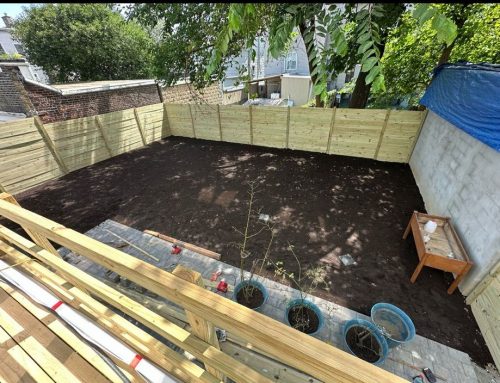
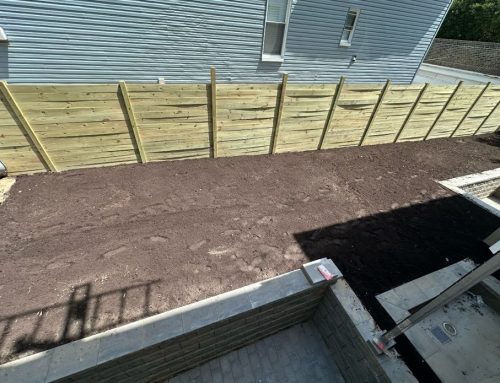
- Remove old turf, weeds, construction debris, rocks, and surface roots where practical.
- Correct low spots so water does not sit under the new sod.
- Loosen compacted soil, especially near driveways, sidewalks, and new construction areas.
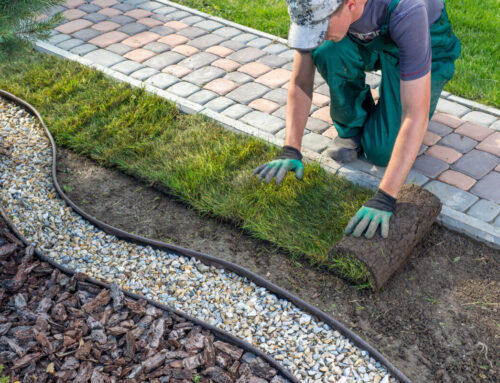
- Establish the final grade so sod sits flush with walks, patios, and curbs.
- Confirm irrigation, sprinklers, or hose coverage reaches every section of the yard.
- Plan where pallets can be placed without blocking traffic, neighbors, or crews.
For delivery-focused projects, review New Jersey Sod Company’s sod delivery in New Jersey page before ordering.
Delivery Logistics for Essex County Homes, Builders, and Commercial Sites
Essex County sod delivery often comes down to access and timing. A suburban driveway in Livingston or Fairfield is different from a tighter street in Newark, Orange, or Belleville. Builders and contractors also need to coordinate sod around final grading, irrigation, hardscaping, and certificate-of-occupancy timelines.
Helpful logistics questions:
- Can a pallet be placed close to the work area without damaging pavement or blocking access?
- Is the site ready for sod the same day it arrives?
- Are installers, landscapers, or maintenance crews scheduled before the sod dries out?
- Will HOA, municipal, or commercial site rules affect delivery timing?
- Is there enough water pressure and coverage for the first two weeks?
New Jersey Sod Company serves both homeowners and trade/commercial buyers. See the residential sod services and commercial sod services pages for the right starting point.
Watering After Sod Installation in North Jersey
The first few weeks decide whether new sod roots properly. In Essex County, sun exposure can change dramatically from one yard to the next, so watering should be adjusted by section rather than handled as one generic schedule.
General aftercare principles:
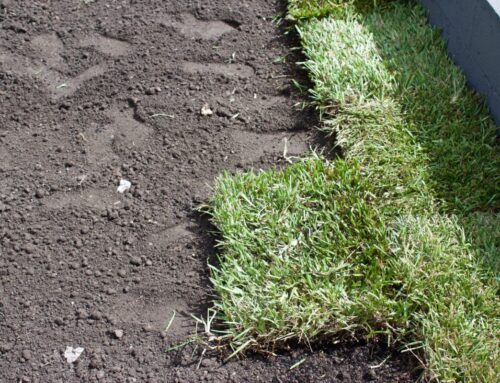
- Water immediately after installation so the sod and soil beneath it are moist.
- Keep the sod consistently damp during early rooting, especially edges and seams.
- Check shaded areas separately from full-sun areas; both can fail for different reasons.
- Reduce watering gradually after roots begin to knit into the soil.
- Avoid heavy foot traffic until the sod is firmly rooted.
If a property has slopes, compacted soil, or runoff, watering may need shorter cycles more often instead of one long soaking.
Why a NJ-Based Sod Company Beats Generic Out-of-State Pages
A broad multi-state sod page can list Essex County, but it usually cannot explain what actually affects sod success here: North Jersey timing, older shaded lots, tight delivery access, contractor staging, and cool-season establishment before winter dormancy.
A New Jersey-focused sod company can help buyers think through:
- whether spring or fall is the safer installation window,
- how to stage delivery for tight Essex County sites,
- when delivery-only makes sense versus full installation,
- how to avoid drying out sod before it is installed,
- and how to prepare soil so the new lawn roots evenly.
That local planning is what separates a serious New Jersey sod project from a generic order form.
FAQ: Sod Installation in Essex County NJ
What is the best time to install sod in Essex County?
Spring and fall are usually the most forgiving windows for cool-season sod in Essex County. Summer can work when watering is reliable, but heat makes timing and aftercare more demanding.
Can sod be delivered to tight Essex County properties?
Often, yes, but access should be discussed before delivery. Dense streets, narrow driveways, slopes, and active construction sites may affect where pallets can be placed.
Should I choose delivery-only or full installation?
Delivery-only can work when the site is fully prepped and an experienced crew is ready. Full installation is usually better when grading, soil prep, or labor coordination is uncertain.
How soon should sod be installed after delivery?
Sod should be installed as quickly as possible after delivery. The longer it sits on pallets, especially in warm weather, the more stress it experiences.
Do shaded Essex County yards need special planning?
Yes. Mature trees, root competition, and lower sunlight can affect sod selection, watering, and long-term expectations. Shade should be discussed before ordering.
Plan an Essex County Sod Project With New Jersey Sod Company
If you are planning sod installation in Newark, Montclair, Livingston, Maplewood, Bloomfield, West Orange, Glen Ridge, Nutley, Belleville, or another Essex County community, start with a New Jersey-specific plan instead of a generic regional page.
Contact New Jersey Sod Company to discuss delivery, installation, site prep, and timing for your Essex County lawn or project.