Shady yards are common in New Jersey. Mature maples, oaks, privacy trees, neighboring homes, fences, and north-facing lots can all reduce direct sunlight long before a homeowner notices the lawn thinning out. If you are planning new sod in a shaded yard, the right question is not simply “Can sod grow here?” A better question is: how much light does the area actually receive, and what needs to be fixed before fresh sod goes down?
New Jersey lawns are different from warm-climate lawns in Florida or the Gulf Coast. Most NJ properties rely on cool-season turf performance, with spring and fall offering the most forgiving sod installation windows. Shady areas add another layer of planning because grass needs enough light for rooting, recovery, and long-term density. With smart site preparation, realistic expectations, and proper post-install care, many partially shaded yards can still be improved with sod.
Start by measuring the kind of shade in your yard
Not all shade is the same. A yard that gets filtered light under high tree branches is very different from a narrow side yard that stays dark between two buildings. Before ordering sod, watch the area for a full day if possible. Note how many hours of direct sun it gets, whether the light is strongest in the morning or afternoon, and whether shade patterns change as trees leaf out in late spring.
As a practical rule, areas with several hours of direct or bright filtered light are more promising than areas that receive little to no direct sun. If the site is heavily shaded all day, sod may establish at first but thin over time. In those spots, tree pruning, landscape redesign, stepping stones, mulch beds, or a smaller grass area may be better than forcing turf where conditions do not support it.
Choose sod with New Jersey conditions in mind
The best sod decision for a shady New Jersey yard depends on the property, the season, and the level of sunlight available. Cool-season lawns generally handle the Northeast climate better than warm-season assumptions imported from southern markets. That matters because New Jersey lawns must deal with cold winters, spring growth, humid summers, leaf drop, and fall recovery.
Homeowners sometimes ask whether Zoysia sod in New Jersey is the answer for difficult areas. Zoysia can be useful in the right setting, but it is not a magic fix for deep shade. It is also a warm-season grass, so its growth cycle and winter dormancy differ from typical cool-season NJ lawns. If the yard is shaded, the conversation should include sunlight, expectations, and long-term maintenance instead of focusing on one grass name alone.
For homeowners who want help matching turf choice to the property, New Jersey Sod Company’s residential sod services in New Jersey can help frame the decision around the actual site: front yard curb appeal, backyard use, pets, slopes, tree cover, and irrigation access.
Soil preparation matters even more in shady areas
Shade is not the only problem under trees and along foundations. Shaded soil often stays cooler and wetter after rain. Tree roots compete for moisture and nutrients. Leaves and debris can block light at the turf surface. Compacted soil from foot traffic, construction, or old lawn failure can make it harder for new sod roots to knit into the ground.
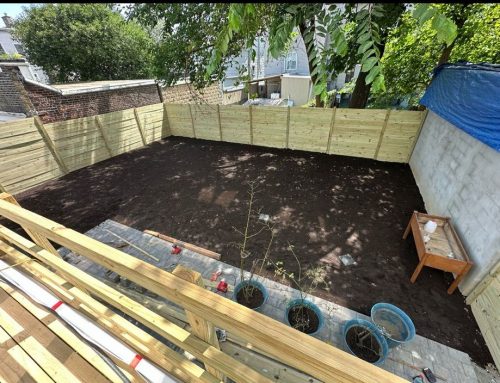
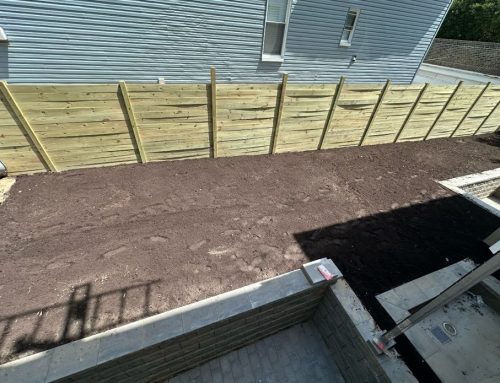
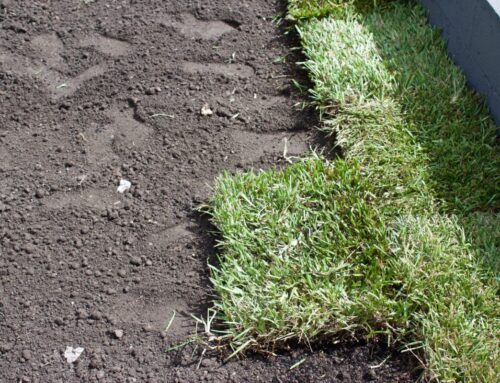
Before installation, the old lawn or failed turf should be removed as needed, the grade should be checked, and the soil surface should be prepared so new sod has good contact. Low spots that collect water should be addressed before the sod arrives. If water sits in a shaded area for long periods, fresh sod may struggle because roots need oxygen as well as moisture.
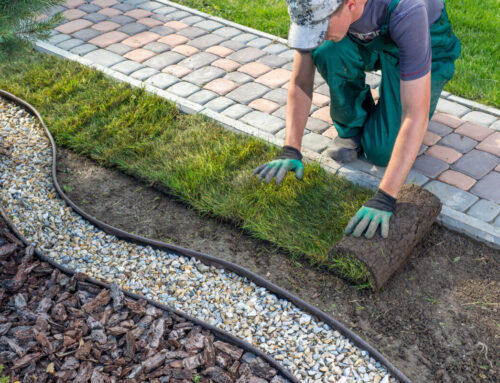
Professional sod installation in New Jersey is especially valuable when shade is only one of several issues. A good installation plan considers soil contact, seams, grading, timing, and watering logistics so the new lawn has the best possible start.
Time the project for spring or fall when possible
Because New Jersey has real winter dormancy and hot summer stress, timing matters. Spring and fall are usually better windows for sod projects than the hottest part of summer, especially in yards where sunlight is limited. Cooler weather helps reduce moisture stress while the sod is rooting. Fall can be particularly attractive because tree canopies begin to thin, temperatures moderate, and the lawn can establish before winter.
That does not mean every shaded sod project must wait for a perfect calendar date. Delivery access, construction schedules, irrigation readiness, and property use all matter. But if you have flexibility, review New Jersey timing guidance before booking the work. The site’s guide to the best time to lay sod in New Jersey is a helpful planning resource.
Plan watering carefully: shaded sod still needs moisture
One mistake homeowners make is assuming shade means watering is not as important. Newly installed sod still needs consistent moisture while the roots establish. The difference is that shaded areas may dry more slowly than full-sun areas, so the watering plan should be monitored rather than guessed.
Check the sod and soil by feel. The goal during establishment is to keep the root zone appropriately moist without creating soggy conditions. Too little water can cause edges and seams to dry out; too much water in a shady, poorly drained pocket can encourage shallow rooting and stress. After establishment, shaded lawns often need less frequent watering than hot full-sun areas, but they still need attention during dry stretches.
For a broader care framework, use the New Jersey sod care and maintenance guide. It covers the kind of aftercare that helps new sod transition from a delivered product into a living lawn.
Do not mow shaded sod too aggressively
Shaded grass needs as much leaf surface as it can reasonably keep. Cutting too short reduces the plant’s ability to capture light, which is already limited. After new sod has rooted enough for the first mow, avoid scalping. Keep mower blades sharp, remove only a moderate amount of leaf blade at a time, and avoid mowing when the soil is soft or saturated.
Leaf cleanup also matters. In autumn, fallen leaves can quickly smother shaded sod. A thick layer of leaves blocks sunlight, traps moisture, and can weaken the turf before winter. Regular cleanup is part of protecting the investment, especially under mature trees in Bergen, Essex, Morris, Union, Monmouth, Middlesex, and other tree-heavy New Jersey communities.
Think through delivery and staging before install day
Shady yards often come with practical access challenges: narrow side gates, fenced backyards, tree roots near the driveway, sloped lots, and limited staging space. Fresh sod should be installed promptly, so the delivery and installation plan should fit the property. Make sure the crew or installer understands where sod can be staged, how far it must be moved, and whether any obstacles could slow the project.
If you are coordinating your own project, review sod delivery in New Jersey options before choosing a delivery date. For contractors and property managers, delivery timing can be just as important as quantity because sod quality depends on keeping the job moving once material arrives.
When sod may not be the best answer
A high-quality sod project should include honest expectations. If a section of the yard receives almost no sunlight, has major tree-root competition, or stays wet for days after rain, sod may not deliver a durable lawn there without site changes. That does not mean the whole property is a bad candidate. Many yards benefit from sodding the usable lawn areas while redesigning the deepest shade zones with mulch, shade-tolerant plantings, or hardscape paths.
The best outcome is a yard plan that works with New Jersey conditions instead of fighting them. That may mean pruning for more light, improving drainage, adjusting irrigation, installing sod in the strongest lawn areas, and treating deep shade as a separate landscape problem.
FAQ: Sod for shady yards in New Jersey
Can sod grow in a shady New Jersey backyard?
Yes, sod can work in many partially shaded New Jersey yards, especially where the area receives several hours of direct or bright filtered light. Deep, all-day shade is more challenging and may require pruning, drainage improvements, or a different landscape approach.
Is fall a good time to install sod in a shady yard?
Fall is often a strong window for New Jersey sod because temperatures are cooler and moisture stress is lower. It can be especially helpful for shaded yards, though leaf cleanup and pre-winter rooting still need attention.
Should I water shaded sod less?
New sod still needs consistent moisture during establishment, even in shade. However, shaded areas may dry more slowly, so monitor the soil instead of following a one-size-fits-all schedule.
Will Zoysia solve shade problems in New Jersey?
Zoysia can be useful for certain New Jersey properties, but it is not a universal solution for deep shade. Sunlight, soil, winter dormancy, and maintenance expectations should all be reviewed before choosing a sod type.
Get help planning a shaded NJ sod project
If you are trying to fix a thin, shaded, or patchy lawn, New Jersey Sod Company can help you think through sod delivery, installation timing, and aftercare for local conditions. Call (862) 201-3101 to discuss your yard, or start with the site’s New Jersey sod service pages to plan the next step.