
New construction sod installation in New Jersey is different from replacing a tired lawn. The yard may look open and easy to work with, but construction traffic, compacted subsoil, grading changes, drainage issues, and tight closing schedules can make or break the finished lawn. Whether you are a homeowner moving into a newly built house, a builder preparing several lots, or a contractor finishing an exterior punch list, sod performs best when the site is planned before the truck arrives.
New Jersey Sod Company helps customers think through the practical details: how much sod is needed, when it should be delivered, what the soil needs before installation, and how the lawn should be watered after it is laid. This guide covers the key decisions for new homes, additions, rebuilds, subdivisions, and commercial projects across New Jersey conditions.
Why new construction lawns need extra planning
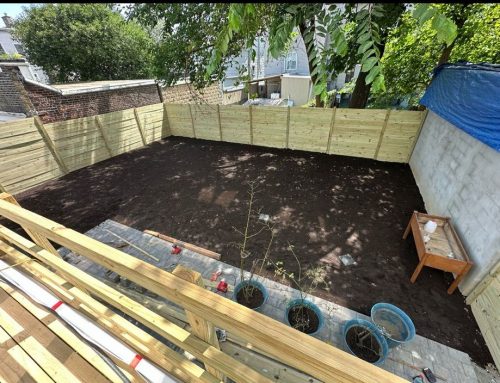
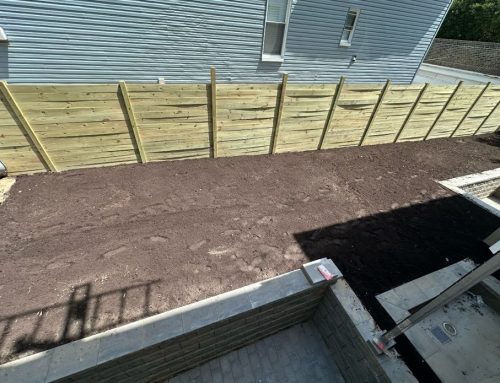
On an established property, the lawn area has usually been growing turf for years. On a new construction site, the “lawn” may be exposed fill, clay, sandy material, disturbed topsoil, or a mix of all three. Heavy equipment can compact the ground, roof runoff may not be fully tested yet, and final grading may continue until late in the project.
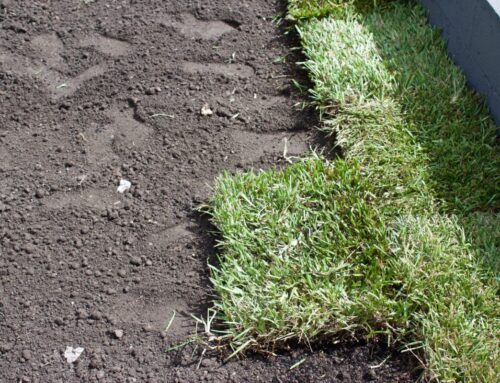
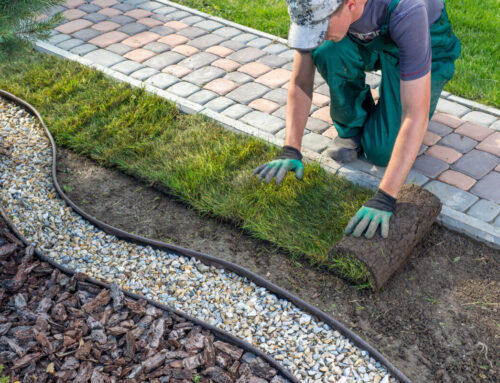
Sod gives a new property an immediate finished look, but it is not a shortcut around preparation. Fresh sod needs good soil contact, a smooth grade, consistent moisture, and a realistic plan for foot traffic. If sod is installed over hard, uneven, or poorly drained soil, the lawn can struggle even when the sod itself is fresh.
For many New Jersey homeowners and builders, the best approach is to coordinate sod delivery in New Jersey with the final grading and irrigation or hose setup, not simply order sod as the last item on the checklist.
Best timing for new construction sod in New Jersey
New Jersey lawns are typically built around cool-season turf timing. Spring and fall are often the most forgiving windows because temperatures are moderate and the sod can root before the stress of summer heat or winter dormancy. Late spring and summer installations can still succeed, but watering discipline becomes much more important, especially on open new-construction lots with full sun and wind exposure.
For a deeper seasonal breakdown, see the New Jersey Sod Company guide to the best time to lay sod in New Jersey. The short version for new construction is this: install when the site is truly ready, but do not ignore weather. A rushed installation before final grade, during active utility work, or before watering is available can create more problems than waiting for the right window.
Soil preparation comes before the sod order
New construction soil often needs more attention than a quick rake. Before sod is delivered, the lawn area should be cleared of construction debris, stones, roots, concrete washout, and leftover materials. The grade should direct water away from the home while avoiding low spots where water can sit under the sod. Soil should be loosened enough for roots to establish, then firmed so the surface is stable and even.
It is also important to think about topsoil quality. Some properties have usable topsoil on site; others need amendment or additional material depending on what was disturbed during construction. New Jersey properties can vary widely from heavier clay-like soils to sandier coastal or fill conditions, so the right prep depends on the site.
If you are still in the prep stage, start with our guide on how to prepare New Jersey soil before sod installation and then coordinate the final order once the area is ready to receive sod.
Measure the lawn area before scheduling delivery
New homes often have irregular lawn zones: front yard strips, side yards, rear patios, walkways, utility easements, drainage swales, and future landscape beds. Measuring only the lot size can lead to the wrong order. Instead, measure the actual areas that will receive sod and separate them into simple rectangles, strips, or sections.
New Jersey Sod Company provides a New Jersey sod calculator and buying guide to help estimate square footage and think through ordering. It is smart to plan for reasonable waste from cuts around curves, sidewalks, driveways, and beds, but exact quantities should be based on the measured project layout.
For builders and contractors, accurate measurements also help with staging. If multiple lots or phases are involved, sod should be ordered and installed in a sequence that matches crew availability and watering capacity.
Delivery access and staging matter on active job sites
Fresh sod should be installed promptly after delivery. On a new construction site, that means the drop location matters. Think about driveway access, curb space, road restrictions, soft soil, dumpsters, material piles, and whether other trades will still need to move through the property. A convenient pallet location can save time and reduce unnecessary handling.
For residential projects, the goal is usually simple: place the sod close enough to the work area while keeping it out of the way of vehicles and foot traffic. For commercial sod services in New Jersey or builder projects, staging may need to account for parking lots, sidewalks, safety barriers, and multiple installation zones.
If the site has narrow access, newly poured concrete, steep grades, or limited street parking, discuss those conditions before scheduling. Good logistics help protect the sod and keep the installation moving.
Watering setup should be ready before installation day
One of the biggest mistakes on new construction lawns is installing sod before the watering plan is ready. Fresh sod needs consistent moisture while roots knit into the soil. If hoses, sprinklers, irrigation zones, or water access are not available, the lawn can dry out quickly, especially in sunny New Jersey summer conditions.
Before installation, confirm that water is turned on, hoses can reach all areas, and someone is responsible for watering immediately after the sod is laid. If an irrigation system is being installed, make sure the schedule, coverage, and timing are coordinated with the sod installation rather than handled days later.
After the lawn is installed, follow a practical early-care plan. New Jersey Sod Company’s sod care and maintenance guide explains how watering, mowing, and traffic should change as the lawn begins to root.
Homeowners, builders, and contractors have different priorities
For homeowners, the priority is usually a durable, attractive lawn that is ready for everyday life. That means clear expectations about watering, pets, children, mowing, and when the yard can handle regular use. Residential sod services in New Jersey can help turn a bare new-construction yard into a finished lawn without waiting through a long seed establishment period.
For builders and contractors, the priorities are often timing, consistency, and site coordination. Sod may need to be installed before a listing photo shoot, closing, inspection, tenant turnover, or grand opening. The key is to avoid treating sod as an afterthought. A realistic schedule should include final grading, cleanup, delivery, installation, watering, and protection from immediate heavy traffic.
When to call New Jersey Sod Company
If you are planning sod for a new home, addition, rebuild, development lot, or commercial property, New Jersey Sod Company can help you think through the next step. Call (862) 201-3101 to discuss sod delivery, installation timing, square footage, and site readiness.
You can also start with the main sod installation in New Jersey page if you want professional installation support, or the sod delivery page if your team is handling the installation and needs fresh sod delivered to the project.
FAQ: New construction sod installation in New Jersey
Can sod be installed right after construction ends?
Yes, but only after the lawn area is cleaned, graded, loosened, and ready for root contact. Sod should not be installed over construction debris, compacted soil, or areas that still need utility or drainage work.
Is spring or fall better for new construction sod in New Jersey?
Spring and fall are often the most forgiving seasons for cool-season lawns in New Jersey. Summer installations can work when the site is prepared and watering is consistent, but heat makes the first weeks more demanding.
How soon does new sod need water?
Fresh sod should be watered immediately after installation and kept consistently moist during the early rooting period. The exact schedule depends on weather, soil, shade, and season, but waiting until the next day is risky in warm or windy conditions.
Do builders need to order sod differently than homeowners?
The same basic principles apply, but builder and contractor projects often need more staging coordination. Multiple lots, access limits, inspection schedules, and watering responsibility should be planned before delivery.
Who should I call for sod delivery or installation in New Jersey?
Call New Jersey Sod Company at (862) 201-3101 to discuss your project, square footage, timing, and whether delivery or professional installation is the right fit.