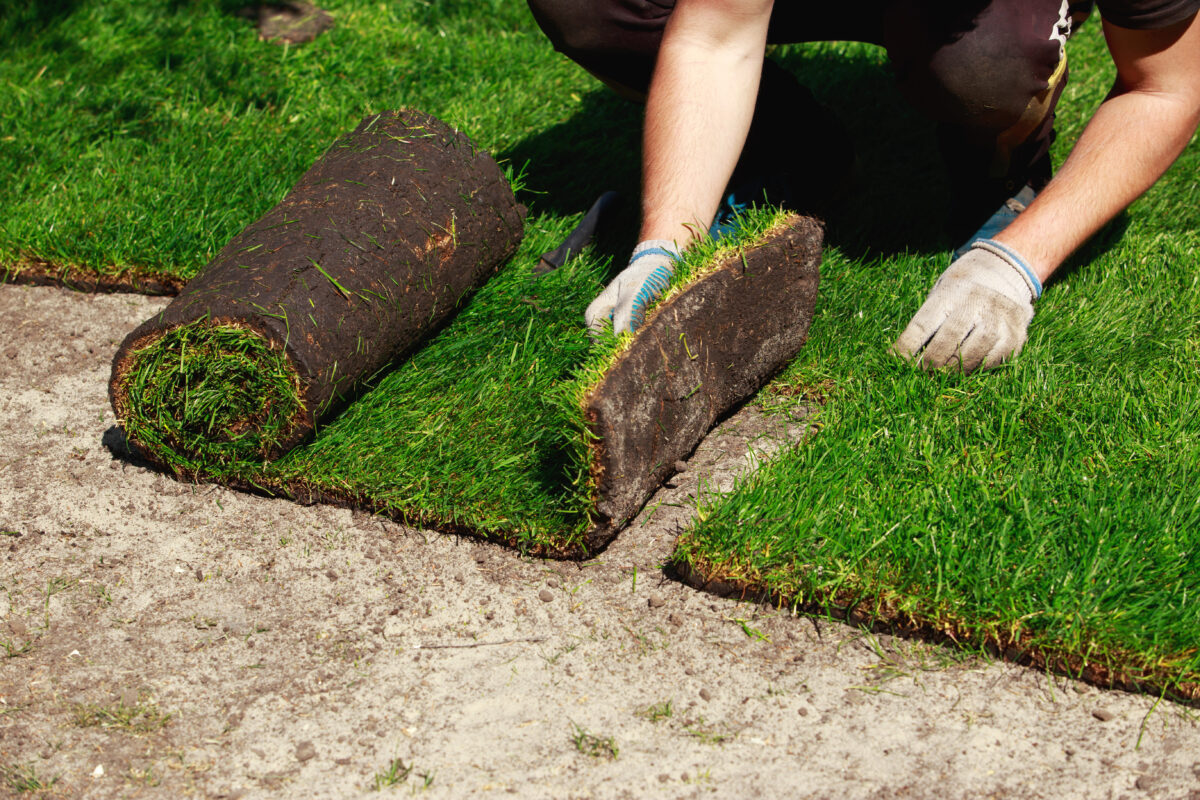
New Jersey homeowners, builders, and property managers often ask a simple question before ordering sod: should the lawn be Kentucky bluegrass, tall fescue, or a cool-season blend? The honest answer depends on the property. A sunny Bergen County front lawn, a shaded Morris County backyard, a new construction lot in Middlesex County, and a Shore-area rental property near Ocean or Monmouth County can all have different needs.
That is where a New Jersey-focused sod company has an advantage over a generic out-of-state delivery page. The right recommendation should account for local shade, soil, irrigation, foot traffic, timing, and how the lawn will be used after installation. This guide explains the practical differences between Kentucky bluegrass and tall fescue so New Jersey buyers can ask better questions before scheduling sod delivery in New Jersey or a full New Jersey sod installation.
Why New Jersey lawns usually need cool-season thinking
Most New Jersey lawns are managed around cool-season growth patterns. Spring and fall are typically the strongest establishment windows because temperatures are milder, the soil is workable, and the new lawn has a better chance to root before summer stress or winter dormancy. Summer installation can still be possible, but it puts more pressure on watering, delivery timing, and site preparation.
That matters when comparing grass types. The best sod choice is not only about what looks green on day one. It is about how the lawn handles New Jersey’s changing seasons: humid summers, cold winters, freeze-thaw cycles, shade from mature trees, compacted clay or fill soils, and heavy use from kids, pets, tenants, customers, or HOA common areas.
Kentucky bluegrass: dense color and strong recovery in the right conditions
Kentucky bluegrass is popular for a reason. When conditions are right, it can create a dense, attractive lawn with a fine-to-medium texture and rich color. One of its biggest strengths is its ability to spread through underground rhizomes, which helps the turf knit together and recover from minor wear over time.
Where Kentucky bluegrass can perform well in New Jersey
- Sunny residential lawns where appearance is a high priority.
- Front yards and visible curb-appeal areas in counties such as Bergen, Essex, Union, Somerset, and Mercer.
- Properties with reliable irrigation or owners committed to careful first-month watering.
- Lawns that need a dense, traditional Northeast look when soil prep and maintenance are handled properly.
What to watch with Kentucky bluegrass
Kentucky bluegrass may need more attentive watering and maintenance than some homeowners expect, especially during hot, dry stretches. It also prefers good sunlight. In heavier shade, compacted soil, or areas with inconsistent irrigation, it may thin out or struggle unless the site is corrected and the grass selection is adjusted.
Tall fescue: durability, deeper roots, and better tolerance for tougher sites
Tall fescue is valued for durability. Modern turf-type tall fescues can look much finer and more lawn-like than older pasture-style fescues, while still offering practical advantages for many New Jersey properties. Tall fescue is often considered when the lawn needs to handle heat, moderate drought stress, traffic, or less-than-perfect soil conditions.
Where tall fescue can make sense in New Jersey
- Backyards with activity from children, pets, gatherings, or frequent foot traffic.
- Commercial and HOA areas where durability matters as much as appearance.
- Transition areas with mixed sun and partial shade, especially where bluegrass alone may struggle.
- Sites with heavier soils or summer stress, assuming preparation and watering are still done correctly.
What to watch with tall fescue
Tall fescue can be durable, but it does not spread exactly like Kentucky bluegrass. If a section is severely damaged, it may not fill itself in the same way. Texture and appearance also vary by variety and blend, which is why buyers should avoid choosing based on a name alone. Ask what is appropriate for the property, not just what sounds familiar.
Bluegrass vs tall fescue: the practical New Jersey comparison
| Factor | Kentucky Bluegrass | Tall Fescue |
|---|---|---|
| Best visual use | High-curb-appeal lawns with good sunlight | Durable lawns with mixed use and tougher conditions |
| Recovery | Can spread and recover from minor thinning | Durable, but severe damage may need repair |
| Shade tolerance | Usually prefers more sun | Often more adaptable in partial shade |
| Summer stress | Can need attentive watering | Often selected for better heat/drought tolerance |
| Common NJ fit | Sunny front lawns, appearance-focused homes | Backyards, rentals, HOAs, commercial sites, mixed conditions |
Many New Jersey properties benefit from a blend, not a single-label answer
On real job sites, the decision is not always “100% Kentucky bluegrass” versus “100% tall fescue.” Many Northeast sod recommendations involve blends or site-specific selections designed to balance color, density, shade tolerance, traffic tolerance, and maintenance expectations.
For example, a residential property in Somerset County may have a sunny front lawn, a shaded side yard, and a compacted backyard where kids and pets play. A commercial property in Hudson or Middlesex County may need durable turf that can handle foot traffic and irrigation limits. A Shore property in Monmouth, Ocean, Atlantic, or Cape May County may have different soil and exposure concerns than an inland North Jersey property. A generic multi-state sod page usually does not explain those differences well enough.
Timing still matters as much as grass type
Even the right grass can fail if the timing, preparation, or watering plan is wrong. In New Jersey, spring and fall are often preferred because new sod can root in cooler weather. If installation is planned during hotter months, the buyer should be ready for tighter delivery coordination, faster installation, and consistent watering immediately after the sod is laid.
Before choosing a grass type, review the best time to lay sod in New Jersey and think through access, irrigation, shade, drainage, and soil prep. Contractors and builders should also coordinate delivery so pallets are staged close to the work area and installed quickly, instead of sitting in heat longer than necessary.
Questions to ask before ordering sod in New Jersey
- How much direct sun does the lawn get in summer?
- Is the site mostly front-yard curb appeal, backyard use, commercial traffic, or HOA common space?
- Is irrigation installed, temporary, or fully manual?
- Is the soil compacted, rocky, sandy, clay-heavy, or recently disturbed from construction?
- Will the sod be installed in spring, summer, fall, or close to winter dormancy?
- Do you need delivery only, or do you need professional installation and prep guidance?
Those answers help determine whether Kentucky bluegrass, tall fescue, another cool-season option, or a blend is the better fit.
For homeowners, contractors, and property managers
Homeowners usually care about curb appeal and long-term maintenance. Contractors and builders need reliable delivery timing, staging, and a finished look that helps close out the job. HOAs and property managers care about durability, appearance, and minimizing callbacks across common areas. Each group may need a slightly different recommendation.
New Jersey Sod Company supports both residential sod services in New Jersey and commercial sod services in New Jersey, so the conversation can stay focused on the actual property rather than a generic grass chart.
Bottom line: choose the sod around the site, not the label
Kentucky bluegrass can be a strong choice for attractive, sunny New Jersey lawns with good maintenance. Tall fescue can be a better fit for many practical New Jersey sites that need durability, partial-shade tolerance, or stronger summer performance. The best answer depends on the property, the season, and the expectations after installation.
If you are comparing sod options for a New Jersey home, builder project, commercial property, or HOA, start with the site conditions and timing. Then talk with a NJ-based sod company that understands local lawns, delivery logistics, and cool-season installation windows.
Ready to choose the right sod for your property? Contact New Jersey Sod Company through the contact page to discuss delivery, installation, timing, and the best sod direction for your New Jersey lawn.
FAQ: Kentucky bluegrass vs tall fescue in New Jersey
Is Kentucky bluegrass good for New Jersey lawns?
Yes, Kentucky bluegrass can work well for many New Jersey lawns, especially sunny areas where appearance and density are priorities. It still needs proper soil preparation, watering, and seasonal care.
Is tall fescue better for shade in New Jersey?
Tall fescue is often considered for mixed sun and partial shade, but no sod performs well in deep shade without addressing the site. Tree cover, drainage, soil compaction, and watering all matter.
Which is better for pets and kids?
Tall fescue is often chosen for durability and traffic tolerance, while Kentucky bluegrass can recover from minor wear because it spreads. The best choice depends on how much traffic the lawn gets and how it will be maintained.
Can I install either grass type in summer?
Summer sod installation can be possible, but it requires careful watering and fast installation after delivery. Spring and fall are often easier establishment windows for New Jersey lawns.
Should contractors choose a different sod than homeowners?
Sometimes. Contractors and builders may prioritize delivery coordination, fast establishment, and a clean closeout appearance, while homeowners may focus more on long-term look and maintenance. A site-specific recommendation is better than a one-size-fits-all answer.