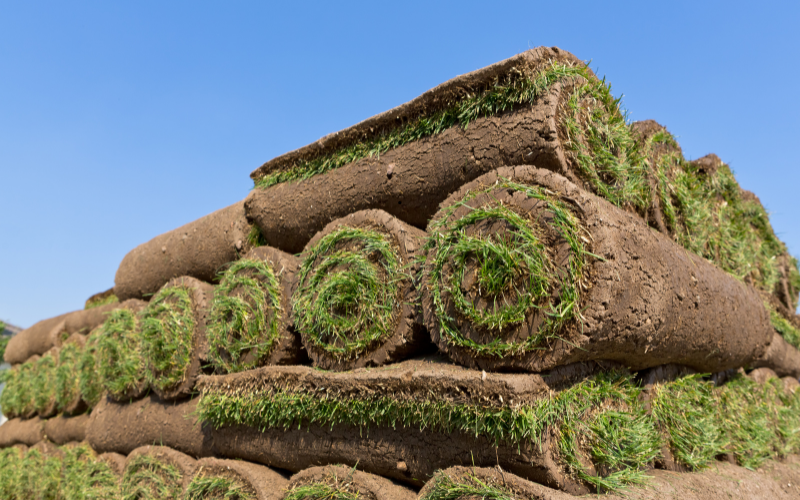
Ordering sod is not the same as buying seed. Once fresh sod arrives, it needs to be installed quickly, watered correctly, and matched to the real shape of the property. That makes measurement especially important for New Jersey homeowners, contractors, builders, HOAs, and commercial property managers who want a clean lawn without costly delays or extra waste.
The good news is that you do not need an engineering drawing to get started. A careful square-foot estimate, a reasonable waste allowance, and a quick review of delivery access can help you plan a smoother project. This guide explains how to estimate how much sod to order for a New Jersey yard and when to ask New Jersey Sod Company for help before scheduling delivery or installation.
Start with the total square footage
Most sod planning begins with square footage. For a simple rectangular lawn, multiply length by width. A 40-foot by 25-foot area is 1,000 square feet. If the lawn is an L-shape, divide it into rectangles, measure each section, and add the totals together. For curved front lawns, side yards, pool areas, or strips along a driveway, break the project into smaller shapes and round slightly upward.
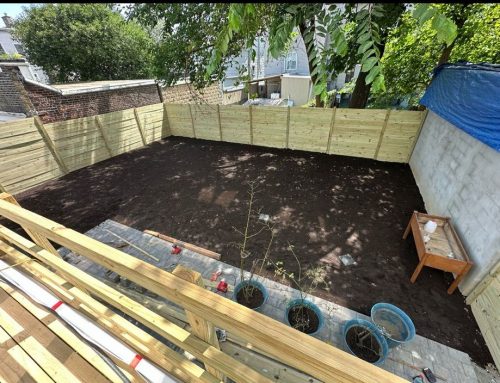
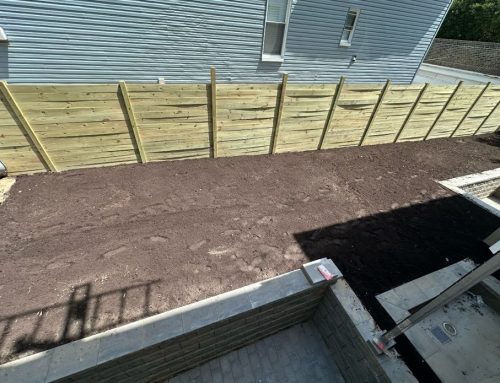
New Jersey properties often include irregular edges: planting beds, walkways, patios, retaining walls, shade trees, utility boxes, and narrow side-yard runs. Measuring each zone separately reduces guesswork. If you are replacing only damaged sections instead of the whole lawn, mark the exact repair areas and measure those patches individually.
For a deeper planning walkthrough, use the New Jersey sod calculator and buying guide as your starting point. It helps connect your square-foot estimate with the ordering questions that matter before delivery day.
Add a waste allowance for cuts and edges
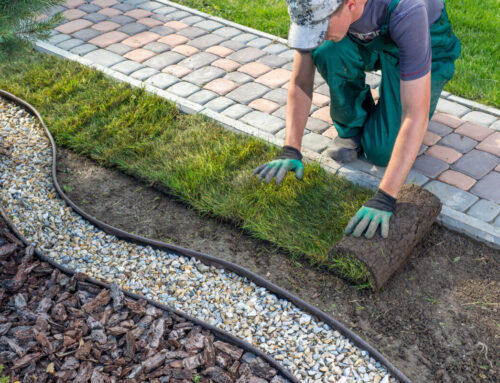
Even a well-measured yard needs a small cushion. Sod must be cut around beds, curbs, sidewalks, irrigation heads, fences, tree rings, and driveway edges. Straight rectangular lawns may need only a modest waste allowance, while tight corners and curved borders can require more material. Ordering exactly the measured square footage often creates problems at the end of the job, especially when the final few pieces need to fit visible edges.
Instead of thinking of waste as “extra,” think of it as part of getting a finished lawn. It gives the installer room to stagger seams, trim clean edges, and avoid stretching pieces too thin. If you are doing the installation yourself, a cushion is even more useful because cuts can be less efficient when you are learning as you go.
Match your order to the project type
A residential backyard in Bergen County, a curb strip in Essex County, and a commercial frontage in Middlesex County can all require different planning. Homeowners often care most about curb appeal, pet areas, shade, and how quickly children can use the yard again. Contractors may need sod staged around other trades, hardscape work, or a final inspection schedule. Commercial properties may need delivery coordinated around parking lots, entrances, tenants, or irrigation checks.
If your project is a typical home lawn, review New Jersey Sod Company’s residential sod services in New Jersey. If you are planning a business, municipal, builder, or property-management project, the commercial sod services page is the better internal resource.
Consider delivery access before finalizing the order
Quantity is only one part of a sod order. Fresh sod also has to arrive where it can be unloaded and installed efficiently. Many New Jersey properties have narrow streets, shared driveways, steep grades, tight gates, mature landscaping, or limited street parking. Delivery access can affect staging, timing, and how quickly the sod moves from the drop point to the prepared soil.
Before scheduling, think through where the sod can safely be placed, whether the area is close to the installation zone, and whether any vehicles, dumpsters, materials, or construction equipment will block access. For logistics questions, visit sod delivery in New Jersey or call (862) 201-3101.
Do not measure until the lawn area is defined
One common mistake is measuring before the final lawn shape is set. If a patio is being expanded, a walkway is being added, a bed line is changing, or grading is still underway, your first measurement may be wrong. The best time to confirm the sod quantity is after the lawn limits are clear and before the installation date is locked in.
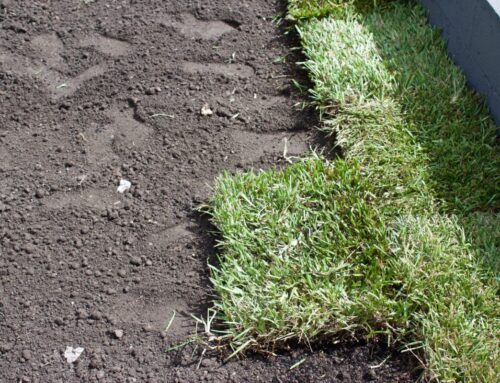
Soil preparation also matters. Sod performs best when it is installed on a properly prepared surface, not over compacted soil, construction debris, old weeds, or uneven low spots. If you want professional help beyond delivery, review sod installation services in New Jersey so the measurement, prep, delivery, and install plan work together.
Plan around New Jersey weather and seasonality
New Jersey sod projects are shaped by cool-season lawn conditions. Spring and fall are often attractive windows because temperatures are milder and watering can be easier than during peak summer heat. Summer installs can still be successful, but they require close attention to watering and fast installation after delivery. Winter dormancy and frozen ground can limit what makes sense depending on timing and site conditions.
If you are deciding whether now is the right time, read the guide to the best time to lay sod in New Jersey. Timing does not change your square footage, but it can change how quickly the sod needs to be installed, how carefully it must be watered, and how much support you may want from a professional crew.
Prepare for watering before the sod arrives
Ordering the right amount of sod will not help if the new lawn dries out after installation. Before delivery, make sure hoses, sprinklers, irrigation zones, timers, or temporary watering plans are ready. Fresh sod needs consistent moisture while roots begin to knit into the soil. Corners, slopes, sunny areas, and strips along pavement can dry out faster than shaded areas.
After installation, follow a practical care plan instead of guessing. The New Jersey sod care and maintenance guide covers the post-install basics that protect the investment you just measured and ordered.
When to call before ordering
Call before ordering if your property has multiple disconnected lawn areas, a large commercial footprint, steep slopes, extensive curves, uncertain bed lines, or a tight deadline. It is also smart to ask for guidance if you are coordinating with a builder, landscaper, hardscape contractor, irrigation contractor, or property manager. A short conversation can prevent under-ordering, over-ordering, and delivery-day confusion.
New Jersey Sod Company can help you think through measurement, delivery, and installation options for your property. For help planning your sod order, call (862) 201-3101 or start with the calculator guide and service pages linked above.
FAQ: Ordering sod for a New Jersey yard
How do I calculate how much sod I need?
Measure each lawn section in feet, multiply length by width, and add the totals. For irregular areas, divide the yard into smaller rectangles or manageable shapes. Then add a reasonable cushion for cuts around beds, walkways, trees, fences, and curves.
Should I order extra sod?
In most projects, yes. A small waste allowance helps cover trimming, seam staggering, and irregular edges. The right cushion depends on the shape of the lawn and how many obstacles or curved borders the installer must work around.
Can New Jersey Sod Company install the sod too?
Yes, New Jersey Sod Company provides sod installation services as well as delivery. Professional installation is especially helpful for larger yards, commercial properties, tight timelines, or lawns that need careful soil preparation before sod is laid.
What should I have ready before delivery?
Have the lawn area prepared, delivery access clear, and a watering plan ready. Move vehicles, materials, and obstacles away from the staging area. If irrigation is installed, confirm it works before the sod arrives.
Who should I call for help with a sod order in New Jersey?
Call New Jersey Sod Company at (862) 201-3101 for help planning sod delivery or installation in New Jersey.