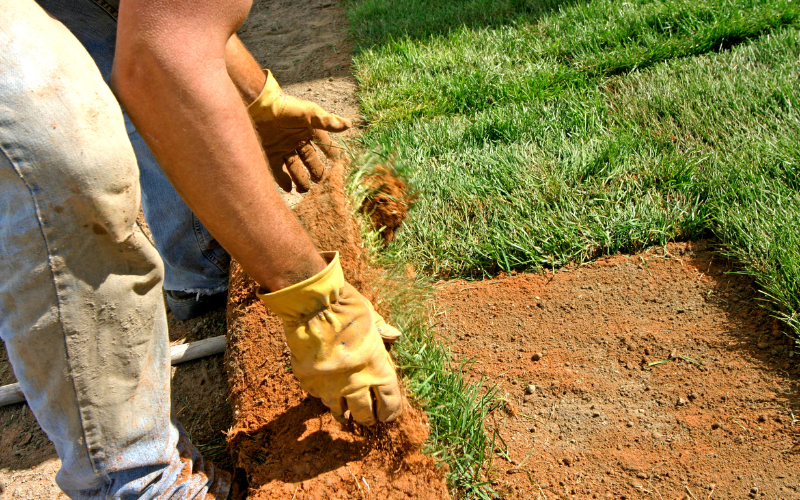
Fall can be one of the strongest windows for a new lawn in New Jersey. Cooler air, warm soil, and more manageable watering conditions can all help fresh sod establish before winter. The key is planning the project correctly so the sod is installed on prepared soil, watered immediately, and given enough time to root before hard freezes arrive.
This checklist is designed for New Jersey homeowners, landscapers, builders, and property managers who are planning a fall sod project and want a smoother installation from delivery through establishment.
Why Fall Works Well for Sod Installation in New Jersey
New Jersey lawns often face heat stress during the summer and dormancy pressure during the winter. Fall creates a useful middle ground. The weather is usually cooler than July or August, but the ground may still be warm enough to support root growth. That combination can reduce stress on new sod compared with peak summer installation.
Fall installation can be especially useful for properties that need a finished lawn quickly, including homes going on the market, new construction projects, commercial sites, and yards damaged by summer wear. If you are comparing timing options, the broader best time to lay sod in New Jersey guide is a helpful companion resource.
1. Confirm the Area and Measure Before Ordering
Before scheduling delivery or installation, measure the lawn area carefully. A simple square footage estimate helps determine how many rolls or pallets are needed and reduces the chance of over-ordering or coming up short on installation day.
- Measure the length and width of each lawn section.
- Break irregular spaces into smaller rectangles or triangles.
- Account for waste around curves, beds, walkways, and edges.
- Confirm whether the project is delivery-only or full installation.
If you are unsure how much sod you need, use the New Jersey sod calculator and buying guide before placing an order.
2. Remove Old Grass, Weeds, and Debris
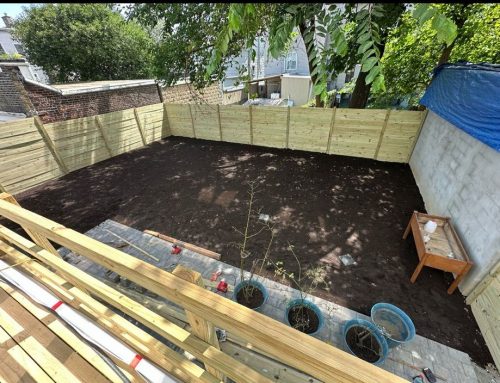
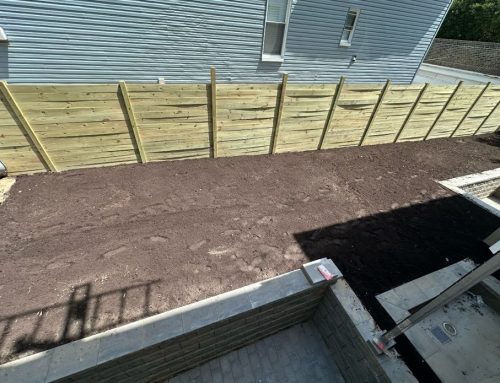
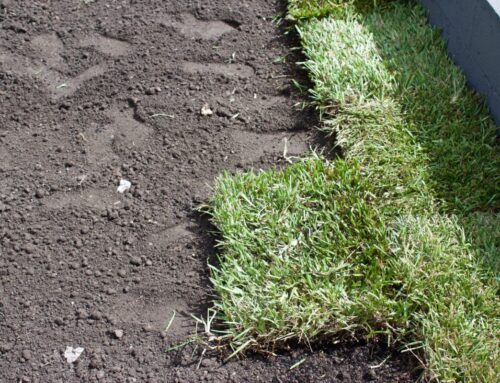
Fresh sod performs best when it is placed on clean, prepared soil. Installing over old grass, thick weeds, rocks, roots, or compacted debris can prevent the new sod from making strong soil contact. Poor soil contact is one of the most common reasons a new lawn struggles after installation.
For fall projects, preparation matters even more because the rooting window is limited. The faster the sod can connect with the soil beneath it, the better chance it has to establish before colder weather settles in.
3. Grade the Soil and Fix Drainage Problems First
Do not use sod to hide drainage problems. If water pools near the foundation, along a driveway, or in low spots, address those issues before installation. New sod needs moisture, but standing water can create disease pressure and weak rooting.
- Fill low areas before installation.
- Rake out high spots so the lawn surface is even.
- Slope soil away from structures where needed.
- Remove large stones, sticks, and construction debris.
For larger properties, commercial sites, and contractor projects, professional preparation and installation may save time and prevent expensive rework. New Jersey Sod Company offers sod installation services in New Jersey for projects that need a cleaner finished result.
4. Schedule Delivery Close to Installation Time
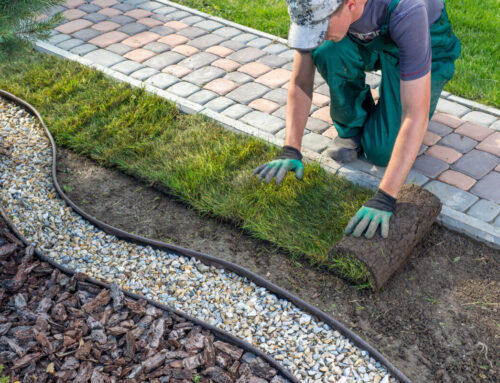
Sod is a living product. Once harvested, it should be installed as quickly as possible. This is true in every season, but it is especially important when the weather is warmer than expected or when a project requires multiple pallets.
Try to schedule fresh sod delivery in New Jersey for the same day the sod will be installed. If a crew is handling the project, coordinate delivery timing so the sod is not sitting for hours before work begins.
5. Water Immediately After Installation
Water is the first priority after sod goes down. The sod and soil beneath it should be watered thoroughly right away. The goal is to keep the root zone moist while the sod begins to knit into the prepared soil.
Fall weather can be deceptive. Cooler temperatures may make the lawn look less stressed, but new sod can still dry out if watering is inconsistent. Follow the care plan closely during the first few weeks. The New Jersey sod care and maintenance guide covers post-installation watering and early lawn care in more detail.
6. Limit Foot Traffic While the Sod Roots
New sod may look finished immediately, but it still needs time to root. Avoid heavy foot traffic, pets, equipment, and furniture while the sod is establishing. Walking on wet, newly installed sod can shift seams, create uneven areas, and slow root development.
For homes with kids, pets, tenants, or customers on-site, mark off the area clearly. A few weeks of protection can make a major difference in how the lawn performs heading into winter.
7. Plan Around Leaves, Frost, and Shorter Days
Fall sod projects also need to account for seasonal conditions. Leaves should not be allowed to sit on fresh sod for long periods because they can block sunlight and trap moisture. Early frost can also slow establishment, so timing matters as the season gets later.
If your project is late in the season, ask about availability, timing, and whether the property is still a good candidate for installation. The answer may depend on weather, site conditions, and how soon the sod can be installed after delivery.
Fall Sod Installation Checklist
- Measure the lawn and confirm square footage.
- Remove old grass, weeds, rocks, roots, and debris.
- Grade the soil and fix drainage issues before installation.
- Confirm delivery timing and install sod as soon as possible.
- Water immediately after installation.
- Keep the lawn consistently moist during establishment.
- Limit foot traffic until the sod has rooted.
- Keep leaves off the new lawn.
- Follow New Jersey-specific sod care instructions.
Get Fresh Sod Delivered or Installed in New Jersey
If you are planning a fall sod project, New Jersey Sod Company can help with fresh sod delivery, full installation, and guidance on preparing your property. Whether you are replacing a residential lawn, finishing a construction project, or coordinating a commercial site, the right timing and preparation can make the installation smoother.
Request an estimate from New Jersey Sod Company or call (862) 201-3101 to discuss delivery and installation options.
FAQ: Fall Sod Installation in New Jersey
Is fall a good time to install sod in New Jersey?
Yes, fall can be a strong time to install sod in New Jersey because temperatures are cooler and the soil may still be warm enough for rooting. Timing still matters, especially as frost becomes more likely later in the season.
How soon should sod be installed after delivery?
Sod should be installed as soon as possible after delivery. Same-day installation is ideal because fresh sod is a living product and can decline if it sits too long before being laid.
Do I still need to water new sod in cooler fall weather?
Yes. Cooler weather can reduce stress, but new sod still needs consistent moisture while roots establish. The lawn should be watered immediately after installation and monitored closely during the first few weeks.
Can New Jersey Sod Company install the sod for me?
Yes. New Jersey Sod Company provides sod delivery and installation services for homeowners, contractors, and commercial properties across New Jersey.