
Commercial sod installation in New Jersey has a different set of priorities than a small backyard lawn. A property manager may need a clean, finished appearance before tenants move in. A builder may need turf installed after final grading but before a certificate-of-occupancy walk-through. An HOA may need a common area repaired quickly after drainage work or seasonal wear. In each case, the goal is the same: get fresh sod installed at the right time, on prepared soil, with a watering plan that helps the new lawn root successfully.
New Jersey projects also need a Northeast-specific plan. Cool-season sod performs best when heat stress is controlled, spring and fall windows are used wisely, and the first few weeks of watering are treated as part of the installation—not an afterthought. This guide explains what commercial property owners, contractors, HOAs, builders, and facility managers should plan before ordering sod for a New Jersey site.
Why commercial sod projects need more planning
On a residential lawn, one homeowner can usually control watering, foot traffic, pets, and mower timing. On a commercial property, more people are involved. Landscapers, general contractors, irrigation technicians, tenants, residents, delivery drivers, and board members may all have access to the same area. That makes coordination just as important as the sod itself.
Before the installation date, decide who is responsible for final grade approval, watering access, delivery staging, post-installation traffic control, and the first mowing. These responsibilities should be clear before pallets arrive. If the site is not ready or water is not available, sod can dry out quickly, especially during warm New Jersey weather.
Best timing for commercial sod in New Jersey
In New Jersey, spring and fall are often the most forgiving seasons for sod installation because temperatures are moderate and cool-season turf can establish with less heat stress. Summer installations can still be done, but they require more disciplined watering and faster coordination. Winter installs are more limited because the ground may be frozen, saturated, or dormant.
For commercial projects, the best timing is usually the first window when the site is fully prepared and irrigation or temporary watering is available. It is better to wait until grading, utility work, drainage adjustments, and heavy construction traffic are finished than to install sod too early and watch it get damaged by equipment or foot traffic.
If you are comparing seasonal options, review New Jersey Sod Company’s guide to the best time to lay sod in New Jersey. For many HOAs, townhome communities, schools, and commercial properties, a fall project can be a strong option because cooler weather helps establishment and the lawn has time to settle before the next growing season.
Site preparation checklist for property managers and contractors
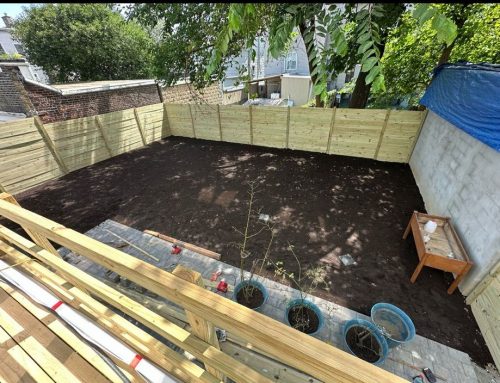
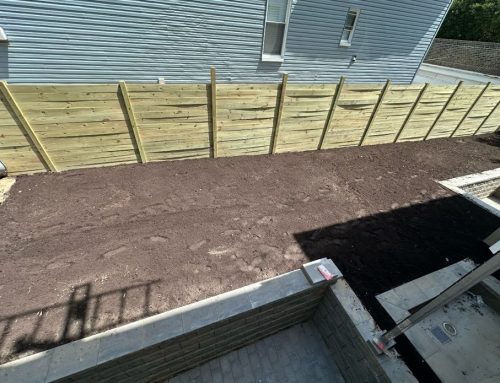
Good sod results start below the grass. Commercial properties often have compacted soil from construction equipment, parking-lot work, hardscape installation, or repeated pedestrian traffic. If sod is placed over hard, uneven, debris-filled soil, rooting can be uneven and water may run off instead of soaking in.
- Remove construction debris, old turf, stones, and surface roots from the installation area.
- Confirm the final grade moves water away from buildings, sidewalks, and low spots.
- Loosen compacted soil where practical so new roots have a place to establish.
- Make sure sprinkler heads, hose bibs, or temporary watering points are working before delivery.
- Keep heavy equipment, dumpsters, and material storage off the prepared area.
- Mark irrigation heads, valve boxes, utility covers, and edges that installers need to protect.
For a deeper preparation overview, see sod installation in New Jersey. The more complete the preparation is before installation day, the easier it is to move efficiently and protect the finished lawn.
Delivery access and staging matter
Commercial sod delivery is not just a matter of ordering enough square footage. The site needs a realistic delivery and staging plan. Some New Jersey properties have narrow access lanes, active parking lots, loading restrictions, tight townhome drives, or limited space near the installation zone. If pallets have to be staged far from the work area, the project may take longer and sod may sit exposed longer than necessary.
Before scheduling sod delivery in New Jersey, identify where pallets can be placed, whether access needs to be cleared, and who will be on site to receive the order. On larger jobs, staging sod close to the prepared area helps reduce handling and keeps the installation moving. Avoid placing pallets where they block emergency access, tenant parking, sidewalks, storefront entrances, or active work zones.
How much sod should a commercial project order?
Accurate measurement is especially important on commercial sites because under-ordering can delay completion, while over-ordering can leave extra sod that still needs to be handled quickly. Break the project into zones: street frontage, courtyards, common lawns, slopes, building entrances, utility strips, and repair patches. Measure each section separately and account for curves, cuts, and irregular edges.
New Jersey Sod Company provides a New Jersey sod calculator and buying guide that can help property managers and contractors estimate square footage before placing an order. For complex sites, it is usually better to review measurements carefully before scheduling delivery so the installation can be completed without unnecessary interruption.
Watering responsibilities after installation
The first few weeks after installation determine whether the sod roots evenly. On commercial properties, this is where many problems begin—not because the sod was poor, but because the watering responsibility was unclear. Someone must confirm that irrigation is running correctly, temporary sprinklers cover the full area, and dry edges or sunny slopes receive enough attention.
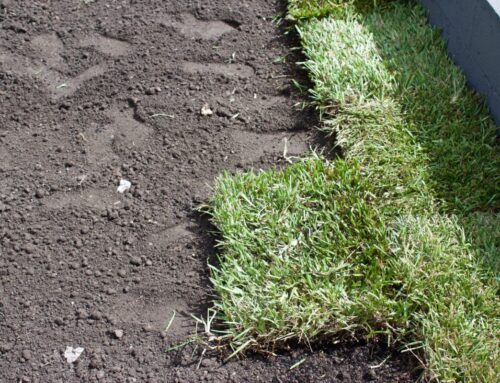
Fresh sod should be kept consistently moist during the initial rooting period, while avoiding standing water or muddy conditions. High-traffic areas may also need temporary signs, cones, or barriers so residents, tenants, customers, and crews do not walk across soft newly installed turf. For detailed post-installation steps, use the New Jersey sod care and maintenance guide.
Common commercial properties that benefit from sod
Commercial sod is useful whenever a property needs a finished lawn without waiting for seed to germinate and fill in. In New Jersey, that can include apartment communities, HOA common areas, office buildings, schools, retail properties, municipal spaces, builder lots, athletic-adjacent grounds, and entrance lawns where appearance matters. Sod can also help stabilize bare soil after construction or renovation when the site is properly prepared and watered.
For businesses, boards, and contractors comparing options, New Jersey Sod Company’s commercial sod services in New Jersey page is the best place to start. Residential property owners can also review residential sod services in New Jersey if the project is for a single home or smaller private yard.
Commercial sod planning tips for New Jersey sites
- Coordinate with other trades. Install sod after grading, hardscape work, utility repairs, and heavy deliveries are complete.
- Protect the prepared soil. Once the area is raked and ready, keep vehicles and materials off it.
- Plan for watering before delivery. Do not wait until sod is installed to test irrigation or hoses.
- Control traffic. Use temporary barriers where residents, tenants, or crews might cross the new lawn.
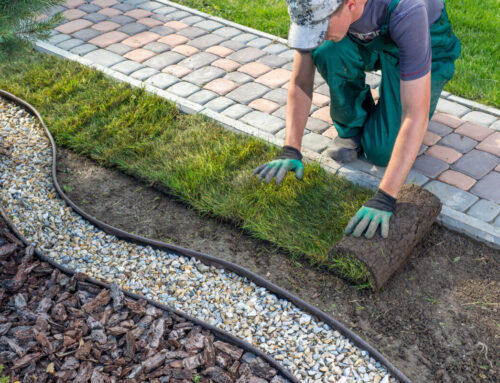
- Install promptly. Fresh sod should be laid as soon as practical after delivery, especially in warm weather.
- Schedule around the site, not just the calendar. The best day is one when the soil, access, labor, and water are all ready.
FAQ: Commercial sod installation in New Jersey
When is the best season for commercial sod installation in New Jersey?
Spring and fall are often the most forgiving seasons for cool-season sod in New Jersey. Summer projects can work with careful watering and fast coordination, while winter timing depends on ground conditions and dormancy.
Can sod be installed on a construction site before all work is finished?
It is usually better to wait until final grading, utility work, drainage corrections, and heavy equipment traffic are complete. Installing too early can lead to ruts, compaction, damaged turf, or areas that need to be replaced.
Who should manage watering after a commercial sod project?
The responsible person should be chosen before installation day. This may be a property manager, landscaper, contractor, facilities team, or HOA representative. The key is making sure coverage is consistent and checked daily during establishment.
How do we estimate sod for an HOA or commercial property?
Measure the property in sections and add them together: entrances, common lawns, side strips, slopes, and repair zones. Use the New Jersey sod calculator and buying guide to organize the estimate, then confirm measurements before scheduling delivery.
Plan your New Jersey commercial sod project
If you manage a commercial property, HOA, construction site, or large lawn renovation in New Jersey, New Jersey Sod Company can help you think through sod delivery, installation timing, square footage, and post-installation care. Call (862) 201-3101 to discuss your project and schedule the next step.