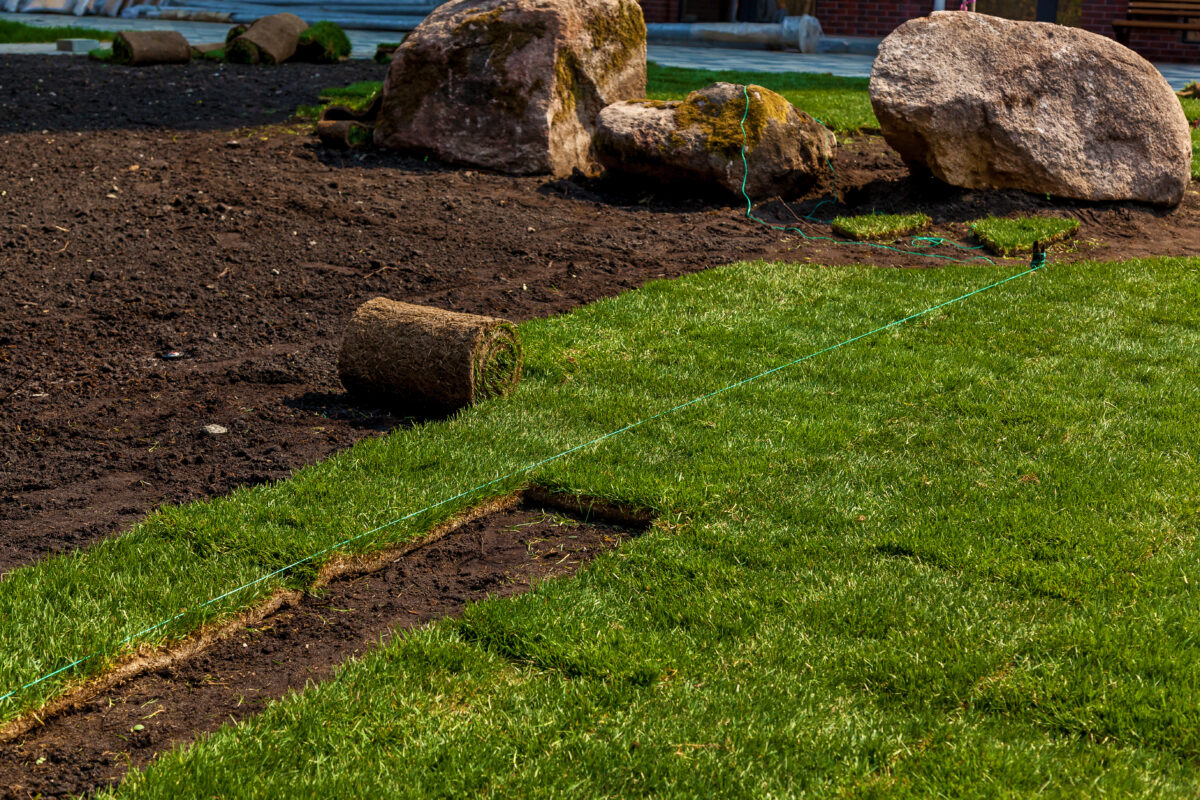
For homeowners across New Jersey, getting a healthy lawn starts with one key decision: sod or seed. Both options can work, but the results, timelines, and long-term performance differ significantly. At New Jersey Sod Company, we help property owners make this choice every day. If you are planning residential sod installation in New Jersey, understanding how sod compares to seeding can help you avoid delays, wasted money, and uneven results.
What Is the Real Difference Between Sod and Seeding?
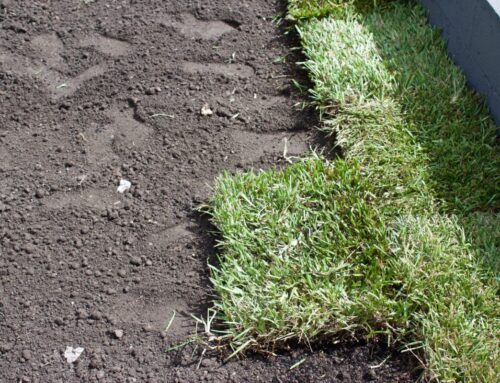
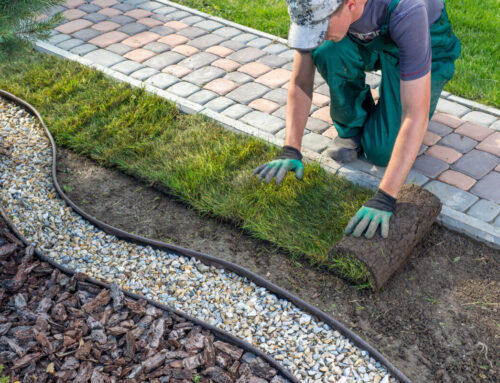
Sod is mature grass that has already been grown and harvested. It is delivered in rolls or sections that include grass, roots, and a thin layer of soil. Once installed, it creates an immediate lawn.
Seeding involves spreading grass seed and waiting for it to germinate and grow. This process depends heavily on soil quality, watering habits, and weather conditions.
In New Jersey, where lawns experience seasonal rain, summer heat, and compacted soils, these differences have a major impact on success.
How Does Residential Sod Installation Compare on Cost?
Seeding often looks less expensive at first. Seed and basic materials cost less than sod. However, many homeowners do not account for the added expenses that come with establishing a seeded lawn.
These may include:
- Additional soil preparation and amendments
- Higher water usage over several weeks
- Repairs for thin or bare areas
- Weed control during early growth
- Residential sod installation has a higher upfront cost, but it delivers a finished lawn right away. There is less risk of washout, patchy growth, or weeds taking over before the grass becomes established. For many New Jersey homeowners, sod provides more predictable results with fewer setbacks.
Which Option Gives You a Lawn Faster?
Sod clearly provides faster results. A sod lawn looks complete the day it is installed. With proper watering, most sod lawns can handle light use within a few weeks.
Seeded lawns take much longer. Germination alone can take several weeks, followed by months of uneven growth. In many cases, a full growing season is needed before the lawn can handle regular use.
For homeowners who want a usable lawn this season, residential sod installation offers a significant advantage.
How Do Sod and Seed Affect Long-Term Lawn Health?
Long-term lawn health depends on proper soil preparation, grading, and root development.
Poor grading can cause water to pool in certain areas. Standing water damages grass roots, leading to uneven color and thinning. When sod is installed by professionals, grading is part of the preparation process. The yard is evaluated, drainage issues are addressed, and the surface is leveled before installation begins.
Sod also arrives thick and uniform, which helps reduce weed growth early on. Seeded lawns are more vulnerable to weeds while the grass is still establishing.
With proper care, sod develops strong roots quickly and provides consistent coverage sooner than seed.
What Grass Types Work Well in New Jersey?
New Jersey lawns must handle cold winters, warm summers, and changing moisture levels. Grass selection plays a major role in long-term performance.
Sod grown for this region uses turf varieties suited for local conditions. These grasses are selected for durability, seasonal resilience, and consistent growth.
Seeding often relies on general seed mixes that may not perform evenly across different properties or soil types.
When Is Seeding a Better Fit?
Seeding can work for large areas where immediate results are not needed or for long-term projects where timing is flexible. It may also appeal to homeowners who are willing to manage watering, weed control, and patch repairs over time.
However, for homeowners who want fast results and a uniform lawn, sod is often the more reliable option.
Why Many Homeowners Choose Professional Sod Installation
Installing sod correctly involves more than placing grass on the ground. Soil preparation, grading, and timing all affect how well the lawn takes root.
Professional sod installation helps reduce common issues such as uneven growth, drainage problems, and early lawn failure. Working with a local provider also helps account for New Jersey’s seasonal conditions.
Choosing the Right Lawn Solution in New Jersey
Both sod and seed can improve a lawn, but they offer very different experiences. For homeowners who value speed, consistency, and long-term performance, residential sod installation remains a popular choice across New Jersey.
Contact the New Jersey Sod Company team to discuss residential sod installation and delivery options for your property.