
Timing matters when planning a sod install in New Jersey. Weather patterns, soil temperature, and rainfall all affect how well new sod takes root. At New Jersey Sod Co, we work with homeowners and business owners across New Jersey who want a healthy lawn without guesswork. Knowing when to install sod helps avoid wasted time, uneven growth, and early damage.
Why Timing Matters for Sod Install in New Jersey
New Jersey’s climate brings cold winters, wet springs, hot summers, and unpredictable fall weather. Sod needs active root growth to anchor into the soil. That happens best when temperatures are mild and moisture levels are steady. Installing sod at the wrong time can lead to shallow roots, stressed turf, and higher water needs
Seasonal timing also affects preparation. Soil grading, drainage checks, and surface leveling are easier when the ground is workable, not frozen, or not oversaturated. Professional installation accounts for these factors before sod ever touches the ground.
Is Spring the Best Time for Sod Install?
Spring is one of the most popular seasons for sod install in New Jersey, and for good reason. Soil begins warming, rainfall increases, and cool-season grasses grow actively. These conditions help the sod root quickly.
Early spring installations benefit from lower air temperatures that reduce stress on fresh sod. The key is timing. Installing too early can mean working with cold soil that slows root development. Late spring installations work well as long as watering is managed before summer heat arrives.
Spring is ideal for homeowners who want a lawn ready for summer use, especially around patios, pools, or outdoor living areas.
Can You Install Sod During Summer?
Summer sod install is possible in New Jersey, but it requires careful planning. High temperatures and strong sun increase water demands and stress turf during the first few weeks.
Professional crews adjust installation practices during the summer. This includes proper soil preparation, proper seam placement, and a consistent watering schedule. Poor grading during summer can cause water to pool, leading to uneven growth and color issues. Before installation, the yard should slope slightly away from structures to promote drainage. When handled by professionals, grading is part of the preparation process.
Summer sod installs work best for properties with irrigation systems or owners who can follow a consistent watering plan.
Why Fall Is Often the Best Time of Year for Sod Install
Fall is often considered the best season for sod install in New Jersey. Cooler air temperatures combined with warm soil create ideal rooting conditions. Sod establishes strong roots without the stress of summer heat.
Weed pressure drops in fall, which helps new sod grow without competition. Rainfall tends to be more consistent, reducing manual watering needs. Fall installations also allow lawns to establish before winter dormancy, leading to faster green-up in spring.
For commercial properties or homeowners planning ahead, fall sod installation offers strong long-term results.
What About Winter Sod Installation?
Winter sod installation is limited in New Jersey. Frozen ground prevents proper rooting, and dormant grass cannot establish itself before spring. While sod can technically be laid during mild winter periods, it does not root until soil temperatures rise.
Most winter projects focus on planning, grading, and scheduling for spring installation rather than active sod placement.
How Professional Preparation Affects Seasonal Success
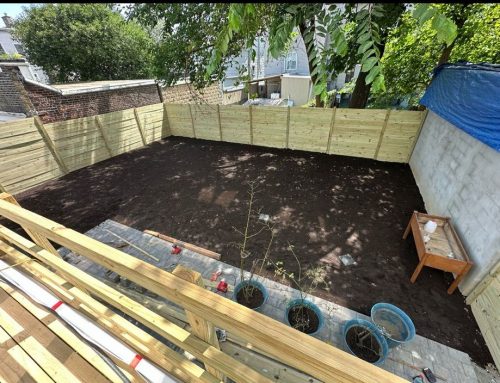
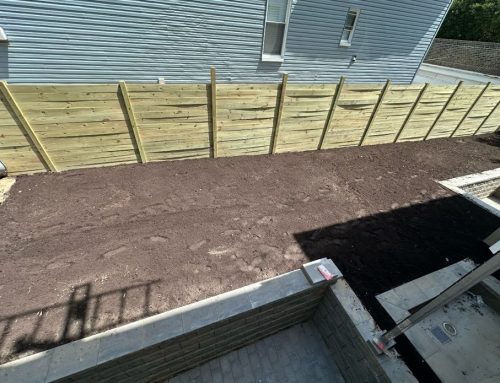
Regardless of season, preparation determines results. Poor grading causes water to collect in low spots, leading to root damage and uneven growth. Before installation, professionals check that soil slopes away from foundations and hard surfaces.
At New Jersey Sod Co, crews inspect each site, address drainage concerns, remove debris, and create a smooth surface. This preparation supports even rooting and consistent color across the lawn.
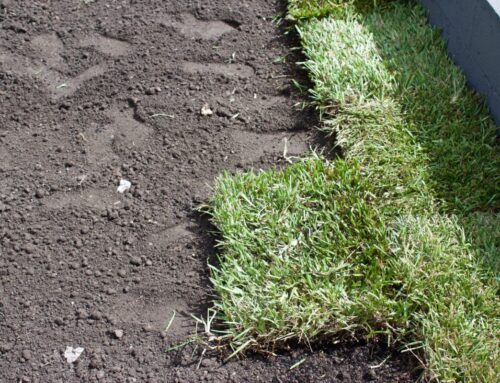
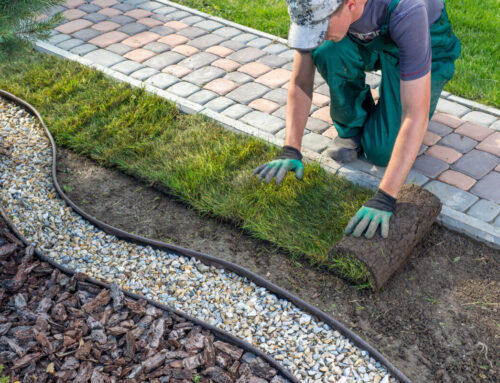
Seasonal success depends on more than weather. Proper soil contact, tight seams, and post-install watering plans all play a role.
Choosing the Right Time for Your Property
The best time for sod install depends on your goals, property use, and watering capacity. Spring and fall offer the most forgiving conditions. Summer installations work with proper care. Winter installations typically wait until conditions improve.
Homeowners planning landscaping upgrades or business owners preparing for seasonal traffic benefit from scheduling ahead. Early planning allows installation during ideal weather windows rather than rushed decisions.
Final Thoughts on Sod Install in New Jersey
The best time of year for sod install in New Jersey is usually spring or fall, when temperatures and soil conditions support strong root growth. With professional preparation, delivery and installation, timing, preparation, and follow-up care work together to create lasting results. Contact our New Jersey team to schedule a quote for sod installation and find the right window for your property.