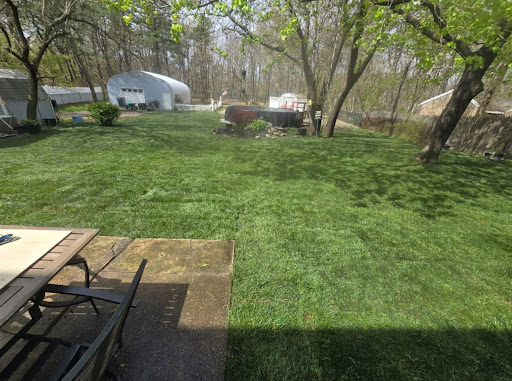
Fall is one of the best times to install sod in New Jersey—but only if done properly. Cooler temperatures, fewer weeds, and warm soil create a favorable environment for root establishment. However, timing is critical to avoid early frosts or insufficient root growth.
Why Fall Works Well
- Soil Retains Summer Warmth: Warm soil helps roots grow faster in early fall.
- Cooler Air Temperatures: Reduces stress on the sod and lessens water evaporation.
- Reduced Weed Competition: Fewer weed seeds germinate in fall, allowing sod to establish more easily.
- More Consistent Rainfall: Fall showers help keep new sod moist without excessive watering.
When to Install The ideal fall installation window in NJ is from early September to mid-October. Avoid installing after mid-November unless temperatures remain consistently above 50°F. Sod needs 4–6 weeks to root before the ground freezes.
Tips for Fall Sod Success
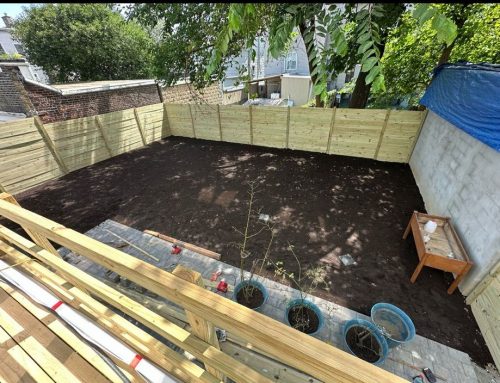
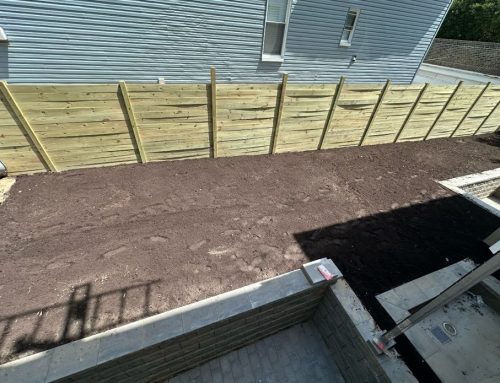
- Prep soil thoroughly: remove old grass, till, and add topsoil or compost.
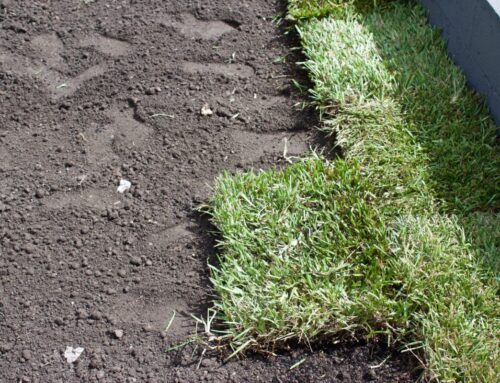
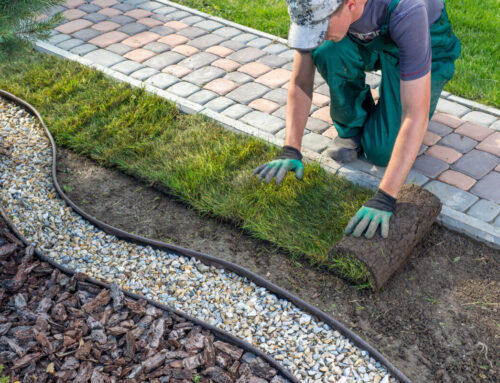
- Lay sod quickly and water within 30 minutes.
- Water daily for the first 2 weeks, then gradually taper.
- Mow once the sod reaches 3–4 inches high.
- Apply a starter fertilizer rich in phosphorus to support root development.
Risks to Watch For
- Early Freeze: If temperatures drop quickly, roots may not establish in time.
- Dormancy: Cool-season grasses may enter dormancy before fully rooting, appearing yellow until spring.
- Overwatering: Be mindful of excessive rain that could lead to rot.
With proper prep and good timing, fall sod installation in New Jersey is not only safe—it’s smart. The results will show the following spring with a lush, vibrant lawn.