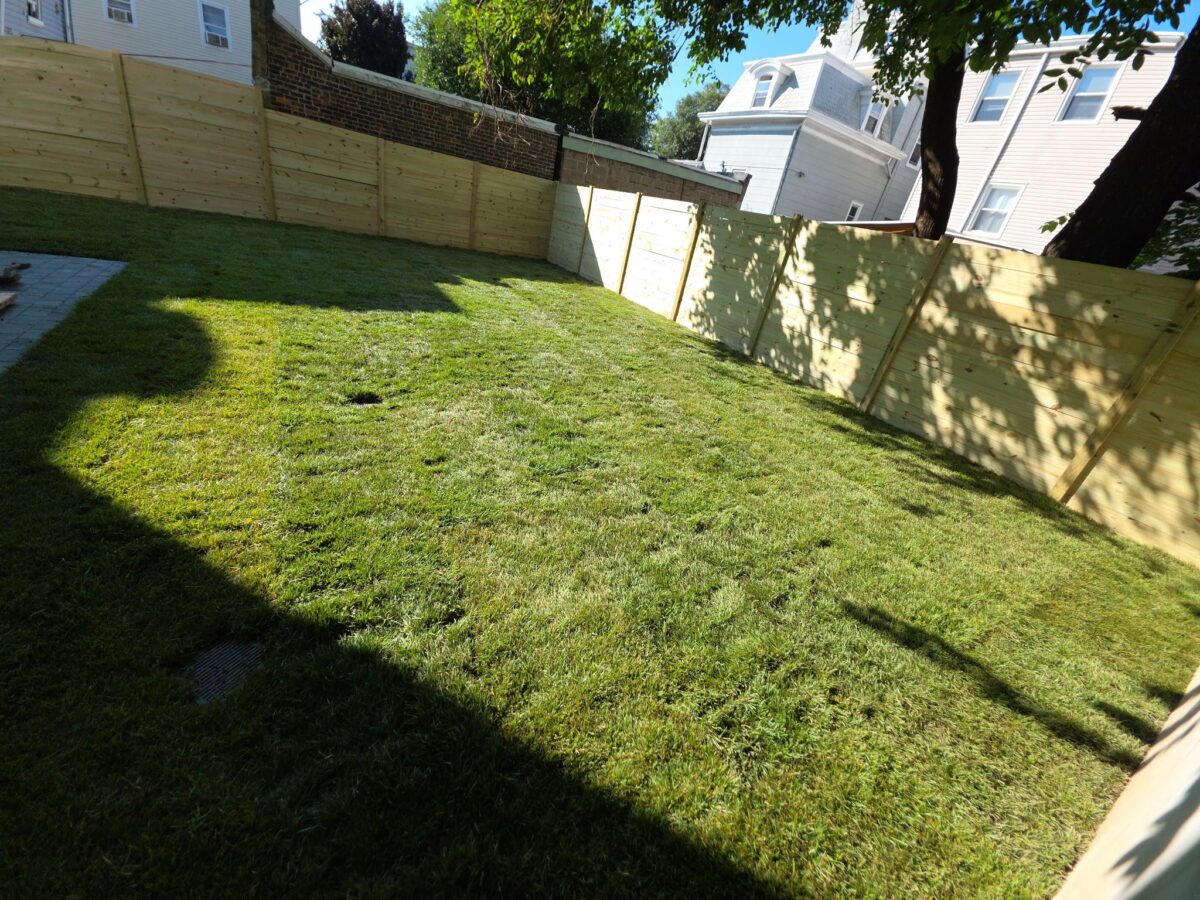
Passaic County sod projects are rarely one-size-fits-all. A lawn in Clifton or Paterson may have tight delivery access and compacted urban soil, while a property in Wayne, Ringwood, West Milford, or Totowa may deal with slopes, shade, drainage changes, deer traffic, or heavier soil that holds water longer than expected. That is why successful sod installation in Passaic County NJ starts before the truck arrives: timing, preparation, staging, and the first two weeks of watering all matter.
New Jersey Sod Company focuses on New Jersey conditions instead of treating every Northeast lawn like the same generic delivery page. For Passaic County homeowners, contractors, builders, property managers, and commercial sites, the goal is simple: get fresh sod on prepared soil quickly, keep it watered correctly, and avoid the shortcuts that cause seams, browning, or shallow rooting.
Why Passaic County lawns need a New Jersey-specific sod plan
Passaic County sits between dense North Jersey neighborhoods and more wooded, sloped areas near the Highlands. That mix creates different sod installation challenges within the same county. Some properties need careful delivery staging because streets, driveways, or jobsite access are tight. Others need more attention to grading, runoff, shade, and soil compaction.
A generic out-of-state sod page might say to “prepare the soil and water daily.” A stronger New Jersey plan looks at the real project details: whether the lawn is in full sun or afternoon shade, whether the grade sends water toward the house, whether old turf must be removed, and whether the sod needs to be installed around patios, sidewalks, fences, pools, or new construction landscaping.
Best timing for sod installation in Passaic County
Cool-season lawns in New Jersey generally perform best when sod is installed during moderate weather. Spring and fall are usually the most forgiving windows because temperatures are cooler, rainfall is more consistent, and the new sod can root before the stress of summer heat or winter dormancy.
That does not mean summer installation is impossible. It means summer jobs require tighter coordination, faster installation, and more disciplined watering. For a deeper timing breakdown, see New Jersey Sod Company’s guide to the best time to lay sod in New Jersey. If a Passaic County project is tied to a closing, new build, municipal deadline, HOA requirement, or commercial opening, scheduling around weather and irrigation access becomes even more important.
Soil prep matters before the sod delivery arrives
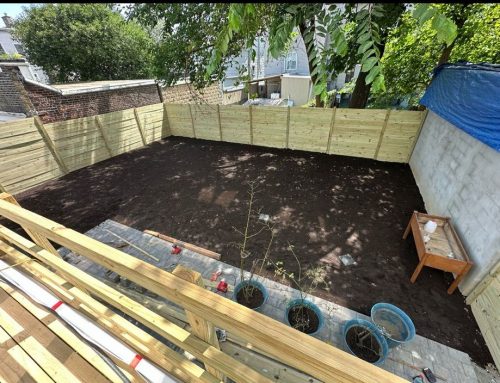
The most common sod problems start below the grass. Passaic County sites can include compacted clay, construction debris, uneven grading, old roots, thin topsoil, or patches where water collects after storms. Sod can look good on day one and still struggle if the soil underneath is hard, uneven, or poorly drained.
Before installation, check these items:
- Remove old turf, weeds, rocks, sticks, and construction debris.
- Loosen compacted soil so new roots can knit into the ground.
- Correct low spots where water pools after rain or irrigation.
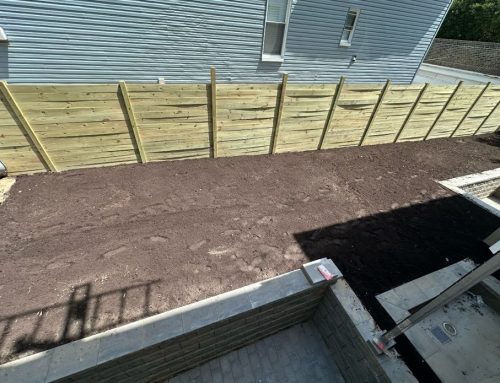
- Establish a smooth final grade around sidewalks, driveways, patios, and planting beds.
- Make sure irrigation or hose access is ready before the sod is installed.
For broader installation planning, use the New Jersey sod installation guide. The better the base, the more evenly the sod roots and the less likely the lawn is to show seams, dry edges, or soft spots after the first month.
Delivery logistics for Passaic County homes, builders, and commercial properties
Fresh sod is a time-sensitive material. Once sod arrives, the clock is working against the project, especially on hot or windy days. That is why New Jersey sod delivery should be planned around installation readiness, access, and staging.
In more developed Passaic County areas, delivery planning may include driveway access, street parking limitations, gates, narrow side yards, or coordination with other trades. For larger residential, builder, HOA, or commercial jobs, the questions are different: where can pallets be placed without blocking equipment, how fast can the crew lay the sod, and how will watering begin immediately after each section is installed?
Residential sod installation in Passaic County
For homeowners, sod is often chosen because it gives a usable lawn faster than seed. That speed is valuable after a renovation, pool installation, drainage repair, patio project, tree removal, or full lawn replacement. But even residential projects need a practical plan.
Homeowners should measure carefully, prepare water access, and avoid scheduling sod before the yard is fully ready. If pets, kids, or foot traffic are part of the property, plan a short protection period while roots establish. New Jersey Sod Company’s residential sod services in New Jersey page is the best starting point for homeowner-focused projects.
Commercial, HOA, and contractor sod projects in Passaic County
Commercial and managed-property sod work often has different priorities: deadline coordination, curb appeal, safe access, and minimizing disruption. Passaic County projects may include apartment communities, retail properties, office sites, municipal-looking frontage, common areas, and builder closeout work.
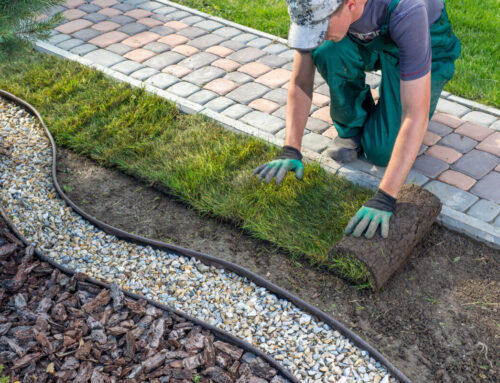
For these jobs, sod installation should be coordinated with grading, irrigation, hardscape completion, and punch-list timing. Sod should not sit while crews are still moving heavy equipment across the lawn area. Contractors and property managers can review commercial sod services in New Jersey for more context on project planning.
Watering after sod installation: the first two weeks are critical
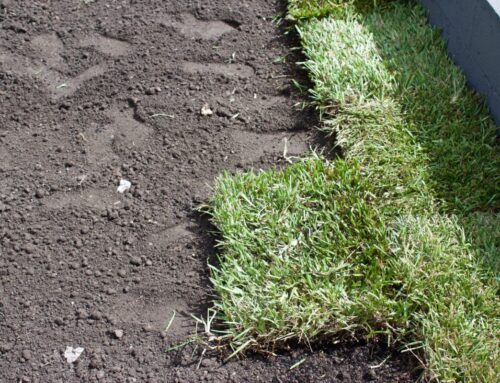
New sod needs consistent moisture while roots establish. The first watering should begin as soon as practical after installation, not the next day. Edges, slopes, sunny areas, and spots near pavement can dry faster than the center of the lawn.
General first-stage watering priorities:
- Keep the sod and soil beneath it consistently moist at first.
- Watch edges, corners, curb strips, and sloped areas closely.
- Avoid heavy foot traffic while the sod is rooting.
- Gradually reduce watering frequency as roots knit into the soil.
- Do not mow until the sod has rooted firmly enough to resist lifting.
Weather changes the exact schedule. A cool, cloudy week in Passaic County is different from a hot, windy stretch in July. The key is to manage moisture without letting the lawn dry out or stay swampy.
How NJ Sod beats generic out-of-state sod pages for Passaic County searches
When a sod company writes a broad multi-state page, it usually misses the details that matter to a buyer in New Jersey. Passaic County customers are not just looking for “sod near me.” They want to know if the company understands North Jersey delivery logistics, cool-season installation timing, compacted soil, shade, drainage, and the expectations of homeowners, contractors, builders, HOAs, and property managers.
That is where a New Jersey-specific company has an advantage. Local sod planning is not only about selling grass; it is about matching timing, delivery, prep, and aftercare to the property. If you are planning sod installation in New Jersey, the next step is to talk through the project details before choosing a delivery or installation date.
FAQ: Passaic County NJ sod installation
What is the best season to install sod in Passaic County?
Spring and fall are usually the most forgiving seasons for cool-season sod in New Jersey. Summer installation can work, but it requires faster installation, stronger watering discipline, and more attention to heat stress.
Can sod be installed on sloped Passaic County yards?
Yes, but slope, drainage, and watering need extra attention. Sloped lawns can dry unevenly or experience runoff if the soil is not prepared correctly. The grade should be stable before sod is installed.
Should I order sod before my yard is fully prepared?
No. Because sod is perishable, the soil should be cleared, graded, loosened, and ready before delivery. Delays after delivery can hurt freshness and rooting performance.
Is sod better than seed for a Passaic County lawn?
Sod is often preferred when the homeowner, builder, or property manager needs a finished lawn quickly. Seed may be less expensive upfront, but it takes longer to establish and can be more vulnerable to washout, weeds, and traffic during establishment.
How do I start a Passaic County sod project?
Start by gathering the lawn size, site photos, timing needs, and whether you need delivery only or full installation. Then contact New Jersey Sod Company to discuss the project and plan the next step.
Plan your Passaic County sod project with a New Jersey-focused team
If you are replacing a lawn, finishing a new build, improving a commercial property, or planning sod for a Passaic County home, do not rely on a generic sod page written for multiple states. New Jersey lawns need New Jersey timing, soil prep, delivery planning, and aftercare. Contact New Jersey Sod Company to talk through your sod delivery or installation project.