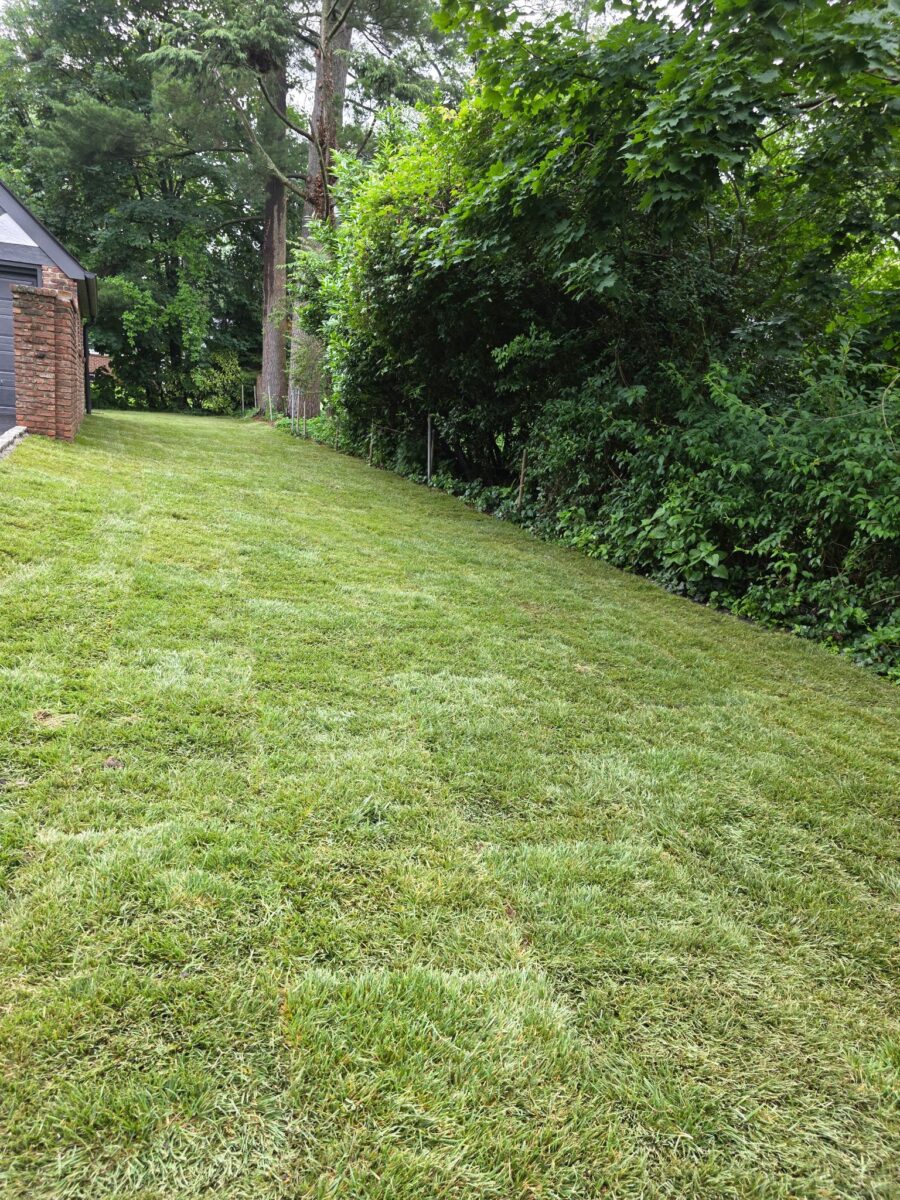
Monmouth County lawn projects are not all the same. A sod job near the coast in Long Branch, Belmar, Asbury Park, Sea Girt, or Manasquan can behave differently than a yard farther inland in Freehold, Colts Neck, Marlboro, Holmdel, Howell, or Middletown. Soil texture, salt air, irrigation access, grading, shade, and delivery staging all affect how well fresh sod takes root.
That is why a New Jersey-specific sod company has an advantage over a generic multi-state delivery page. Homeowners, builders, landscapers, HOAs, and commercial property managers in Monmouth County need practical guidance built around Northeast grass timing and local jobsite conditions—not broad claims that could apply anywhere.
This guide explains what to consider before scheduling sod installation in Monmouth County NJ, including timing, prep, delivery logistics, watering, and when to choose delivery-only versus full installation.
Why Monmouth County Sod Projects Need Local Planning
Monmouth County includes dense neighborhoods, Shore-area properties, new construction communities, older suburban lots, commercial corridors, and larger residential properties. A successful sod project depends on matching the plan to the site.
Coastal and Shore-area lawns
Near the Shore, lawns can face sandy soil, wind exposure, salt influence, heavier summer foot traffic, and faster dry-down after watering. A property near the beach, a rental home, or a Shore business may need extra attention to soil preparation, irrigation coverage, and the first few weeks of watering.
Inland Monmouth County lawns
Inland properties in places like Freehold, Marlboro, Colts Neck, Manalapan, Holmdel, and Howell often have different challenges: compacted construction soil, drainage changes, shaded tree lines, clay pockets, or larger areas that require careful measuring and delivery coordination.
Contractor and builder jobs
For builders, remodelers, landscapers, and site contractors, sod is often the final step before turnover. That makes scheduling important. The lawn area should be graded, cleaned, and ready before fresh sod arrives so pallets are not sitting while crews finish prep.
Best Timing for Sod Installation in Monmouth County
New Jersey is a cool-season lawn market. Sod can be installed across much of the year when the ground is workable and water is available, but spring and fall are usually the strongest windows. Fall is often especially favorable because soil temperatures remain warm enough for rooting while air temperatures become easier on the new lawn.
Spring can also work well, especially when a yard needs to be repaired after winter damage, construction, drainage work, or a failed seeded lawn. Summer installation is possible, but it requires tighter watering discipline and realistic expectations during heat waves.
For a broader seasonal breakdown, see New Jersey Sod Company’s guide to the best time to lay sod in New Jersey.
How to Prepare a Monmouth County Lawn Before Sod Arrives
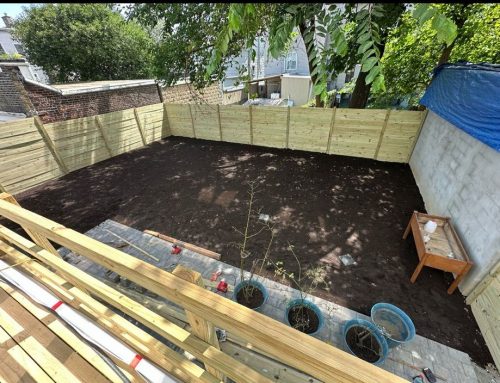
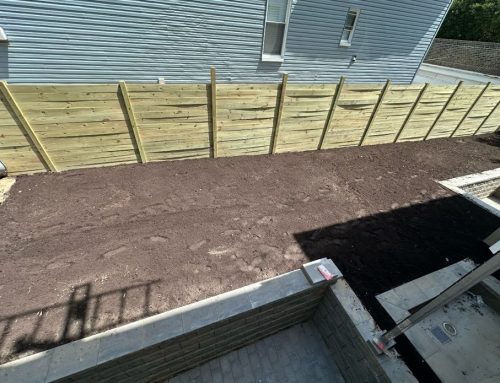
Good sod installation starts before the first roll is laid. The most common avoidable problems come from rushing the prep stage: uneven grade, leftover debris, compacted soil, poor drainage, or an irrigation system that does not cover the new lawn evenly.
Remove the old lawn and debris
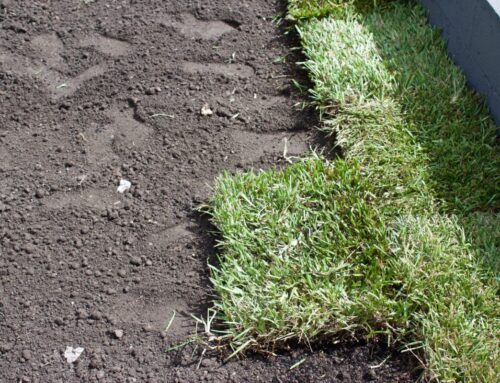
Old grass, weeds, rocks, roots, construction scraps, and hard clumps should be removed before installation. Sod needs direct contact with prepared soil. Laying fresh sod over a weak, uneven, or debris-filled base can lead to air pockets, poor rooting, and uneven color.
Correct grading and drainage first
Monmouth County properties can have water movement issues around driveways, patios, foundations, sidewalks, and coastal lots. Sod should not be used to hide a drainage problem. Make sure the lawn area is graded to move water appropriately before the sod is scheduled.
Loosen compacted soil
Construction equipment, foot traffic, and old lawn compaction can make it difficult for roots to establish. Loosening and raking the surface helps the sod knit into the soil faster.
Confirm irrigation coverage
Fresh sod needs consistent moisture while it roots. Before delivery day, test sprinklers or hose coverage. Make sure corners, narrow side yards, sunny strips, and areas near pavement receive enough water.
For a step-by-step overview, review the New Jersey sod installation guide.
Sod Delivery Logistics in Monmouth County
Delivery planning matters because fresh sod is time-sensitive. Pallets need a safe staging area that is close enough for efficient installation but not blocking traffic, neighbors, driveways, or active construction work.
Think through access before delivery day
Many Monmouth County homes have tight driveways, narrow side-yard access, sloped front yards, limited street parking, or HOA restrictions. Commercial and municipal-style sites may require coordination with property managers, supers, or general contractors. The more the access plan is settled in advance, the smoother the day goes.
Measure carefully before ordering
Over-ordering wastes material; under-ordering can delay completion and create inconsistent timing between sections. Measure the actual lawn area and account for curves, beds, walkways, and waste. If the project includes multiple zones, break the estimate down by section.
New Jersey Sod Company provides sod delivery in New Jersey and can help plan delivery around the realities of local residential, builder, and commercial jobsites.
Delivery-Only vs Full Sod Installation
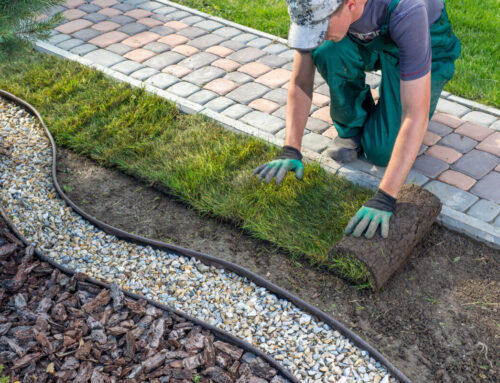
Some Monmouth County customers only need fresh sod delivered to a prepared site. Others want the full installation handled from prep through laying and cleanup. The right choice depends on the size of the job, site conditions, schedule, and whether you have labor ready when the sod arrives.
Delivery-only can make sense when:
- A landscaper, builder, or contractor already has a crew on site.
- The lawn area has been professionally graded and prepared.
- The installation can begin immediately after delivery.
- The customer understands watering requirements and aftercare.
Full installation is often better when:
- The old lawn must be removed or the soil needs prep.
- The grade is uneven or drainage needs attention.
- The property owner wants one accountable local sod team.
- The job must be completed quickly for closing, listing, HOA, or business appearance reasons.
Homeowners can learn more about residential sod services in New Jersey, while property managers, builders, and businesses can review commercial sod services in New Jersey.
First-Week Watering for New Sod in Monmouth County
After installation, watering is the biggest factor in whether the sod establishes cleanly. The goal is to keep the sod and upper soil consistently moist without creating runoff, puddling, or soft muddy areas.
Coastal wind, sandy soil, full sun, and heat reflected from driveways or patios can dry sod faster. Shaded areas may stay wet longer. Walk the lawn, check edges, and adjust watering zones instead of assuming every section needs the same amount.
Practical first-week tips
- Begin watering as soon as sod is installed.
- Pay extra attention to edges along sidewalks, curbs, beds, and driveways.
- Avoid heavy foot traffic while the sod is rooting.
- Check that water is soaking through the sod into the soil below.
- Do not let corners or narrow strips dry out.
Why a New Jersey-Based Sod Company Beats a Generic Out-of-State Page
A broad out-of-state sod page may mention New Jersey towns, but that does not automatically make it useful for a Monmouth County job. A better local sod resource should talk about New Jersey timing, Shore-area conditions, county-level logistics, cool-season lawn behavior, delivery access, and practical aftercare.
New Jersey Sod Company is focused on New Jersey sod delivery and installation. That local focus matters when a homeowner in Middletown needs a front lawn replaced, a builder in Freehold needs sod coordinated near project turnover, a Shore business needs curb appeal before peak season, or an HOA/property manager needs a clean, professional lawn result.
FAQ: Monmouth County NJ Sod Installation
When is the best time to install sod in Monmouth County?
Spring and fall are usually the strongest windows for New Jersey cool-season lawns. Fall is often ideal because temperatures are easier on new sod while the soil is still warm enough for rooting. Summer can work with careful watering and realistic heat planning.
Does coastal soil change how sod should be installed?
It can. Shore-area properties may have sandier soil, wind exposure, and faster drying. Soil preparation and watering coverage become especially important near the coast.
Can sod be delivered to a tight Monmouth County driveway or side yard?
Many properties require access planning. Before delivery, consider driveway width, street parking, HOA rules, overhead obstacles, and where pallets can be staged safely.
Should I choose sod delivery only or full installation?
Delivery-only can work when the site is already prepared and labor is ready. Full installation is usually better when grading, old lawn removal, soil prep, or fast project completion is needed.
Who should I contact for sod installation in Monmouth County NJ?
For help planning sod delivery or installation in Monmouth County and across New Jersey, contact New Jersey Sod Company.
Plan a Monmouth County Sod Project With a Local NJ Team
If you are planning sod installation in Monmouth County, start with the basics: measure the lawn, identify prep needs, confirm watering, and schedule delivery or installation around the strongest New Jersey timing window. For local help, visit Sod Installation Services in New Jersey or request guidance from New Jersey Sod Company.