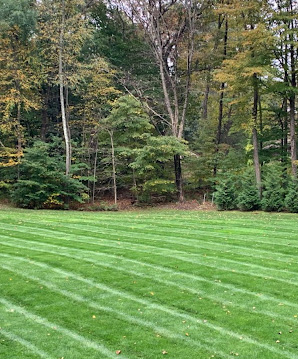
Middlesex County is one of the most practical places in New Jersey for sod, but it is also a county where timing and preparation matter. A lawn project in Edison, Woodbridge, Piscataway, East Brunswick, Old Bridge, Monroe, South Brunswick, or New Brunswick can have different access, shade, drainage, and soil conditions than a simple out-of-state “sod delivery to New Jersey” page suggests.
That is why a Middlesex County sod project should be planned around local New Jersey conditions: cool-season grass timing, clay-heavy or compacted soil, dense neighborhoods, contractor schedules, and the first few weeks of watering after installation. Whether you are a homeowner replacing a tired front yard, a builder finishing a new construction property, or a property manager repairing a visible common area, the goal is the same: fresh sod delivered at the right time, installed on properly prepared soil, and watered consistently until it roots.
For full-service projects, start with New Jersey sod installation. If your landscaper or crew is handling the labor, review sod delivery in New Jersey so the pallet count, staging area, and delivery day are planned before the truck arrives.
Why Middlesex County Sod Projects Need Local Planning
Middlesex County sits between North Jersey, Central Jersey, and Shore-adjacent service patterns. That means a sod project may involve a tight residential street in Edison, a larger suburban lawn in Monroe or South Brunswick, a commercial entrance near a busy corridor, or a builder punch-list item that needs to be finished before closing.
Generic regional competitors often treat New Jersey as one broad delivery zone. A stronger plan considers the local jobsite. Middlesex County properties can have compacted fill soil from construction, heavy foot traffic near townhomes and HOAs, shaded yards near mature trees, and drainage issues after grading changes. Sod can still work well, but only when the site is prepared and the delivery is timed so the sod is installed quickly after arrival.
Best Timing for Sod Installation in Middlesex County
New Jersey lawns are usually built around cool-season grasses. That makes spring and fall the easiest seasons for rooting because temperatures are moderate and the sod is under less heat stress. Fall is often the most forgiving window because soil is still warm, rainfall may be more regular, and weed pressure is lower. Spring can also be excellent when the site is ready and watering is consistent.
Summer sod installation can work in Middlesex County, especially for urgent new construction, erosion control, real estate, or commercial appearance needs. The difference is that summer projects require tighter coordination. Sod should not sit on pallets longer than necessary, and the irrigation plan needs to be ready before installation begins. If the forecast includes extreme heat, a local sod company can help decide whether to proceed, adjust delivery timing, or prepare the site first and wait for a better window.
For season-by-season guidance, see the best time to lay sod in New Jersey.
Soil Prep Comes Before the Pallets Arrive
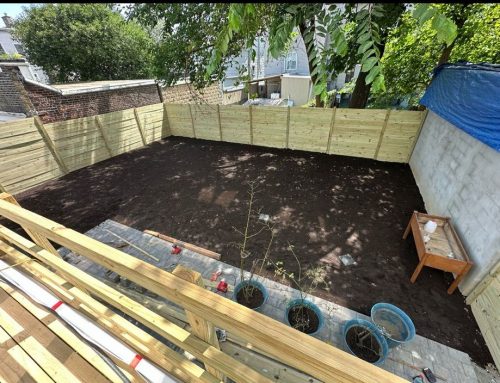
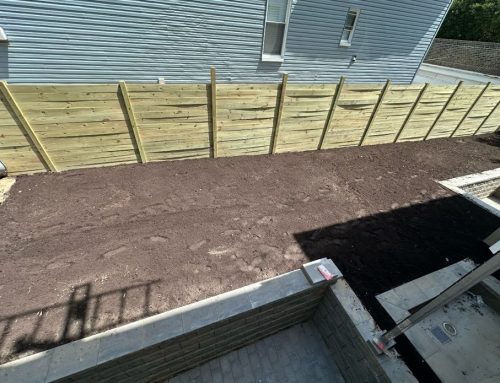
The biggest mistake on many New Jersey sod projects is ordering sod before the soil is ready. Sod is a living product, and Middlesex County soil often needs grading, debris removal, loosening, and leveling before installation day. New construction lots may have ruts, buried stone, compacted subsoil, or uneven transitions near sidewalks and driveways. Older lawns may need the failed turf removed so the new sod can make direct contact with soil.
A good preparation checklist includes:
- Remove old grass, weeds, rocks, construction debris, and thick thatch.
- Correct low spots where water sits after rain.
- Loosen compacted soil so roots can establish instead of sitting on a hard surface.
- Fine-grade the area so the finished lawn meets walkways, patios, curbs, and beds cleanly.
- Plan sprinkler coverage or hose access before installation starts.
For homeowners comparing DIY and professional help, the New Jersey sod installation guide is a useful starting point.
Delivery Access Matters in Edison, Woodbridge, Piscataway, and Older Neighborhoods
Sod delivery is not just “drop pallets somewhere.” In Middlesex County, delivery access can affect how quickly the sod gets installed and how much handling is required. Narrow driveways, parked cars, low tree limbs, HOA rules, school traffic, and busy streets can all make staging more complicated.
Before ordering, decide where the sod can be placed safely without blocking neighbors, sidewalks, or work zones. Contractors and builders should also coordinate the delivery with grading, irrigation, and other trades so pallets do not arrive before the site is ready. The tighter the schedule, the more important it is to use a New Jersey-focused sod company that understands local delivery logistics rather than a broad page promising service across multiple states.
Watering: The First Two Weeks Decide the Result
After installation, sod needs consistent moisture while it roots into the prepared soil. The exact watering schedule depends on temperature, sun exposure, soil type, and irrigation coverage, but the principle is simple: do not let new sod dry out during the establishment period.
Middlesex County lawns with full sun, slopes, or heat-reflecting driveways may need more attention than shaded areas. At the same time, low spots and poorly drained soil should not be flooded. The goal is even moisture, not standing water. Homeowners, HOAs, and property managers should confirm who is responsible for watering before the project starts, especially on commercial or multi-unit properties.
Residential, Builder, HOA, and Commercial Uses
Sod installation in Middlesex County is not limited to one type of customer. Homeowners use sod to replace patchy lawns, improve curb appeal, and recover from construction or drainage work. Builders use sod to finish new homes and move properties closer to closing. HOAs and property managers use sod to repair high-visibility common areas, entrances, courtyards, and damaged turf near sidewalks. Commercial properties use sod when appearance matters quickly and seed would take too long.
For home projects, review residential sod services in New Jersey. For larger sites, builder work, HOAs, or business properties, see commercial sod services in New Jersey.
How a NJ-Based Sod Company Beats Generic Out-of-State Pages
Out-of-state competitors can publish broad pages for towns across New Jersey, but a good sod project is not won by a generic town template. Middlesex County buyers need practical help: when to install, how to prepare soil, how delivery should be staged, what watering requires, and which service option fits the property.
New Jersey Sod Company is positioned for that local intent. The article you are reading is built around New Jersey timing, Middlesex County jobsite realities, and buyer questions that matter before money is spent. That local usefulness is what separates a real New Jersey sod resource from a programmatic delivery page.
FAQ: Middlesex County Sod Installation
What is the best time to install sod in Middlesex County, NJ?
Spring and fall are usually the easiest windows because cool-season sod can root with less heat stress. Summer installation may still be possible when watering is ready and the sod is installed promptly after delivery.
Can sod be delivered to a tight residential street or HOA property?
Often, yes, but the staging area should be planned ahead of time. Driveway access, parked cars, sidewalks, low branches, and HOA rules can affect where pallets should be placed.
Should old grass be removed before new sod is installed?
In most full lawn replacements, old turf, weeds, thick thatch, debris, and uneven material should be removed so the new sod contacts prepared soil and can root properly.
Is sod better than seed for a Middlesex County new construction lawn?
Sod is often preferred when a finished lawn is needed quickly for curb appeal, closing, erosion control, or property turnover. Seed may cost less upfront but requires more time and protection before it becomes a usable lawn.
Who should I contact for a Middlesex County sod project?
Contact a New Jersey-focused sod company that can discuss delivery, installation, timing, soil preparation, and watering expectations for your specific property. You can start with the New Jersey Sod Company contact page.
Plan Your Middlesex County Sod Project
If you are planning sod installation in Middlesex County, start with the site conditions: soil prep, access, timing, watering, and whether you need delivery only or full installation. A stronger plan before delivery day leads to a cleaner installation and a better chance of fast rooting.
For help with a residential, builder, HOA, or commercial project, request guidance through New Jersey Sod Company and choose the service path that fits your project: delivery, installation, or a full lawn replacement plan.