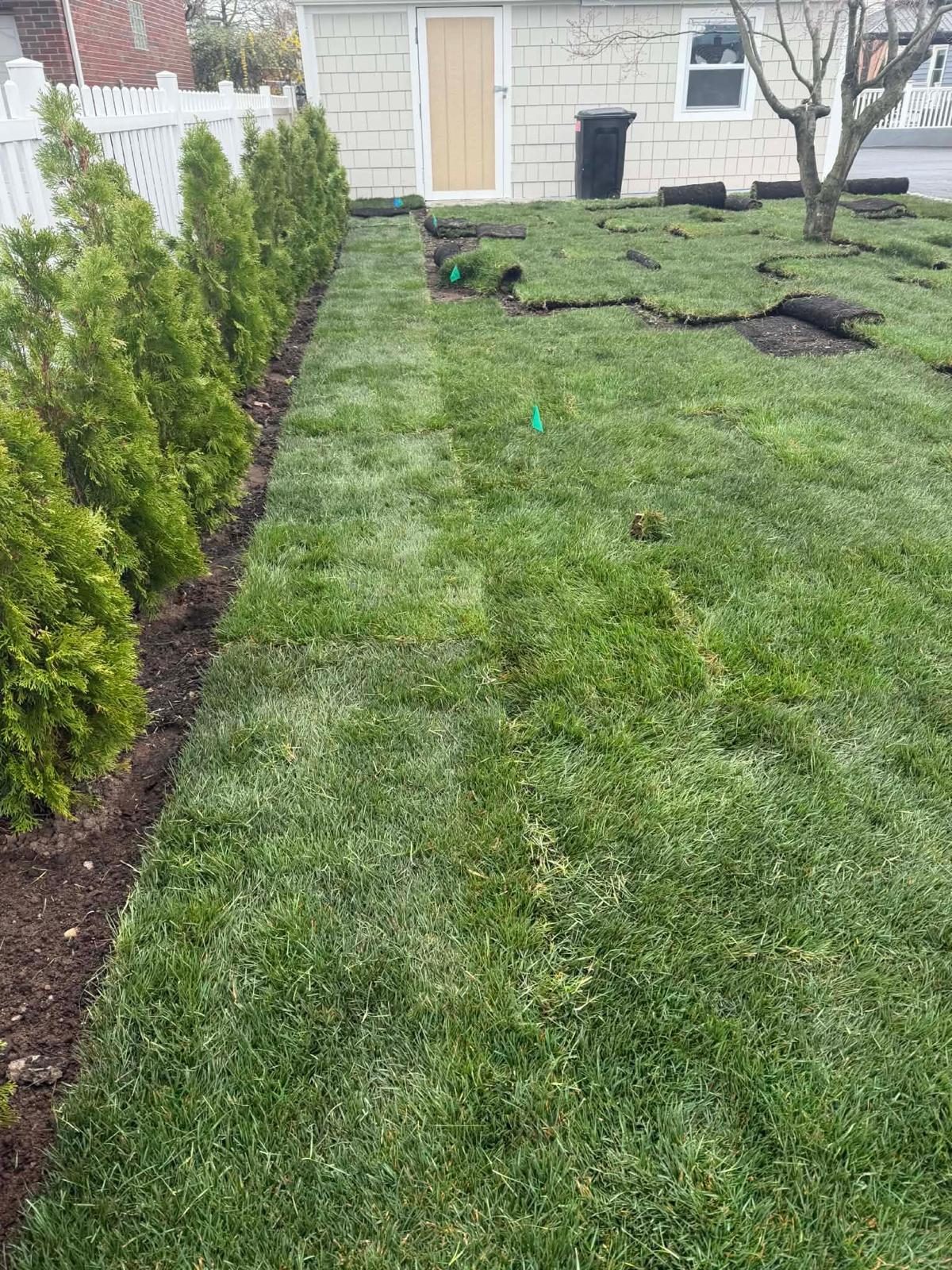
Summer can be a productive time to install sod in New Jersey, but it is also the season when shortcuts show up fast. Heat, thunderstorms, compacted soil, shore humidity, and watering restrictions can all change how a new lawn roots. That is why a New Jersey-specific plan matters more than a generic out-of-state sod page.
For homeowners, builders, landscapers, HOAs, and property managers, the right question is not simply whether sod can be installed in June, July, or August. It is whether the site is ready, whether water is available immediately, and whether delivery and installation can be staged so the turf is not left sitting in summer heat. If the answer is yes, New Jersey sod installation can still deliver a strong result. If not, waiting for a better window may protect the budget.
Can you install sod in New Jersey during summer?
Yes, sod can be installed during a New Jersey summer when the project is managed carefully. The advantage of sod is that it creates an instant lawn surface instead of waiting for seed to germinate. The challenge is that fresh sod has shallow roots at first, so it depends on steady soil moisture during the first few weeks.
In North Jersey counties such as Bergen, Essex, Passaic, Morris, Union, and Somerset, summer projects often need extra attention around slopes, shade lines, clay-heavy soil, and tight residential access. In Central and South Jersey areas such as Middlesex, Mercer, Burlington, Camden, Gloucester, Monmouth, and Ocean, heat, sandier soils, and shore-area wind can dry sod out quickly. A local sod company understands those differences and plans delivery, prep, and watering around them.
When summer sod installation makes sense
A summer install can be the right move when the property has a clear reason to finish now and the owner can support the establishment period. Common examples include new construction closeouts, failed lawns before listing a home, municipal or commercial punch-list work, HOA common areas, event lawns, and residential yards that need erosion control before storms.
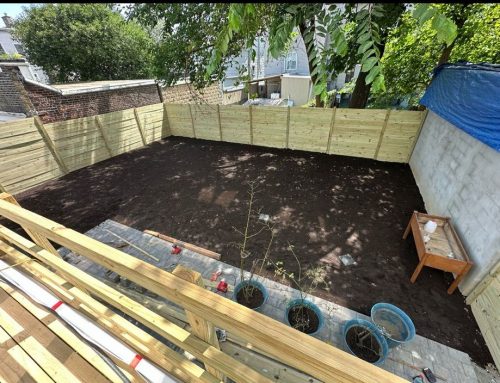
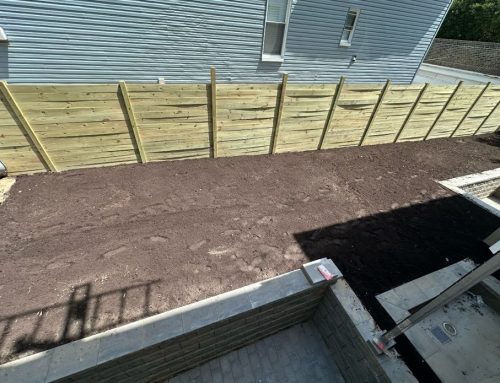
- The ground can be graded, loosened, and cleared before sod delivery in New Jersey arrives.
- Water is available on day one and can reach every part of the lawn area.
- The sod can be installed promptly instead of sitting on a pallet through the hottest part of the day.
- The property owner or site manager is ready to follow the first-week watering plan closely.
- There is no unresolved drainage issue that will leave the sod too dry in one area and soaked in another.
For contractors and builders, summer sod can also help finish a New Jersey property before turnover. The key is coordination. Sod should not be treated as a last-minute cover-up for compacted subsoil, construction debris, or poor drainage. It should be scheduled as the final lawn surface after the site is truly ready.
When it is smarter to wait for spring or fall
Summer is not always the best window. If the property has no reliable irrigation, if watering access is limited, if the soil is rock-hard from construction traffic, or if the homeowner will be away during the first two weeks, a fall install may be safer. See the best time to lay sod in New Jersey page for a broader seasonal breakdown.
Waiting can also make sense after major grading, drainage repairs, or hardscape work. Sod performs best when the soil below it is properly prepared. If the site still needs topsoil adjustment, low-spot correction, or debris removal, rushing the sod just to meet a summer date can create avoidable stress.
Summer watering priorities for New Jersey sod
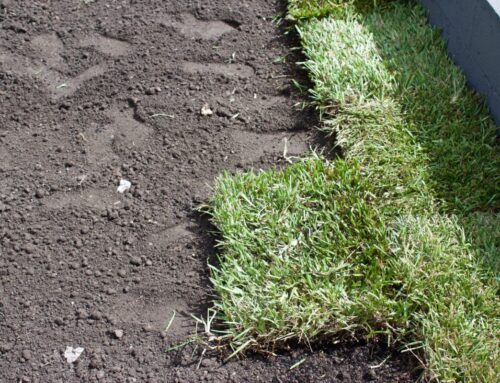
The first days after installation are the highest-risk period. New sod needs moisture at the root zone, not just a quick spray on the leaf blades. In hot New Jersey weather, that may mean multiple light watering cycles early on, followed by deeper watering as roots begin to knit into the soil.
The goal is to keep the sod and upper soil consistently moist without creating standing water. Clay-heavy lawns in parts of North and Central Jersey may hold water longer, while sandy or shore-adjacent soils can dry faster. Shade from mature trees in older neighborhoods can also change watering needs from one section of the yard to another.
Delivery timing matters more in summer
Fresh sod is a living product. In summer, delivery logistics are not a small detail; they are part of the quality plan. Pallets should be staged where installers can work efficiently, and the project should be ready before the truck arrives. That reduces heat stress and helps the sod get onto prepared soil faster.
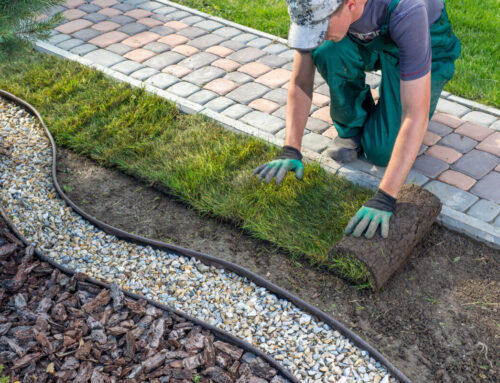
For homeowners ordering a delivery-only project, the sod delivery in New Jersey page is a helpful starting point. For projects where timing, prep, and installation need to be coordinated together, a full-service installation can reduce the risk of delays between delivery and placement.
Homeowners, builders, HOAs, and commercial sites all need different summer plans
A small residential front yard in Union County is not the same as a builder closeout in Middlesex County, a townhome common area in Mercer County, or a commercial frontage near the Shore. residential sod services are usually focused on curb appeal, access, shade, and watering routines. commercial sod services often add staging, pedestrian traffic, project phasing, and manager communication.
This is where New Jersey Sod Company has an advantage over broad regional pages that mention New Jersey without showing local understanding. The plan should reflect New Jersey soil, county-by-county conditions, local timing, and how sod is actually received and maintained here.
Quick summer sod checklist before you order
- Confirm the square footage and add a sensible waste allowance for cuts and edges.
- Finish grading, debris removal, and soil preparation before delivery day.
- Check hose reach, irrigation coverage, and water pressure ahead of time.
- Plan delivery access so pallets can be staged close to the work area.
- Avoid scheduling sod before heavy construction traffic is finished.
- Review the New Jersey sod installation guide if you are comparing delivery-only and full installation options.
FAQ: summer sod installation in New Jersey
Is July too hot to install sod in New Jersey?
July can be workable if the site is ready, the sod is installed quickly, and watering is consistent. It is riskier when the property cannot be watered immediately or when sod will sit for too long before installation.
Is fall better than summer for sod in New Jersey?
Fall is often easier because temperatures are cooler and soil can stay moist longer. Summer can still make sense for urgent projects, construction deadlines, and properties with strong watering support.
Can new sod survive a New Jersey heat wave?
New sod can survive hot weather, but the first few weeks require close moisture management. During extreme heat, watering coverage and timing become critical.
Should contractors schedule sod before or after final grading?
Sod should come after final grading, cleanup, and soil preparation. Installing sod over compacted, uneven, or debris-filled soil creates problems that watering alone cannot fix.
Talk with a New Jersey sod company before choosing the date
If you are deciding whether to install now or wait for a cooler window, contact New Jersey Sod Company. New Jersey Sod Company can help you think through delivery timing, site readiness, and whether your project is better suited for summer installation or a spring/fall schedule.