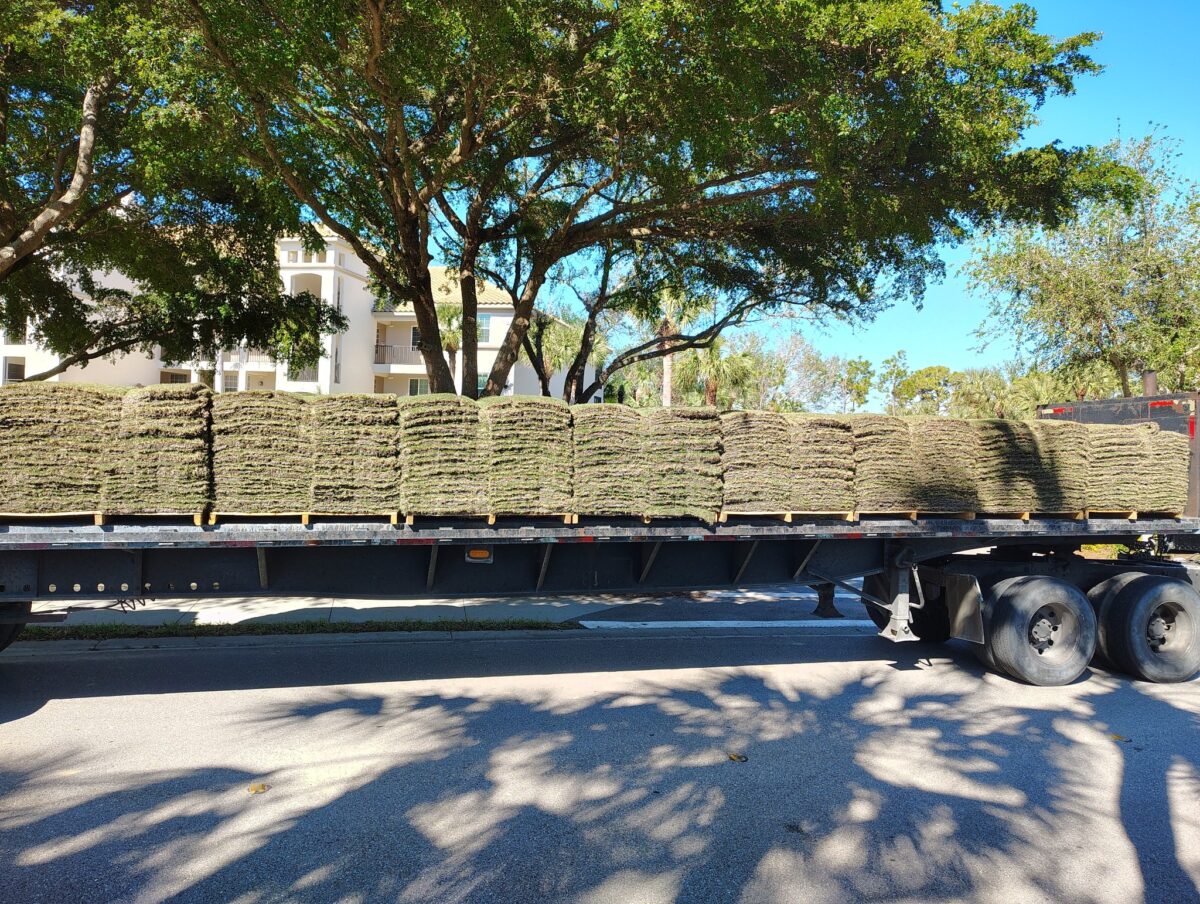
For contractors and builders in New Jersey, sod delivery is not just a landscape line item at the end of a project. It is often the final visible handoff before a homeowner, HOA board, property manager, inspector, or commercial tenant judges the site. A clean, green lawn can make a new construction home, renovated storefront, multifamily entrance, municipal property, or builder punch-list item look finished. A late delivery, poorly staged pallets, or sod that sits too long in summer heat can create the opposite result.
That is where a New Jersey-specific sod plan matters. Generic out-of-state sod pages may list towns and counties, but they rarely speak to how jobs actually move across North Jersey, Central Jersey, South Jersey, and the Shore. Delivery access in Bergen or Hudson County can look very different from a builder lot in Morris, Somerset, Mercer, Monmouth, Ocean, Burlington, Camden, Gloucester, Atlantic, or Cape May County. The best results come from coordinating fresh sod delivery around local timing, site readiness, traffic, staging space, watering access, and the way Northeast lawns establish through spring, fall, summer heat, and winter dormancy.
New Jersey Sod Company helps contractors, builders, landscapers, commercial property teams, and homeowners think through those details before the truck arrives. If you are comparing options, start with sod delivery in New Jersey and use this guide to plan a smoother project handoff.
Why contractor sod delivery in New Jersey needs more than a town-name page
Out-of-state or multi-state competitors often publish broad “sod delivery” pages for New Jersey towns. Those pages can help them appear in search, but they usually leave contractors with unanswered jobsite questions: When should the site be fine-graded? Where can pallets be staged without blocking subs? How quickly should sod be installed after delivery? What happens if the job is near the Shore with sandy soil, or in North Jersey where shade, slopes, and narrow streets complicate access?
Contractors and builders need a more practical plan. On a residential build, sod may need to line up with closing dates, driveway completion, final grading, irrigation startup, and municipal requirements. On a commercial or HOA project, it may need to fit around parking lots, sidewalks, common-area access, resident notices, and a phased schedule. On a landscape contractor job, delivery timing may decide whether a crew can lay the material immediately or loses production time while sod waits on pallets.
Best New Jersey project types for fresh sod delivery
Fresh sod delivery can support several high-intent project types across New Jersey:
- New construction homes: final lawn installation before listing photos, walkthroughs, closings, or buyer move-in.
- Builder punch-list work: replacing disturbed areas after utility, walkway, driveway, drainage, or patio work.
- Landscape contractor projects: fast lawn transformation after grading, hardscape, irrigation, or planting work.
- Commercial properties: office, retail, municipal, school, church, multifamily, and light industrial lawns that need a clean finished look.
- HOAs and property managers: entrances, common areas, courtyard lawns, slope repairs, and high-visibility resident areas.
- Residential renovation jobs: lawns damaged by additions, pools, septic work, drainage corrections, or heavy equipment access.
For jobs where the customer wants delivery plus professional installation support, review New Jersey sod installation services. For larger sites, HOA work, public-facing properties, and builder/commercial handoffs, the commercial sod services page is the better next step.
Timing fresh sod delivery around New Jersey weather
New Jersey’s cool-season lawn calendar is one of the biggest differences between a useful local guide and a generic delivery page. Spring and fall are usually the most forgiving windows because cooler temperatures and seasonal moisture help new sod root without the same stress that comes with midsummer heat. That does not mean sod cannot be installed in other periods, but it does mean contractors should plan water, labor, and site readiness more tightly when conditions are hot, dry, windy, or unusually cold.
In North Jersey counties like Bergen, Passaic, Morris, Essex, Hudson, Union, and Somerset, spring projects may run into wet soils, shaded lots, and tight access. In Central Jersey and Shore counties such as Middlesex, Mercer, Monmouth, Ocean, Atlantic, and Cape May, heat, sandy soil, and coastal wind can change how quickly sod dries after installation. South Jersey projects in Burlington, Camden, Gloucester, and surrounding areas can also face strong summer heat and open-site exposure.
If the schedule is flexible, compare the project timeline with the best time to lay sod in New Jersey. If the deadline is fixed, the key is to coordinate delivery so sod is installed promptly and watered correctly right after placement.
Site readiness checklist before the sod truck arrives
A good delivery can still go wrong if the site is not ready. Contractors and builders should confirm these items before scheduling sod:
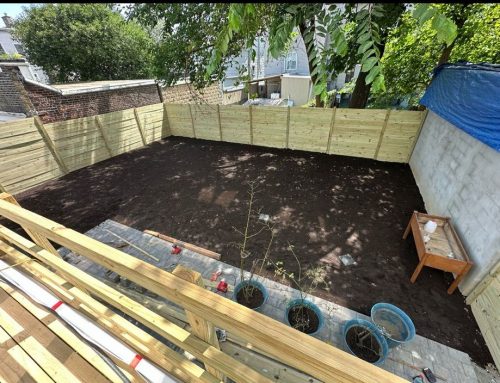
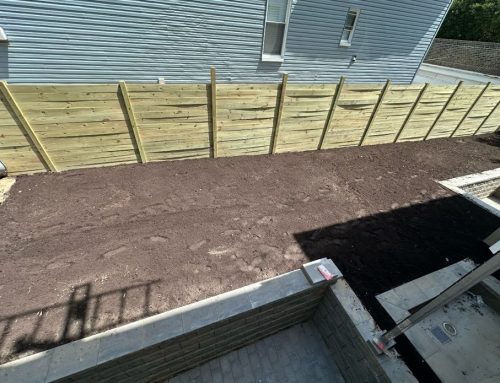
- Final grade is complete. Sod should not be used to hide ruts, debris, low spots, or poor drainage.
- Soil is prepared and firm, not compacted. Heavy construction traffic can leave soil too hard for healthy root contact.
- Debris is removed. Stone, lumber scraps, concrete washout, roots, and trash should be cleared before delivery day.
- Irrigation or watering access is ready. New sod needs water immediately. Do not wait until after the lawn is finished to figure out hoses, spigots, irrigation zones, or water access.
- Pallet staging is planned. Decide where sod can be unloaded without blocking garages, dumpsters, sidewalk work, other trades, or traffic.
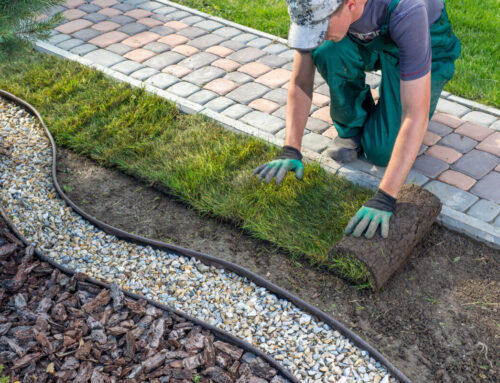
- The install crew is scheduled. Sod should be laid quickly after delivery, especially during warm New Jersey weather.
For a deeper step-by-step view, use the New Jersey sod installation guide before finalizing the delivery date.
Delivery logistics: what contractors should confirm
Delivery logistics are often the difference between a smooth sod day and a frustrating delay. New Jersey jobs can involve tight residential streets, limited shoulder space, gated communities, school or municipal properties, active commercial lots, and dense neighborhoods where staging has to be precise.
Access and unloading
Before delivery, confirm whether a truck can reach the unloading area safely. Builders in newer subdivisions may have easier access, while older neighborhoods in Bergen, Essex, Union, Hudson, and Passaic County may require more planning around parked cars, narrow roads, utility work, and driveway limitations. Shore-area properties can add another layer with seasonal traffic, tight lots, and sandy staging areas.
Pallet placement
Place pallets as close to the work area as practical without creating a safety issue or blocking other trades. On larger commercial and HOA sites, a phased pallet plan may help crews move faster and reduce wheelbarrow or equipment traffic across prepared soil.
Same-day installation
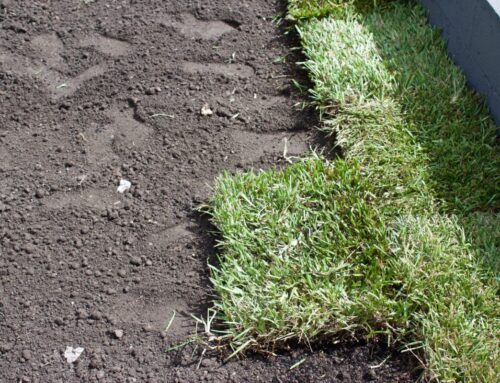
Fresh sod is a living product. Contractors should plan for installation as soon as possible after delivery rather than letting pallets sit through the heat of the day. This is especially important on exposed summer jobs, commercial lots with radiant heat from pavement, and open builder sites with wind and sun.
Watering and handoff after delivery
A contractor’s job is not complete when the last roll is laid. The first watering and customer handoff matter. New sod should be watered immediately after installation so the sod and prepared soil make good contact. For builders and property managers, the responsible party should be clear before delivery day: homeowner, builder, landscaper, irrigation contractor, maintenance company, or HOA vendor.
For residential projects, the customer should understand that the lawn may look finished on day one but still needs careful watering and limited foot traffic while it roots. For commercial and HOA projects, signs, temporary barriers, resident notices, or maintenance instructions can protect the investment during the establishment period.
If the project is for a homeowner rather than a builder or contractor, the residential sod services page explains the owner-facing side of delivery and installation.
How New Jersey specificity helps protect project results
New Jersey is small on a map, but sod projects vary widely by region. A North Jersey shaded backyard, a Central Jersey new construction lot, a Monmouth or Ocean County coastal property, and a South Jersey commercial frontage can all have different soil, access, watering, and scheduling concerns. That is why a local New Jersey sod company can be more useful than a generic page built to rank across several states.
Local planning helps contractors and builders reduce surprises: better delivery timing, more realistic staging, clearer watering responsibilities, and a stronger final presentation. It also gives customers confidence that the team understands New Jersey lawns, not just sod as a product.
FAQ: Fresh sod delivery for New Jersey contractors and builders
How far in advance should contractors schedule sod delivery in New Jersey?
Schedule as soon as the project timeline is clear, but wait to lock the final date until grading, soil preparation, access, and watering are ready. The goal is to have fresh sod arrive when crews can install it promptly, not days before the site is prepared.
Can sod be delivered to active construction sites?
Yes, but active construction sites need a staging plan. Confirm truck access, pallet locations, other trade schedules, and whether the prepared soil will be protected from equipment traffic before and after delivery.
Is spring or fall better for builder sod projects in New Jersey?
Spring and fall are often preferred because cool-season sod can establish with less heat stress. Builder schedules are not always flexible, though, so summer projects should include stronger watering coordination and faster installation after delivery.
Should contractors order sod delivery only or full installation?
It depends on crew availability, site complexity, and the quality expectation for the handoff. Delivery-only can work for experienced landscape crews. Full installation support may be better when the project has tight timing, high visibility, complicated access, or limited labor.
What should be ready before sod delivery day?
Final grading, soil preparation, debris removal, watering access, pallet staging, and installation labor should all be ready before the truck arrives. New sod performs best when it is installed quickly and watered immediately.
Plan sod delivery for your New Jersey project
If you are coordinating a builder, contractor, HOA, commercial, or residential project in New Jersey, plan sod delivery before the final week becomes rushed. New Jersey Sod Company can help you think through delivery timing, site readiness, installation options, and the right next step for your property.
Start with New Jersey sod delivery, compare whether professional sod installation makes sense, or contact New Jersey Sod Company to discuss your project.