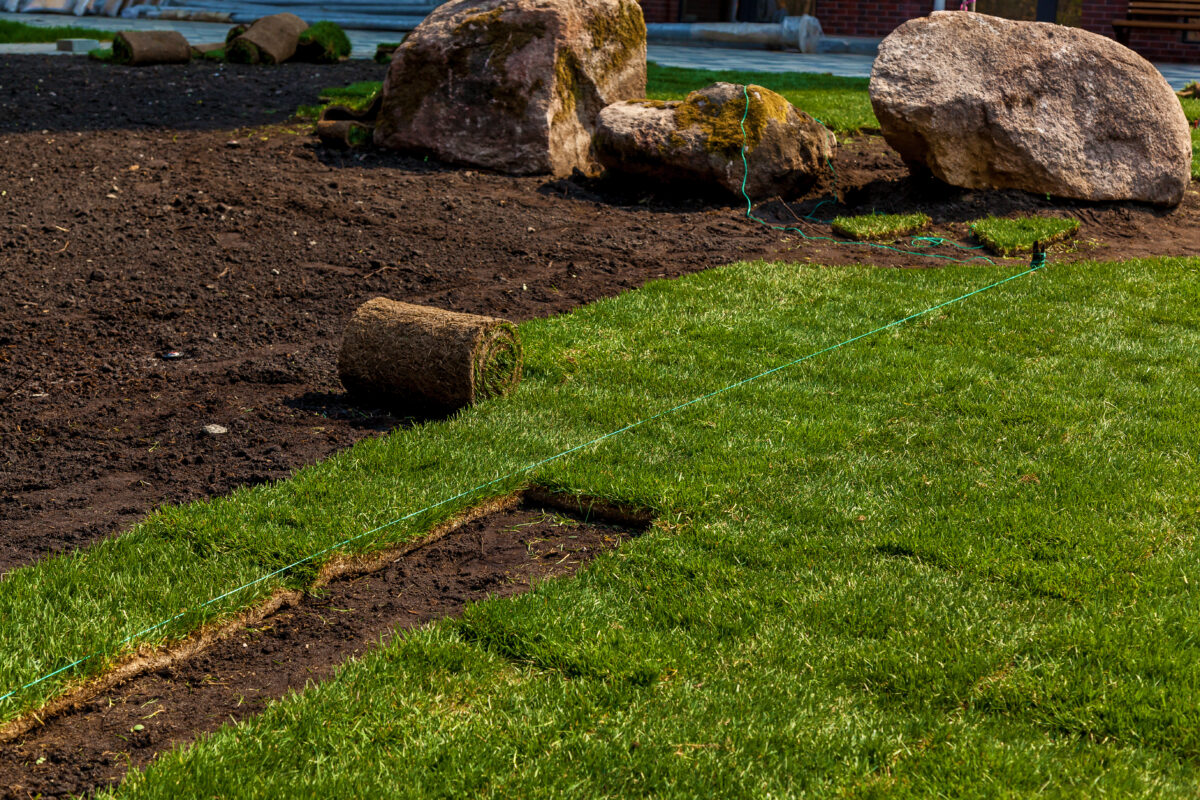
Installing new sod is one of the fastest ways to transform your yard into a lush, green space. But even with high-quality sod, your results depend on how well the installation process is done. Simple mistakes during preparation or aftercare can prevent the grass from taking root or growing evenly.
Before you begin your lawn sod installation, take time to understand the most common missteps homeowners make and how to avoid them for results that last.
Skipping Proper Soil Preparation
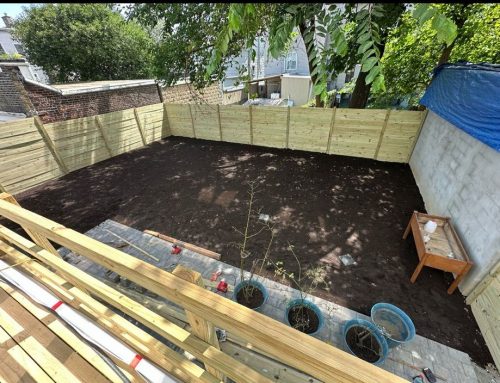
One of the biggest mistakes in lawn sod installation is laying sod on unprepared soil. Sod needs a strong foundation to root effectively, and compacted or uneven soil can quickly lead to drainage issues and patchy growth.
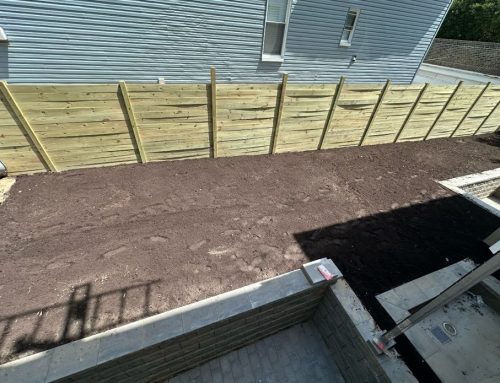
Professional installers always begin by testing and preparing the soil. This includes removing debris, loosening compacted areas, correcting the grade, and ensuring proper drainage.
The experts at New Jersey Sod Company handle this essential step in every sod installation in New Jersey to ensure your new grass has the best chance to thrive from day one.
Choosing the Wrong Type of Sod
Not all grass varieties perform the same way in New Jersey’s climate. Selecting the wrong sod type for your yard’s sun exposure or soil conditions can cause problems within the first growing season.
To achieve lasting results, work with a company that understands the region’s environment and can help you choose sod suited to your property. Choose the Right Grass for Your New Jersey Lawn is a great resource for comparing options like Tall Fescue, Kentucky Bluegrass, and Zoysia.
Local professionals can assess your yard and recommend the best option based on factors such as shade, drainage, and maintenance preferences.
Letting Sod Sit Too Long Before Installation
Fresh sod should be installed as soon as possible after delivery. Letting it sit for more than 24 hours can cause the roots to dry out and the grass to wilt.
Companies that specialize in both sod delivery and installation in New Jersey coordinate timing carefully to ensure freshness. Sod that’s installed promptly will take root faster and maintain its vibrant green color.
If you’re handling installation yourself, make sure the ground is fully prepped before the sod arrives so you can begin laying it immediately.
Failing to Stagger Seams Correctly
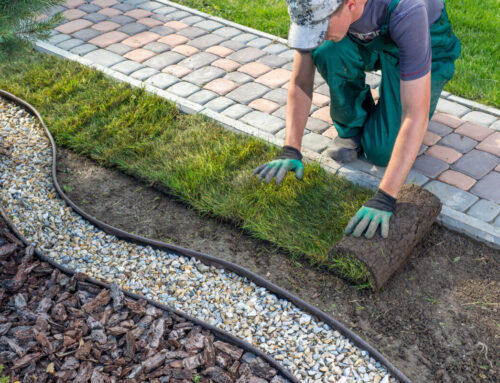
When laying sod, it’s important to stagger the seams rather than lining them up in straight rows. This prevents visible gaps and helps the grass grow together seamlessly. Poor alignment can create uneven edges where weeds may grow or water may pool.
Experienced installers use a brick-like pattern that ensures consistent coverage. The team at New Jersey Sod Company pays close attention to these details during lawn sod installation to guarantee smooth, professional results.
Overlapping or Leaving Gaps Between Sod Pieces
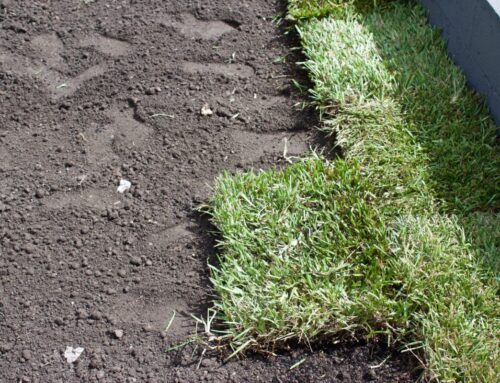
Overlapping sod pieces can cause uneven surfaces, while gaps can dry out and lead to dead patches. Each piece of sod should fit snugly against the next without stretching or overlapping.
Professionals use tight seams to keep roots in contact with the soil beneath, allowing for faster establishment and consistent growth. If gaps appear after installation, fill them with topsoil or small sod pieces to encourage even rooting.
Not Watering Properly After Installation
Watering is one of the most important factors for successful sod installation. New sod needs consistent moisture to develop roots, especially during the first two weeks.
Under-watering can cause the grass to dry out and shrink, while over-watering can lead to root rot and disease. A general rule is to keep the soil consistently moist but never soggy.
For guidance on watering schedules and aftercare, refer to the New Jersey Sod Care and Maintenance Guide. Following these steps ensures your lawn remains healthy long after installation.
Ignoring Proper Lawn Grading
Poor grading can cause water to pool in certain areas, damaging your sod and creating uneven color and growth. Before installation, check that your yard slopes slightly away from your home or hard surfaces for proper drainage.
When handled by professionals, grading is part of the preparation process. At New Jersey Sod Company, crews inspect your yard, address drainage issues, and create a smooth, level surface for sod installation.
Mowing Too Soon
Cutting new sod before it has rooted can pull up sections of grass and damage fragile roots. It’s best to wait until the sod has firmly attached to the soil, usually about two to three weeks, before mowing for the first time.
When you do mow, make sure the blades are sharp and never cut off more than one-third of the grass height. A clean, even cut helps encourage stronger growth and healthier turf.
Skipping Professional Installation Altogether
DIY lawn installation may seem cost-effective, but even small mistakes can lead to wasted time and money. Professional installers understand the proper timing, techniques, and materials needed to achieve lasting results.
Homeowners who work with an experienced sod installation company in New Jersey benefit from professional soil preparation, high-quality sod, and expert aftercare advice—all of which contribute to a longer-lasting, healthier lawn.
Avoid Common Mistakes with New Jersey Sod Company
When you want to ensure your lawn sod installation looks great and lasts for years, trust the experts at New Jersey Sod Company. Their team handles every step of the process, from soil preparation and grading to sod delivery and installation, so you can enjoy a beautiful, durable lawn without the guesswork.
Whether you need residential sod services for your home or commercial sod installation for your business property, New Jersey Sod Company provides the expertise, quality, and care your project deserves.
Contact New Jersey Sod Company today to schedule your sod installation in New Jersey and discover how easy it is to achieve a lawn that stays healthy and vibrant season after season.