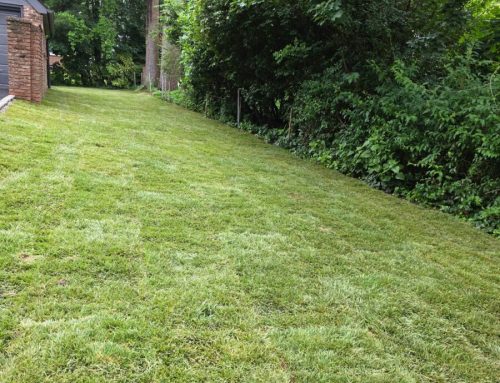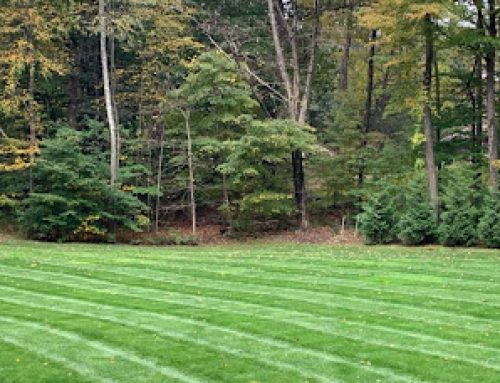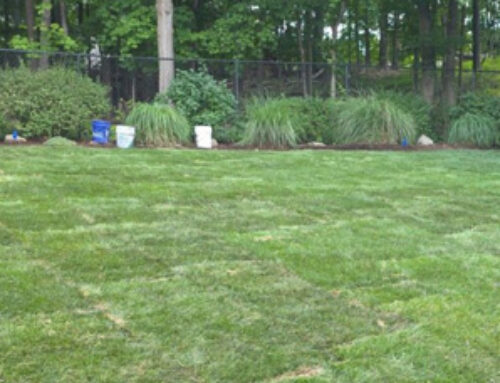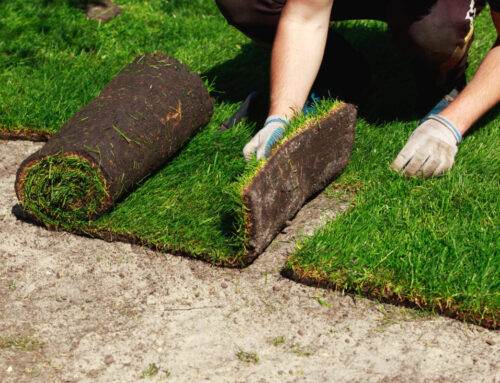
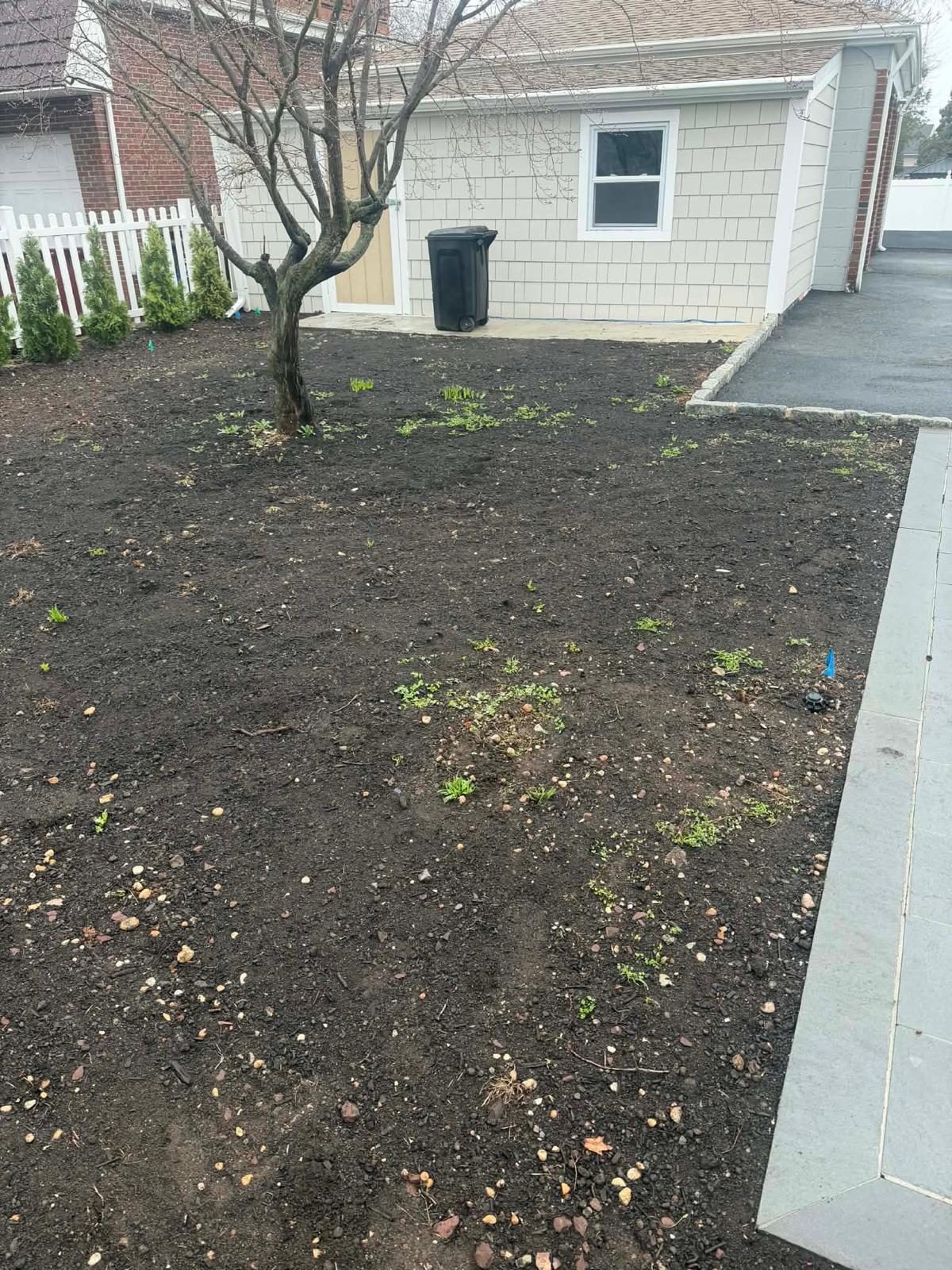
Ocean County lawns are not all the same. A sod job in Toms River, Brick, Lakewood, Jackson, Point Pleasant, Barnegat, or near Long Beach Island can involve different sun exposure, sandy soil, irrigation pressure, driveway access, and salt-air stress than a project farther inland. That is why homeowners, builders, contractors, HOAs, and property managers should plan sod installation with a New Jersey-focused company that understands local conditions instead of relying on a broad out-of-state delivery page.
Why Ocean County Sod Projects Need Local Planning
Ocean County sits between inland New Jersey neighborhoods, busy Shore communities, and barrier-island conditions. The practical result is that sod planning needs to account for more than square footage. Sandy areas may drain quickly, compacted new-construction lots may need better grading, and coastal properties may need tighter watering attention during wind or heat.
A local New Jersey sod company can help buyers think through realistic delivery timing, staging, and first-week care before the truck arrives. That local planning is especially important for:
- Residential lawn replacements after construction, drainage work, or tree removal
- Builder and contractor projects with tight closing or punch-list schedules
- HOA and property-manager common areas that need a clean, finished appearance
- Shore-area yards where access, parking, and watering windows can be more limited
- Commercial frontage where curb appeal matters immediately after installation
Best Timing for Sod Installation in Ocean County
For most cool-season New Jersey lawns, spring and fall are the friendliest installation windows. Soil temperatures are workable, heat stress is lower, and new sod has a better chance to root before summer or winter extremes. Ocean County projects can still happen outside those windows, but the plan needs to match the weather.
Spring installations are useful when a property needs quick curb appeal after winter damage or early-season construction. Fall installations are often excellent because cooler nights and steadier moisture help rooting. Summer installations can work when watering is reliable, but they demand more attention during the first few weeks.
For a deeper timing breakdown, see the best time to lay sod in New Jersey resource.
Delivery Access: What to Confirm Before Ordering
Ocean County has a wide mix of property layouts. A suburban driveway in Jackson is different from a tight Shore street near Point Pleasant or a job site with limited staging near Long Beach Island. Before ordering, confirm where the sod can be placed, whether a driveway or curb area is available, and how quickly the installation crew or homeowner can begin laying it.
Sod is perishable. It should not sit around waiting while the site is still being graded, irrigation is unfinished, or access is blocked. Strong delivery planning reduces stress on the grass and helps the finished lawn look better from day one.
Buyers who only need material can start with New Jersey sod delivery. Projects that need labor, grading coordination, or a full installation plan should review New Jersey sod installation services.
Soil Prep Matters More Near the Coast
Many Ocean County properties deal with sandier soil, quick drainage, or areas disturbed by construction. Sod can hide problems for a few days, but poor prep shows up later as dry edges, uneven rooting, soft spots, or thin areas. Before installation, the site should be cleared, graded, firmed, and ready for root contact.
Important prep questions include:
- Is the grade smooth enough to avoid puddling or scalped mower areas?
- Has old grass, debris, stone, and construction waste been removed?
- Will the soil hold enough moisture for new sod to root?
- Are irrigation zones working before the sod arrives?
- Can the installation begin immediately after delivery?
The New Jersey sod installation guide is a helpful starting point for understanding how prep, installation, and care fit together.
Watering New Sod in Ocean County
Fresh sod needs consistent moisture while roots knit into the soil. In Ocean County, wind, sandy soil, heat, and full-sun exposure can dry edges faster than expected. That does not mean flooding the lawn. It means checking moisture frequently and adjusting based on the property.
During the first phase, the goal is to keep the sod and topsoil from drying out. As rooting improves, watering should gradually move toward deeper, less frequent cycles. Shore-area lawns, open commercial sites, and sunny new-construction yards may need closer monitoring than shaded inland properties.
Residential, Builder, HOA, and Commercial Use Cases
Ocean County sod buyers are not all ordering for the same reason. A homeowner may want a fast lawn replacement before listing a house. A builder may need finished curb appeal before walkthroughs. An HOA may need common areas restored after drainage or utility work. A business may need clean frontage before a busy season.
That is where a New Jersey-specific approach beats generic multi-state content. The right conversation is not just “do you deliver sod?” It is “what is the site, when will it be ready, where will sod be staged, how soon can it be installed, and what care is realistic after installation?”
Homeowners can review residential sod services in New Jersey. Property managers, contractors, and business owners can review commercial sod services in New Jersey.
Why Choose a New Jersey-Based Sod Company Instead of a Generic Out-of-State Page?
Broad competitor pages often mention New Jersey towns without explaining how New Jersey timing, soil, delivery access, and first-week care actually affect the job. Ocean County buyers need more than a location page. They need practical guidance that reflects Shore access, sandy soil, seasonal timing, and the realities of coordinating sod around construction, irrigation, and property-management schedules.
New Jersey Sod Company is built around the New Jersey market, not a generic Northeast template. That local focus helps buyers ask better questions before ordering and avoid preventable problems after the sod arrives.
FAQ: Sod Installation in Ocean County NJ
What is the best season to install sod in Ocean County, NJ?
Spring and fall are typically the best windows for cool-season sod in New Jersey. Summer installations can still work when watering is dependable and the site is prepared, but heat and wind make early care more demanding.
Does sandy soil change how new sod should be watered?
Yes. Sandier areas can dry faster, especially near coastal or open properties. New sod should be checked frequently during the first couple of weeks so dry edges or hot spots are caught early.
Should sod be delivered before the yard is fully prepared?
No. Sod should arrive when the site is graded, cleared, accessible, and ready for installation. Letting sod sit while prep work is unfinished can hurt the final result.
Can contractors and builders schedule sod around project deadlines?
Yes, but the best results come from coordinating delivery, site readiness, access, and watering before the target installation date. Contractors can use New Jersey Sod Company’s contact page to discuss project timing.
Is Ocean County sod installation different from North Jersey projects?
The basics are similar, but Ocean County can involve more sandy soil, Shore access limitations, wind exposure, and seasonal property schedules. Those details should influence delivery and aftercare planning.
Ready to Plan an Ocean County Sod Project?
If you are replacing a lawn, finishing a new-construction property, restoring an HOA common area, or planning a commercial sod project in Ocean County, start with a local New Jersey conversation. New Jersey Sod Company can help you think through delivery, installation timing, prep, and aftercare before the sod arrives.
Contact New Jersey Sod Company to discuss your Ocean County sod project.