A healthy lawn adds curb appeal, controls erosion, and creates usable outdoor space, but getting there takes more than rolling out grass. Professional sod installation in New Jersey helps homeowners and business owners avoid common mistakes tied to soil conditions, drainage issues, and timing. In a region with dense clay soil, seasonal rain, and temperature swings, proper preparation and installation matter. New Jersey Sod Co provides sod installation across New Jersey with a process built around local conditions, reliable scheduling, and proven results.
What Happens Before Sod Is Installed?
One of the biggest differences between professional work and DIY sod projects is what happens before the first piece of grass arrives. Preparation sets the foundation for how well sod roots, drains, and grows.
Crews begin by inspecting the site for grading problems, compacted soil, and low spots where water may collect. Poor grading can cause water to pool, which leads to weak root growth and uneven color. When handled professionally, grading adjustments are made so water flows away from structures and across the lawn evenly.
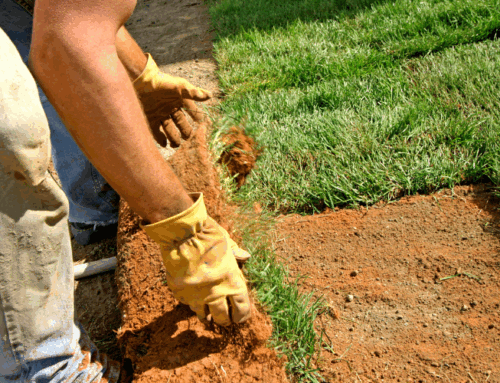
Next comes soil preparation. Existing grass, weeds, and debris are removed. The soil is loosened and leveled to allow roots to establish quickly. In many New Jersey yards, soil amendments are added to improve drainage and nutrient balance, especially in areas with heavy clay or compacted fill. This step helps sod bond with the soil rather than sit on top of it.
How Does Professional Sod Installation Work?
During professional sod installation, timing and technique play a major role in long-term results. Fresh sod is delivered close to installation time to keep it healthy and hydrated.
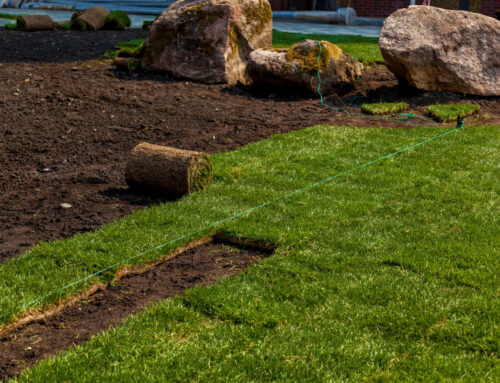
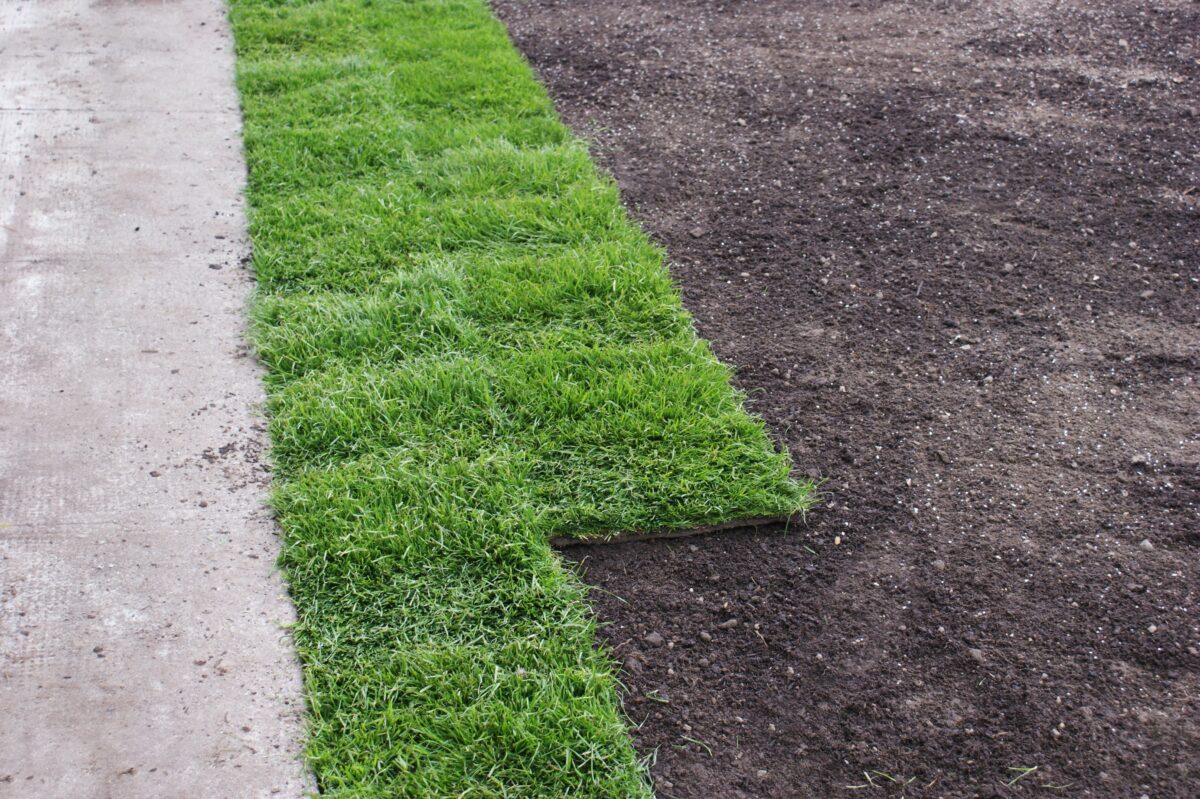
Installation begins along straight edges such as sidewalks or driveways. Each piece is laid tightly against the next to avoid gaps that can dry out or fill with weeds later. Seams are staggered in a brick-like pattern, which improves stability and appearance. Corners and curves are trimmed carefully to keep edges clean and consistent.
Once the sod is in place, it is rolled to remove air pockets and improve contact with the soil. This step helps roots begin bonding right away. Immediate watering follows, soaking the sod and the soil beneath it to support early root development. These details often get missed in rushed or DIY installs, leading to patchy growth or early failure.
Why Is Grading and Drainage So Important in New Jersey?
New Jersey weather brings frequent rain, humid summers, and freeze-thaw cycles in winter. Without proper drainage, water can sit beneath sod and damage roots before they have time to establish.
Professional crews look at slope, runoff patterns, and soil density before installation. Small grading changes can make a major difference in how water moves across the lawn. A smooth, even surface also improves mowing and reduces wear in high-traffic areas.
Drainage planning helps prevent common issues such as yellowing grass, shallow roots, and muddy patches after storms. When grading is handled as part of the installation process, sod has a better chance to root evenly and stay healthy through seasonal changes.
What Type of Sod Is Best for New Jersey Properties?
Not all sod performs the same in New Jersey’s climate. Grass selection depends on sun exposure, soil type, and how the space will be used.
Many residential lawns use cool-season sod varieties that handle temperature changes well and recover quickly from foot traffic. Commercial properties may require more durable options that hold up to heavier use and frequent maintenance.
A professional installer helps match the sod type to the property instead of using a one-size-fits-all option. This reduces long-term maintenance challenges and helps the lawn maintain consistent color and density year-round.
What Should You Expect After Installation?
After sod installation, proper watering and care are key during the first few weeks. New sod needs frequent watering at first to keep roots moist while they establish. Over time, watering transitions to deeper, less frequent cycles.
You should expect clear guidance on when to mow, how long to wait before heavy use, and what signs to watch for as the sod takes root. Most lawns begin rooting within two to three weeks, depending on weather and soil conditions. Full establishment follows with consistent care and proper irrigation.
Professional installation reduces the risk of sod lifting, shrinking seams, or uneven growth, which often occur when preparation or watering steps are skipped.
Why Work with a Local New Jersey Sod Company?
Local experience matters when dealing with soil conditions, seasonal timing, and regional expectations. New Jersey properties vary widely, from coastal areas with sandy soil to inland regions with dense clay and heavy tree cover.
A New Jersey-based sod company understands these differences and plans installations accordingly. Local crews are familiar with scheduling around weather patterns and know which sod varieties perform best in different parts of the state. This local insight helps protect your investment and supports long-term lawn health.
Professional Sod Installation for New Jersey Properties
Choosing professional sod installation in New Jersey means fewer surprises, better drainage, and a lawn built to handle local conditions. From grading and soil preparation to sod selection and aftercare guidance, the process is designed for lasting results. If you are planning a new lawn or replacing existing grass, contact the New Jersey Sod Co team for a quote on professional sod installation in New Jersey and get started with a lawn that is ready to grow.