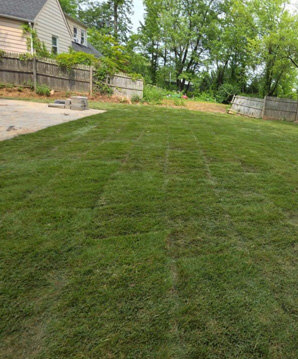
Morris County lawns ask a lot from fresh sod. A property in Morristown, Parsippany, Randolph, Denville, Madison, Chatham, or Mount Olive can deal with compacted fill, mature tree shade, sloped grades, deer traffic, and fast-changing North Jersey weather in the same season. That is why sod installation in Morris County NJ should be planned around local timing, practical site preparation, and the first few weeks of watering—not just the day the pallets arrive.
New Jersey Sod Company focuses on New Jersey sod work, so the conversation is different from a generic out-of-state delivery page. Morris County buyers need guidance that fits cool-season turf, spring and fall installation windows, local access constraints, and the way North Jersey lawns come out of winter dormancy.
Why Morris County Sod Projects Need Local Planning
Morris County has a mix of older suburban neighborhoods, new construction, commercial properties, HOAs, and larger residential lots. A sod project near a tight driveway in Madison is not planned the same way as a larger open lawn in Chester or a commercial common area in Parsippany. The basic goal is the same—fresh sod on properly prepared soil—but the logistics can change quickly.
Before ordering sod, confirm the square footage, access point, grade, irrigation plan, and whether old grass or construction debris needs to be removed. If you are still comparing delivery-only versus full installation, start with New Jersey Sod Company’s sod installation services in New Jersey and sod delivery across New Jersey pages.
Best Timing for Sod Installation in Morris County
For most Morris County lawns, spring and fall are the most forgiving windows. Cool-season lawns root best when the soil is workable, daytime heat is manageable, and watering can stay consistent. Early spring can work once the ground is ready, while fall is often strong because the soil is still warm and the air is cooler.
Summer sod installation can still be done, but it requires tighter watering discipline and faster coordination from delivery to installation. Winter installation is more limited because frozen soil, snow cover, and dormant turf slow rooting. For deeper timing guidance, review the best time to lay sod in New Jersey.
Soil Prep Matters More Than the Roll of Sod
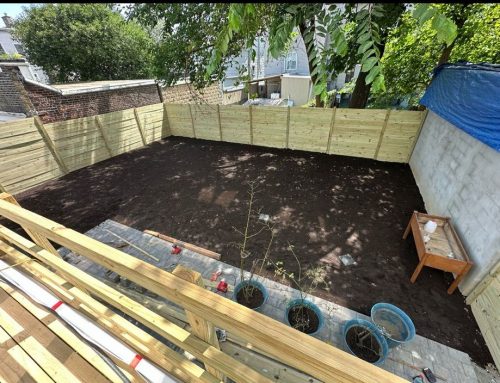
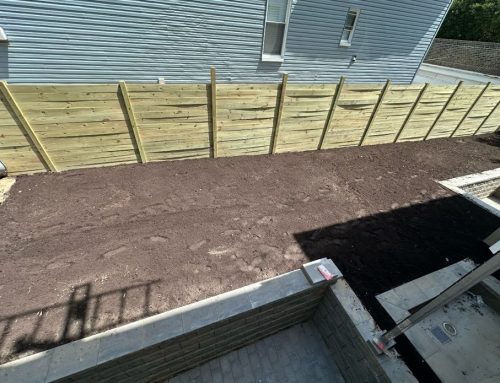
The best sod can fail if it is placed over compacted, uneven, or debris-filled soil. Morris County properties often have clay-heavy areas, rocky spots, shaded sections under mature trees, and construction-disturbed soil around additions or new homes. Proper preparation helps the roots make soil contact quickly.
Key prep steps before installation
- Remove old grass, weeds, rocks, and construction debris.
- Loosen compacted topsoil where needed so roots can establish.
- Grade away from the house and avoid low spots that hold water.
- Confirm sprinkler coverage or hose access before delivery day.
- Measure carefully so the order matches the actual lawn area.
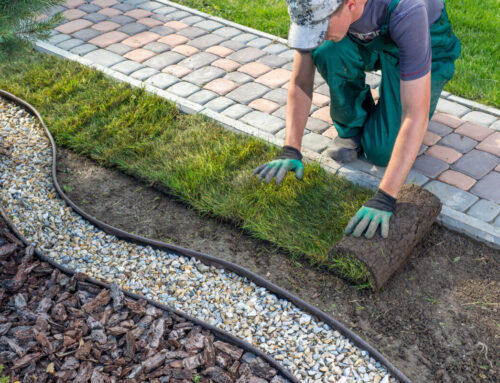
If the project includes a builder, landscaper, or property manager, coordinate prep and delivery timing before the sod is cut or shipped. The New Jersey sod installation guide is a useful starting point for understanding how prep, delivery, and installation connect.
Delivery Logistics for Morris County Homes and Job Sites
Sod is time-sensitive. Once delivered, it should be installed as quickly as practical, especially during warm weather. Morris County projects can include narrow streets, steep driveways, limited staging space, wooded lots, or HOA rules about where materials can be placed. Those details matter before the truck arrives.
For homeowners, the main question is where pallets can be placed without blocking access or damaging surfaces. For contractors and builders, the concern is sequencing: final grading, irrigation, cleanup, and sod delivery should line up so turf is not sitting while other trades finish. Commercial and HOA projects may also need phasing so common areas remain accessible.
Watering Fresh Sod in North Jersey
The first month is when most sod success is won or lost. Fresh sod needs consistent moisture at the root zone without turning the lawn into mud. In Morris County, watering needs can change quickly with shade, slope, wind, and temperature.
First-week watering priorities
- Begin watering shortly after installation, unless rain is already doing the job.
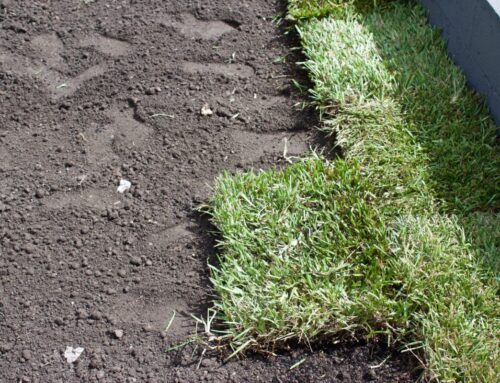
- Keep seams and edges from drying out first; they are usually the most vulnerable.
- Check that water is reaching sloped or sunny areas evenly.
- Avoid heavy foot traffic until the sod starts rooting into the soil.
- Adjust watering based on weather instead of using a one-size-fits-all timer.
North Jersey lawns may need different attention than shore-area or South Jersey lawns because shade, elevation, and soil texture vary. That is one reason a New Jersey-specific sod company is better positioned than a broad regional page that treats every town the same.
Residential, Builder, HOA, and Commercial Sod Needs
Morris County sod projects are not all residential backyard jobs. A new construction home may need final grade corrections and tight coordination with closing timelines. A commercial property in Parsippany or Florham Park may need a clean finish around entrances, signage, sidewalks, or common areas. HOAs and property managers often need clear staging, predictable scheduling, and minimal disruption.
New Jersey Sod Company supports both residential sod services and commercial sod services across New Jersey, with guidance built around local turf timing and practical job-site coordination.
How NJ Sod Beats Generic Out-of-State Sod Pages
Generic competitor pages often list New Jersey towns without explaining how the lawn work actually changes on the ground. Morris County buyers need more than a location name. They need to know when to install, how to prep local soil, how to coordinate delivery, and what to do during the first watering window.
A New Jersey-based sod resource can speak directly to North Jersey conditions: cool-season establishment, winter recovery, spring and fall timing, tight suburban access, contractor scheduling, and the mix of residential and commercial properties found throughout Morris County.
FAQ: Sod Installation in Morris County NJ
When is the best time to install sod in Morris County?
Spring and fall are usually the most forgiving windows because temperatures are moderate and cool-season turf can root without the stress of peak summer heat. Summer installation may still work with careful watering and fast installation after delivery.
Can sod be installed on a shaded Morris County lawn?
Many Morris County properties have mature trees and partial shade. Sod can work in some shaded lawns, but soil prep, watering, mowing height, and realistic expectations matter. Deep shade may require extra evaluation before ordering.
Should I choose delivery-only or full installation?
Delivery-only can make sense if the site is already prepared and you have labor ready. Full installation is usually better when old grass removal, grading, soil prep, or tight timing is involved.
How soon should sod be watered after installation?
Fresh sod should be watered shortly after installation so the root zone stays moist. The exact amount depends on weather, soil, sun exposure, slope, and irrigation coverage.
Do contractors and builders need to schedule differently?
Yes. Builder and contractor projects should coordinate final grading, cleanup, irrigation, delivery access, and installation labor before sod arrives so pallets are not left sitting on site.
Plan a Morris County Sod Project
If you are planning sod installation in Morris County or comparing delivery and installation options for a New Jersey property, contact New Jersey Sod Company. Share the location, approximate square footage, site condition, timing goal, and whether the project is residential, commercial, HOA, builder, or contractor-led.