
Uneven or bare patches in your New Jersey lawn can be more than just an eyesore—they’re invitations for weeds, pests, and erosion. Fortunately, fresh sod offers a quick and lasting solution. Whether your lawn has settled over time or suffered damage from pets, foot traffic, or disease, here’s how to effectively repair those patches and restore a seamless, lush lawn.
Step 1: Identify the Cause
Before fixing patches, determine why they occurred. Common causes include:
- Pet urine or digging
- Soil compaction
- Fungus or insect damage
- Poor drainage
- Overuse or heavy foot traffic
Knowing the cause helps you prevent future issues. For example, if drainage is the culprit, you’ll need to fix the grading or install a drain before laying new sod.
Step 2: Remove Damaged Sod or Weeds
Use a flat shovel to cut out the affected area, removing dead grass, weeds, and about 1–2 inches of soil. Make clean, square edges to ensure the new sod patch fits snugly. If you’re dealing with a large area, you may want to rent a sod cutter.
Step 3: Loosen and Level the Soil
Till the exposed soil lightly to break up compaction. Mix in compost or topsoil if the area is low compared to surrounding turf. Rake the surface smooth and level so that the new sod sits flush with the existing lawn.
Step 4: Cut and Fit the New Sod
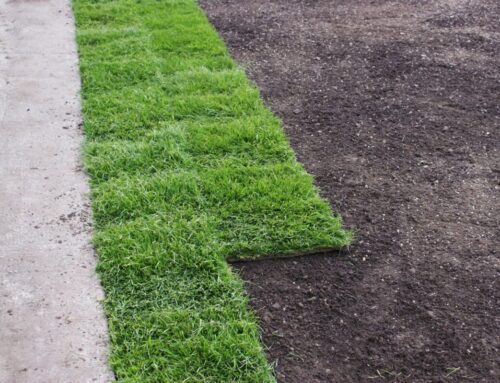
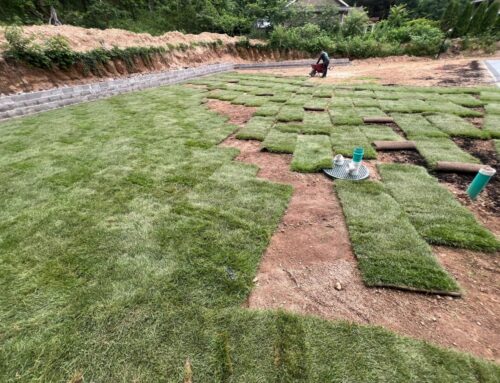
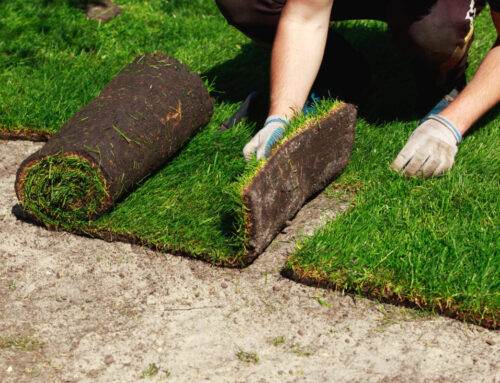
Using a utility knife, trim a piece of fresh sod to match the size and shape of the removed area. Press the sod patch firmly into place, ensuring there are no gaps between the new and existing grass. For larger patches, stagger seams to help them blend naturally.
Step 5: Water Immediately
Water the area right away to help the sod bond with the soil. Keep the area consistently moist for the next 10–14 days. Avoid walking on it during this time.
Step 6: Mow and Maintain
Once the new sod grows to 3–4 inches, mow gently at a high setting. Avoid cutting more than one-third of the blade height. Continue watering less frequently but more deeply as roots develop.
Tips for Seamless Results
- Choose sod from the same supplier or blend to match grass type and color.
- Fill any minor gaps between patches with topsoil to encourage knitting.
- Avoid fertilizing immediately. Wait 4–6 weeks before applying a starter fertilizer.
Patch repair with sod is one of the fastest ways to bring uniformity and health back to your lawn. With good preparation and care, those problem areas will disappear in no time.