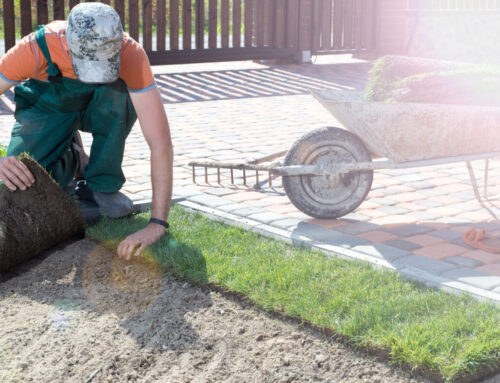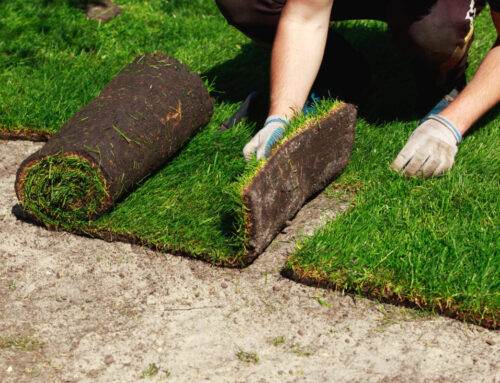
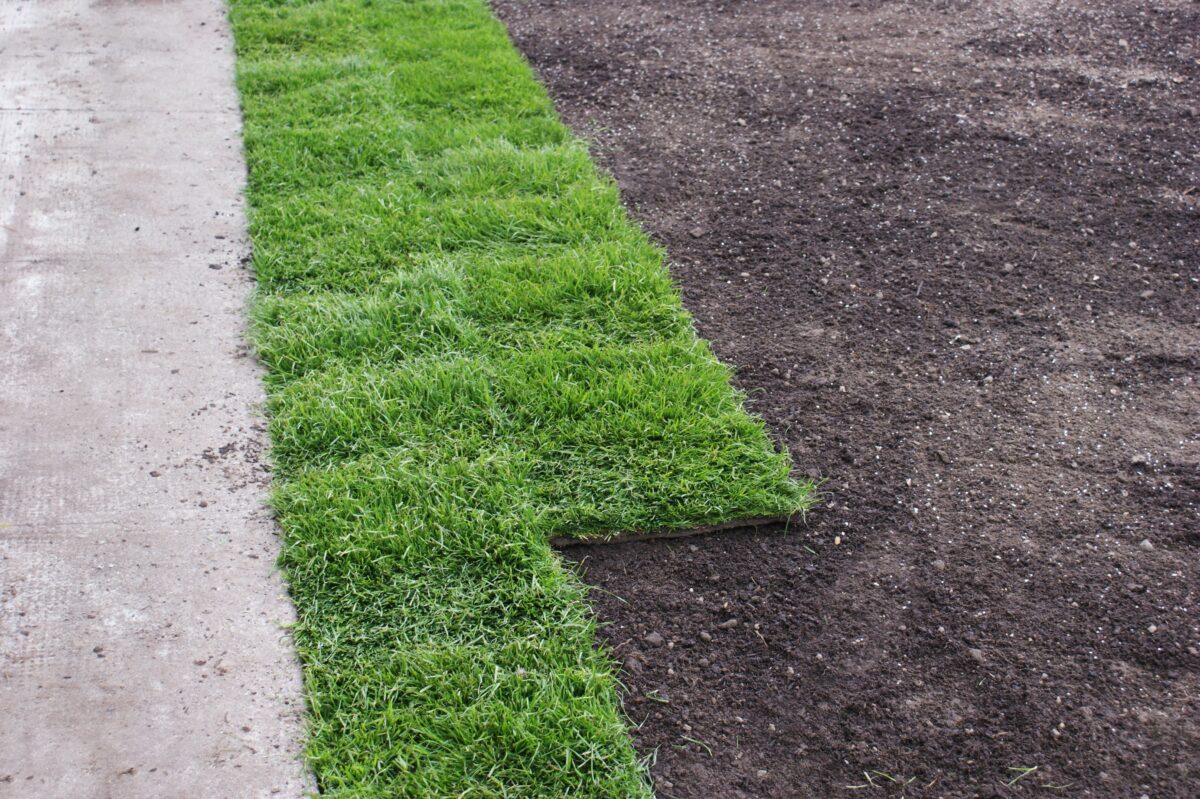
One of the most common questions homeowners in New Jersey ask when laying fresh sod is: how long will it take to root? The answer depends on a few key factors, including weather, soil prep, grass type, and maintenance—but generally, sod begins to root within 10 to 14 days and fully establishes in about 6 to 8 weeks.
There are two stages of rooting: shallow rooting and deep rooting. Shallow roots begin forming within the first week as the sod adjusts to its new environment. You’ll notice resistance when you gently tug on the edges of the sod. This is a sign that the grass is starting to bond with the soil.
Deep rooting, however, is what gives your lawn long-term strength and drought resistance. It typically takes 4–6 weeks for the roots to grow deeper into the soil and provide full stability. During this phase, it’s crucial to avoid foot traffic, mowing too soon, or skipping waterings.
What Speeds Up Root Growth?
- Proper Soil Preparation – Before laying sod, till the top few inches of soil, level the ground, and amend with compost if needed. Loosened soil encourages faster root penetration.
- Consistent Watering – Water sod immediately after installation. For the first 10–14 days, keep the sod moist with daily watering. Gradually reduce frequency and increase depth as roots develop.
- Ideal Timing – Spring and early fall offer the best conditions in NJ. Warm soil and mild temperatures reduce transplant shock.
- Avoiding Fertilizer Too Early – Don’t fertilize for at least 3–4 weeks after installation. Applying fertilizer too soon can damage new roots.
What Slows Rooting Down?
- Heavy foot traffic or mowing before 2–3 weeks.
- Laying sod on compacted or dry soil.
- Drought, extreme heat, or heavy rain.
- Poor contact between sod and soil due to air pockets.
Test for rooting by gently pulling up a corner of the sod. If it resists lifting, roots are forming. At 6 weeks, you can resume normal mowing and begin a regular care schedule. With the right care, your New Jersey sod lawn will thrive from the roots up.