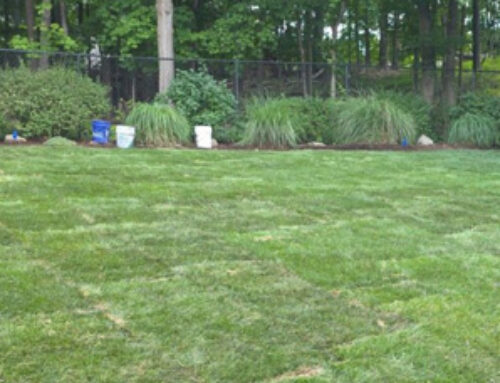
Many New Jersey homeowners assume that once fall arrives, it’s too late to work on their lawns. In reality, the cool temperatures and consistent rainfall make this one of the best times of year for fall sod installation in NJ. With the right preparation, fall sodding in New Jersey gives your lawn a strong head start before winter, so it looks greener and thicker when spring arrives.
New Jersey Sod Company is a sod supplier and installer providing residential and commercial sod delivery, installation, and restoration services across the state. From North Jersey suburbs to the coastal areas of South Jersey, we’ve helped hundreds of homeowners install fall sod successfully, even late in the season, to build healthier, more resilient lawns.
Why Fall Is the Best Time for Sod Installation
During summer, New Jersey lawns endure high heat, heavy foot traffic, and long dry spells. Those conditions can leave the soil compacted and the grass weak. Fall brings relief with cooler air and warm soil that helps sod establish roots quickly. Moisture stays in the ground longer, and mild temperatures reduce stress on the grass as it adjusts to new soil.
Installing sod in autumn also gives roots time to develop deeply before dormancy sets in. By spring, the grass is already strong and stable, ready to green up faster than lawns installed in late spring. Homeowners who schedule sod installation in New Jersey in the fall often see healthier growth and fewer bare patches compared to summer installations.
When Should You Lay Sod in New Jersey During the Fall?
Timing plays a big role in success. Across most of New Jersey, the optimal window for installing sod before winter typically runs from late September to early November. The soil still holds warmth from summer, which promotes quick rooting, while the cooler air and consistent rainfall make maintenance easier.
In North Jersey, where temperatures drop sooner, it’s best to complete installation by mid-October. In coastal or southern regions, the window can extend a bit longer due to milder weather. Acting early helps ensure your sod has enough time to establish before the first frost.
Preparing Your Lawn for Sodding
Proper preparation sets the foundation for long-lasting results. The soil must be graded, cleared of debris, and free from compaction before new sod goes down. Our residential sod services in New Jersey include complete site preparation, ensuring that every part of your property supports deep, healthy root growth.
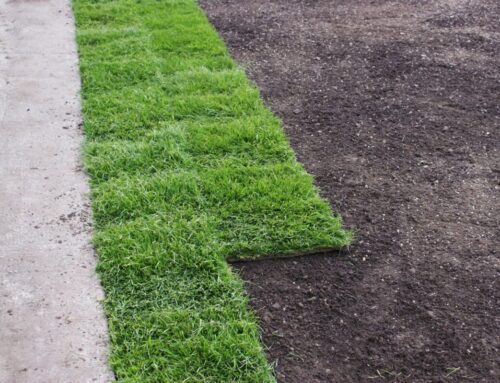
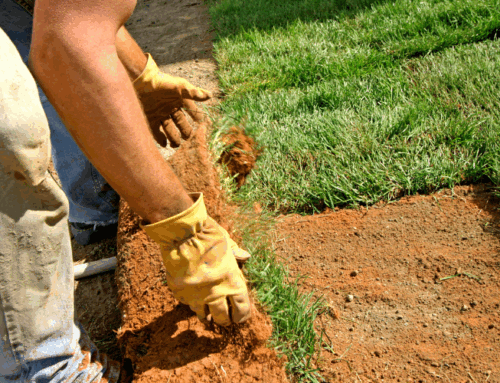
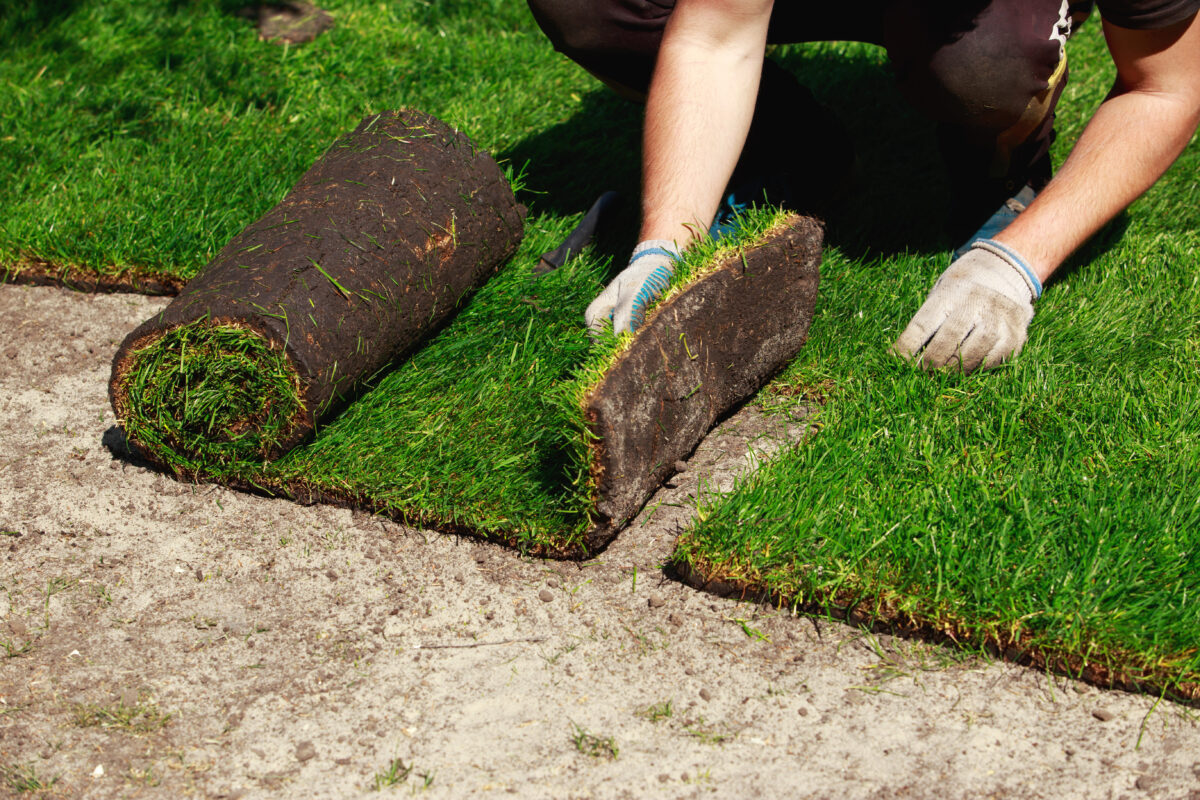
We start by removing existing grass and leveling the surface. When needed, a fresh layer of topsoil is added to improve drainage and nutrient balance. Once the ground is ready, we install locally grown sod suited for New Jersey’s soil and weather conditions. The combination of proper preparation and regional turf gives homeowners a stronger, longer-lasting lawn.
The Benefits of Sodding in the Fall
Scheduling fall sod installation in New Jersey comes with several key benefits. Weed growth naturally slows during cooler weather, so your new sod won’t have to compete for nutrients. Regular rainfall also reduces the need for constant watering, making care easier during the establishment phase.
Because fall conditions are mild and predictable, sod takes root more quickly and evenly. Our sod delivery and installation service in New Jersey ensures that fresh, locally harvested sod is delivered and installed promptly, maintaining optimal health from farm to lawn. The result is a durable, attractive lawn that’s ready for use as soon as spring begins.
Choosing the Right Grass for Fall Installation
Different grass varieties perform better under certain conditions, and fall is the ideal time to select the right one for your yard. Some options handle shade or moisture better, while others thrive in full sun or high-traffic areas. Choosing the right type ensures consistent color, thickness, and easy maintenance all year long.
Our guide on choosing the right grass for your New Jersey lawn helps homeowners match their property’s soil, sunlight, and usage with the best sod options available. For updated seasonal options, you can also check New Jersey sod availability to plan your project around current stock.
Caring for Your Lawn After Installation
Once sod is installed, the first two weeks are crucial for the development of its roots. Consistent watering is essential to keep the soil moist without becoming soggy. Most homeowners water once or twice a day during the first week, then reduce frequency as the roots take hold.
Avoid mowing until the sod has firmly attached to the soil, usually after two to three weeks. When mowing for the first time, keep the blade high to prevent stress. Simple habits like these, combined with fall’s ideal growing conditions, help your new lawn establish successfully before winter sets in.
Start Fall Sodding in New Jersey with a Local Team You Can Trust
Fall is the perfect time to transform your lawn with new sod. Cooler temperatures, steady rainfall, and locally grown grass varieties make this season an ideal time for achieving strong, lasting results. With fall sodding in New Jersey, your lawn will already be thriving by the time spring arrives.
At New Jersey Sod Co., we handle every step, from soil preparation to delivery and installation, using sod grown for New Jersey’s diverse climate. Our process ensures healthy, even coverage and dependable rooting across all soil types.
Schedule your sod delivery and installation in New Jersey this fall and take advantage of the best season for lawn growth. A well-prepared lawn today means a green, beautiful yard when spring returns.