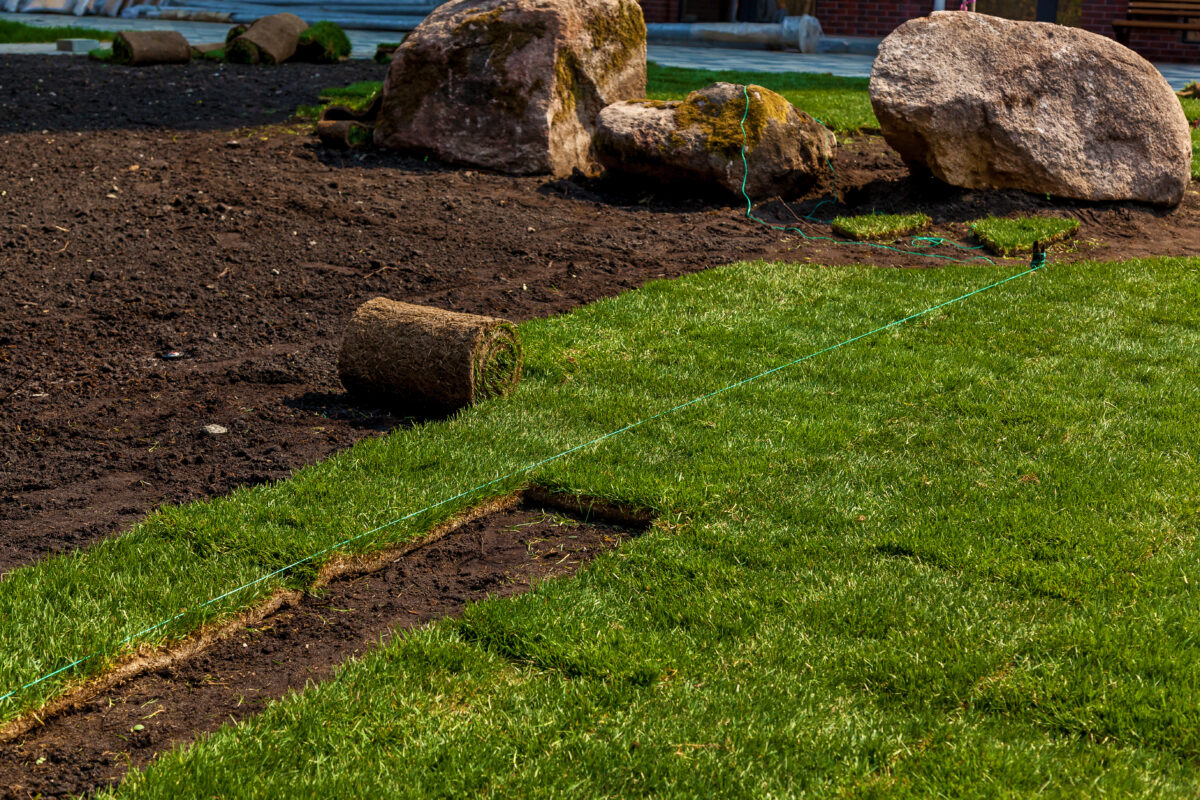
Yes—removing old grass is a crucial first step before installing new sod. Skipping this process can lead to poor root contact, uneven growth, and a lawn that fails to thrive. Here’s why starting with a clean slate makes all the difference.
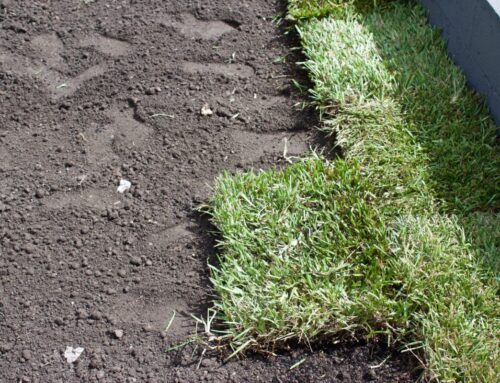
Old grass, weeds, and their root systems compete with new sod for water and nutrients. If you lay sod over existing turf, the new roots struggle to penetrate, and air pockets between the layers can cause drying and root death. Over time, the lawn may appear patchy and develop disease problems.
Best Practices for Removing Grass in NJ
- Use a Sod Cutter: This tool slices below the root zone for fast removal. Rent one from a local equipment shop.
- Kill Grass First: Apply a non-toxic herbicide 7–10 days prior to cutting to ensure all roots are dead.
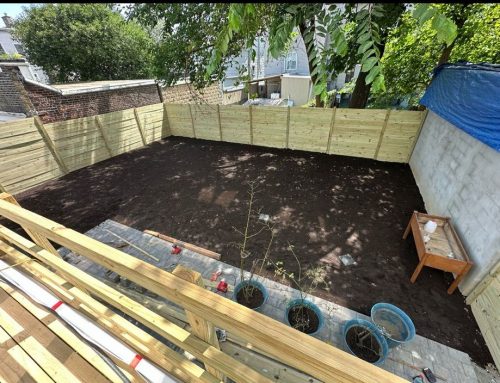
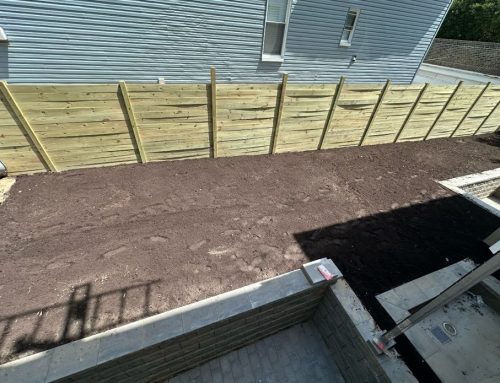
- Till and Level: After removal, till the topsoil 2–3 inches and level the surface for water runoff.
- Add Topsoil or Compost: New Jersey soil varies, so enriching the soil with organic matter ensures better root development.
Alternatives to Grass Removal
In limited cases, if the existing lawn is thin and weed-free, you might lay sod over it after scalping and aerating. But this is rarely recommended—it’s a short-term fix that often leads to long-term problems.
Bottom line: For the best results, always remove the old lawn before laying sod. It may take more time upfront, but it guarantees better root establishment, appearance, and longevity for your new New Jersey lawn.